Amole Gupte
Amole Gupte is an Indian actor, best known for Tamil cinema. Amole Gupte began their career in 1984 and has been a prominent figure in the industry for over 42 years. With 30 credits to their name, Amole Gupte remains one of the most prolific and celebrated talents in the industry. Spanning 40+ years, Amole Gupte's career remains one of the longest and most celebrated in Tamil cinema.
- Born
- Age
- 64
Biography
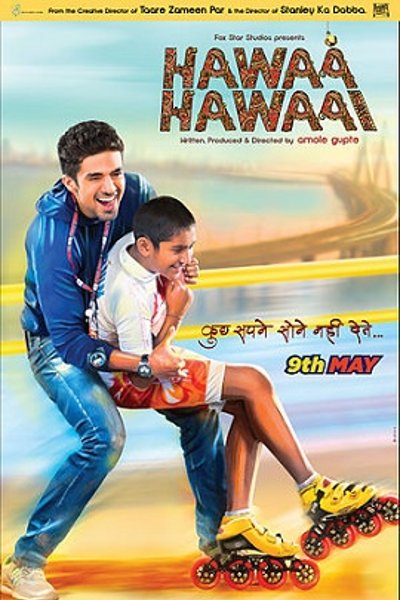
Amole Gupte is a Mumbai-born Hindi cinema actor, director, and screenwriter, best known for his work across all three disciplines spanning four decades. As an actor, he won the IIFA Award for Best Villain for his portrayal of Bhope, a ruthless Marathi gangster, in Vishal Bhardwaj's Kaminey (2009), and has appeared in films like Phas Gaye Re Obama (2010), Bheja Fry 2 (2011), and Mumbai Saga (2021). As a writer-director, he received multiple Filmfare and Star Screen Awards for the screenplay of Taare Zameen Par (2007) and went on to direct Stanley Ka Dabba (2011) and Hawaa Hawaai (2014), both centred on children's stories. He served as chairperson of the Children's Film Society of India from 2012 to 2015, cementing his reputation as a champion of child-focused cinema.
Career Milestones
Film acting debut
View film →Wrote screenplay for Taare Zameen Par, earning National Film Award for Best Screenplay
Breakthrough villain role as Bhope Bhau, a ruthless Marathi gangster
View film →Directed and acted in Stanley Ka Dabba, which won National Film Award for Best Children's Film
Appointed Chairperson of Children's Film Society of India
Iconic Roles
Kaminey
A menacing Mumbai political gangster and criminal kingpin who uses his power to control local elections and enforce his son-in-law's marriage alliance. Considered one of the most memorable Bollywood villains, earning Gupte multiple award nominations for Best Actor in a Negative Role and Best Supporting Actor.
Phas Gaye Re Obama
A corrupt Minister of Animal Husbandry who runs an organised kidnapping racket. The character was inspired by real-life politicians and is depicted as greedy, power-hungry, and darkly comic.
Singham Returns
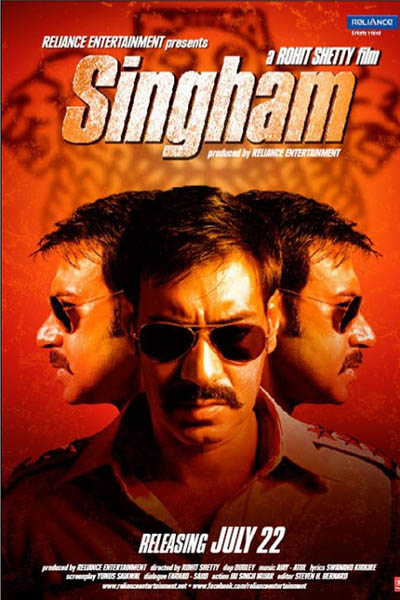
A powerful and fraudulent religious leader with high-profile connections to corrupt politicians. The film's primary antagonist, entangled in black money schemes and political corruption.
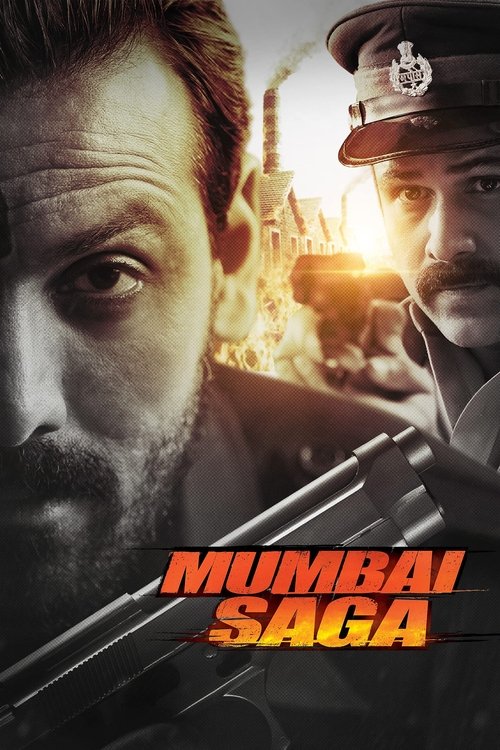
Mumbai Saga
A local gangster who runs a protection racket and extorts bribes from residents and vendors. Inspired by real underworld figures from 1980s-90s Mumbai. His criminal power diminishes as the protagonist rises.
Defining Moments
Bhope Bhau's confrontation scenes as the menacing yet layered antagonist — particularly his iconic dialogue 'Hum log ki race mein ghoda bhaagta hi nahi hai… girata hai' and his portrayal of a Mumbai street don who is simultaneously Priyanka Chopra's protective elder brother and a terrifying villain
Widely considered his career-defining performance. His intense, unpredictable portrayal of Bhope Bhau earned him a Stardust Award nomination for Best Actor in a Negative Role and established him as a formidable character actor in mainstream Bollywood. Frequently cited in discussions of great Bollywood villain performances.
View film →Playing Dhananjay Singh, a wily UP gangster-politician whose mannerisms were drawn from real political figures like D.P. Yadav — a comic yet menacing turn in an ensemble of top character actors
Demonstrated his range beyond pure villainy — critics highlighted his ability to find dark comedy within a crime-thriller ensemble, cementing his reputation as one of Bollywood's most versatile character actors.
View film →Portrayal of Swami Ji/Babaji — a corrupt godman who is the central antagonist driving the film's conflict against Singham
A high-profile mainstream blockbuster role that gave him national visibility as an antagonist opposite Ajay Devgn, showcasing his ability to hold his own against commercial franchise stars.
View film →Veerubhai Abhayankar's scenes as the calculated crime lord navigating Mumbai's underworld power shifts in the 1980s–90s setting
A later-career role in a John Abraham-led gangster epic that reaffirmed his standing as a go-to character actor for morally complex, powerful antagonists in period crime dramas.
View film →Amole Gupte by the Numbers
If you watched every Amole Gupte film back-to-back, you'd be at it for roughly 1 day and 6h. Most-paired with Mahesh Manjrekar — 3 films together.
Filmography
See all 30 credits →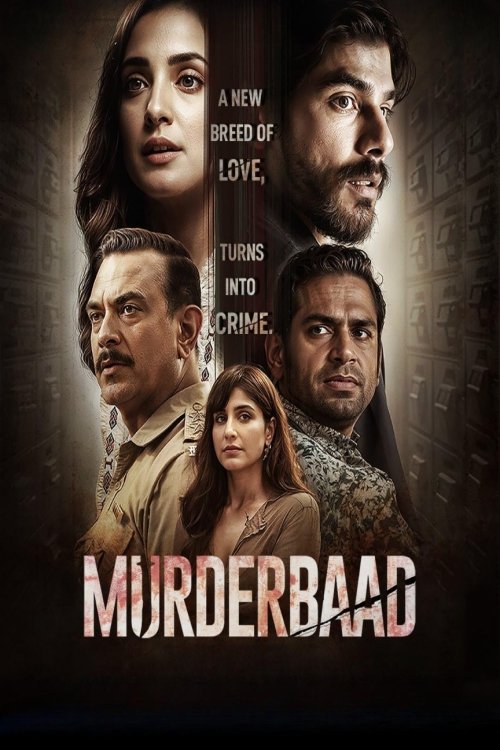

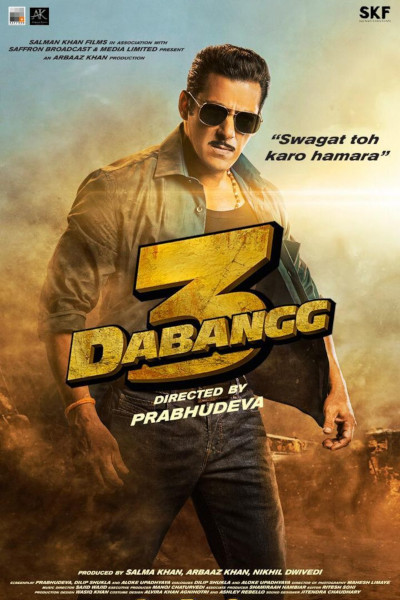

Collaboration Network
The Constellation
Top 8 most-paired collaborators. Bubble size and line thickness reflect how many films they share with Amole Gupte.
Career Analytics
Genre Breakdown
Language Distribution
Films by Decade
Top Co-Actors
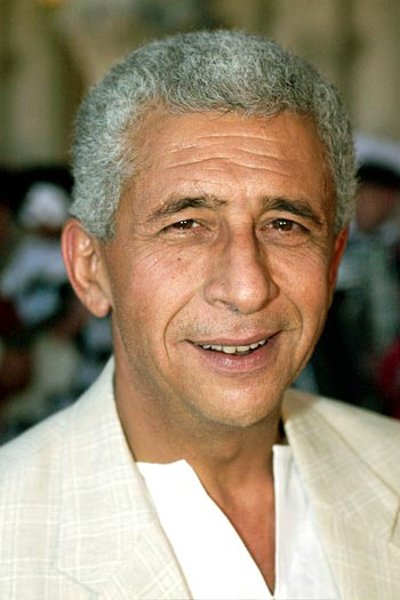
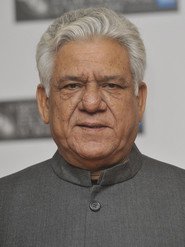
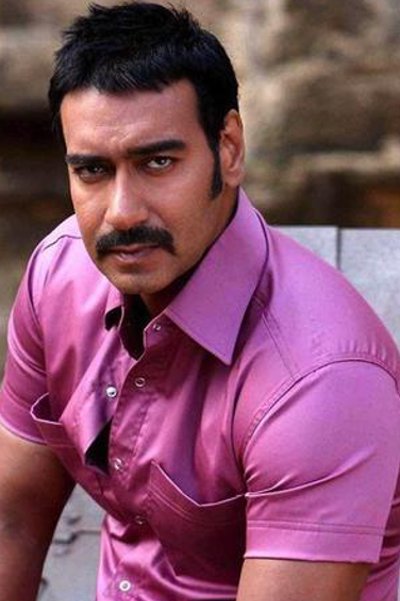
See all →Amole Gupte has worked most frequently with Ketan Mehta (2 films), Mahesh Manjrekar (3 films), Priyanka Chopra (2 films), Naseeruddin Shah (2 films), and Om Puri (2 films).





Did You Know?
Amole Gupte is a multifaceted Indian film personality known as a writer, director, actor, and child-rights activist.
He is the chairperson of the Children's Film Society, India.
He wrote the screenplay and dialogues for the acclaimed film 'Taare Zameen Par' (2007).
He made his directorial debut with the children's film 'Stanley Ka Dabba' (2011), which also featured his son, Partho Gupte.
He is known for his strong advocacy against child labor and for children's education through his cinematic work.
Signature Dialogues
Hum log ki race mein ghoda bhaagta hi nahi hai... girata hai
Bhope Bhau·Kaminey
You bloody migrants are chewing the city hollow like termites. The city is bursting at its seams and you people swarm like flies to rob our share of the pie.
Bhope Bhau·Kaminey
Listen, I understand your love for each other - I got a vibe in the train - but if my sister marries a migrant, I'll be crucified. My grave will be dug. Not only will I lose my reputation, but my election fund as well. The builder is paying me to get his son and Sweety married. Five crores! Can you imagine how much that is?
Bhope Bhau·Kaminey
We barged in unannounced. We waited outside for awhile but we were hungry, so we came in hoping to find something to eat. Nothing beats fresh burgers on a rainy day.
Bhope Bhau·Kaminey
Our way of dealing with laggards is a little different. We don't try to make them run. We just blow them off.
Bhope Bhau·Kaminey
Legacy & Influence
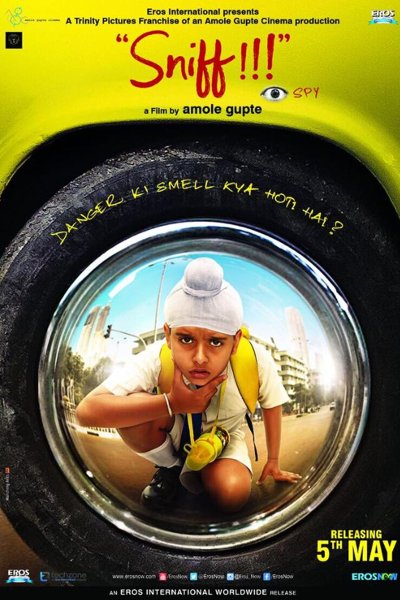
Amole Gupte is a multifaceted and influential figure in Indian cinema, whose contributions extend far beyond his on-screen appearances. His primary and most profound impact lies in his work as a writer, director, and champion of children's cinema. Gupte's career trajectory is defined by a deep commitment to authentic storytelling, particularly narratives centered on the world of children, which he approaches with rare sensitivity and without condescension. He first gained major recognition as the writer and creative director of the seminal film 'Taare Zameen Par' (2007), a project he originally conceived and developed. His work on the film, which poignantly explores dyslexia and the Indian education system, showcased his ability to handle complex themes with empathy and insight, leaving a lasting cultural impact. Although he did not direct the final film, his foundational vision was instrumental. He later made his directorial debut with 'Stanley Ka Dabba' (2011), a critically acclaimed film he also wrote, which further cemented his reputation for crafting genuine, heartwarming stories about childhood. His directorial work continued with films like 'Hawa Hawai' (2014) and 'Sniff' (2017), often focusing on young protagonists. As an actor, Gupte is known for his compelling character roles, most notably as the menacing politician Bhope Bhau in 'Kaminey' (2009), demonstrating significant range. Beyond filmmaking, his contribution includes his long-standing involvement with the Children's Film Society, India, where he has actively worked to create and promote meaningful cinema for young audiences. His holistic approach—encompassing writing, directing, acting, and advocacy—has established him as a unique and vital voice in Indian cinema, dedicated to expanding its thematic boundaries and nurturing new generations of both storytellers and viewers.