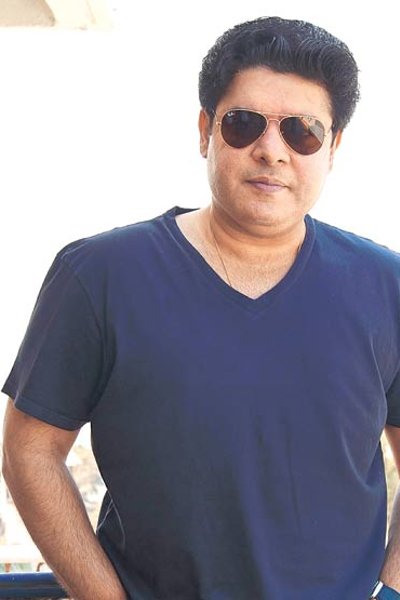
Sajid Khan
Sajid Khan is an Indian director, best known for Tamil cinema. Sajid Khan began their career in 1998 and has been a prominent figure in the industry for over 28 years. With 30 credits to their name, Sajid Khan remains one of the most prolific and celebrated talents in the industry. Spanning 20+ years, Sajid Khan's career remains one of the longest and most celebrated in Tamil cinema.
- Born
- Age
- 55
Biography
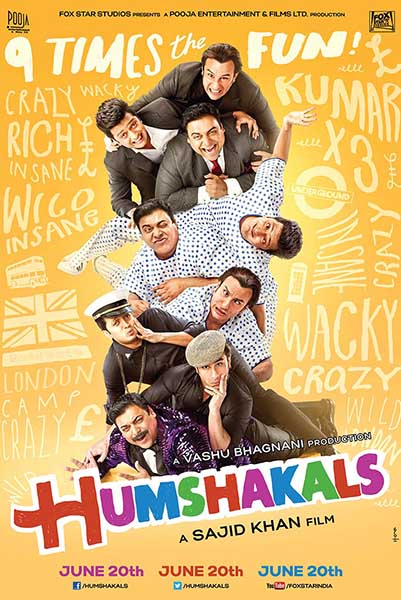
Sajid Khan is a Hindi film director, television presenter, and comedian, primarily known for directing loud slapstick comedies in Bollywood. His most commercially successful films include Heyy Babyy (2007), Housefull (2010), and Housefull 2 (2012), the latter two becoming major box-office hits despite mixed critical reception. His directorial style is characterized by broad physical comedy, ensemble casts, and formulaic plots, though his later films Himmatwala (2013) and Humshakals (2014) were widely panned as among the worst Hindi films of their era. He is the brother of choreographer-director Farah Khan, and his career was significantly disrupted in 2018 when multiple sexual harassment allegations emerged against him during India's MeToo movement, leading to a ban by the Indian Film and Television Directors' Association.
Career Milestones
Directorial debut with anthology horror segment
View film →First solo directorial feature film and Screen Awards nomination for Best Debut Director
View film →Directed blockbuster comedy that became a major box office hit
View film →Won Zee Cine Award (Power Club - Box Office Award) for directing sequel
View film →Directed Housefull 4, returning to the franchise after controversy
View film →Defining Moments
Three bachelors fumbling with diaper changes and baby care — a series of escalating slapstick set pieces where Akshay Kumar, Riteish Deshmukh, and Fardeen Khan are hilariously overwhelmed by a baby girl left on their doorstep
Sajid Khan's directorial debut established his signature style — broad ensemble slapstick built around a high-concept premise. The baby-care sequences became the film's most talked-about moments and proved the formula commercially, grossing ₹500 million and launching his career as a mainstream comedy director.
View film →Climactic laughing gas scene at Buckingham Palace where a cylinder of laughing gas is accidentally released at a state function, causing an entire crowd — and even the Queen — to burst into uncontrollable laughter
This over-the-top set piece became emblematic of Sajid Khan's maximalist comedy approach — absurdist escalation taken to its logical extreme. Critics and audiences widely cited it as the film's most audacious moment, defining his brand of unapologetic, logic-free Bollywood farce.
View film →Chunkey Pandey's extended comic track in Italy — a recurring subplot featuring pratfalls, mistaken identity, and physical comedy that became a fan-favourite running gag
Sajid Khan's deliberate revival of Chunkey Pandey as a comedic ensemble player was widely noted as a nostalgic crowd-pleaser. The Italy sequences demonstrated his ability to build recurring joke structures across a film's runtime.
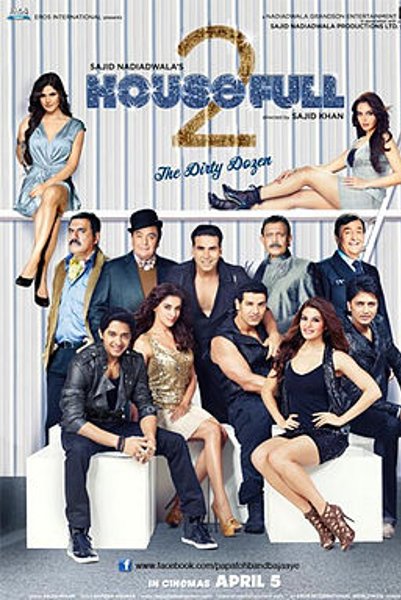
View film →The chaotic identity-swap climax in Housefull 2 where multiple couples, mistaken identities, and slapstick confrontations collide simultaneously in a single location, resolving all plot threads in maximum comedic confusion
Housefull 2 became the highest-grossing film of Sajid Khan's career at that time. The climax — juggling the largest ensemble of the series — was cited as a defining example of his ability to orchestrate large-scale Bollywood comedy chaos, cementing the franchise's commercial dominance.
View film →The 'Deva Oh Deva' remake and its accompanying comedy sequences — Sajid Khan's reimagining of the 1983 original Himmatwala drew intense public debate as a high-profile directorial misfire, with his choices becoming a reference point for Bollywood excess
Though a critical and commercial disaster, Himmatwala became a defining moment in Sajid Khan's career for the opposite reason — it marked the beginning of a sharp reversal of his reputation. Widely discussed in cinema communities as a case study in franchise overconfidence, it is frequently cited when analysing his trajectory.
Sajid Khan by the Numbers
If you watched every Sajid Khan film back-to-back, you'd be at it for roughly 21 hours. Most-paired with Riteish Deshmukh — 7 films together.
Filmography
See all 30 credits →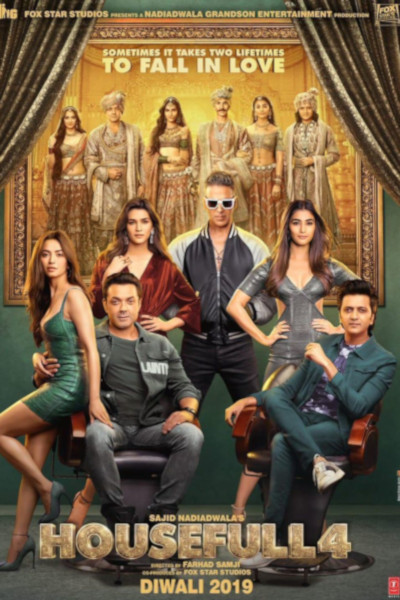
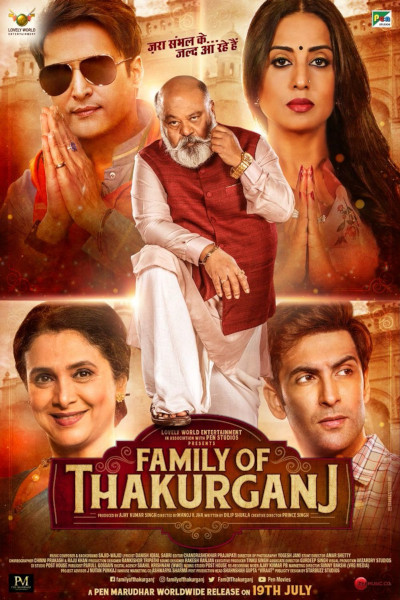


Collaboration Network
The Constellation
Top 10 most-paired collaborators. Bubble size and line thickness reflect how many films they share with Sajid Khan.
Career Analytics
Genre Breakdown
Language Distribution
Films by Decade
Top Co-Actors
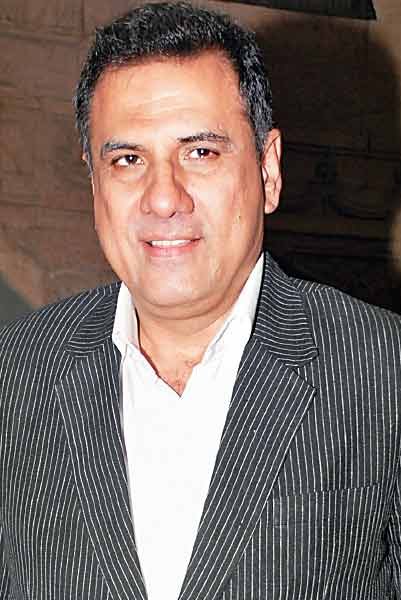
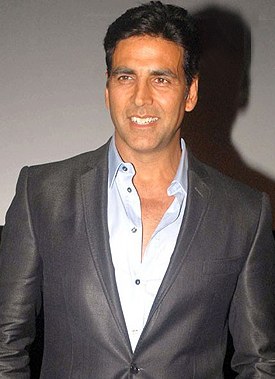
See all →Sajid Khan has worked most frequently with Riteish Deshmukh (7 films), Boman Irani (4 films), Akshay Kumar (4 films), Jacqueline Fernandez (3 films), and Tamannaah Bhatia (2 films).






Did You Know?
Sajid Khan began his career as a television host with the popular comedy show 'Ikke Pe Ikka' in the 1990s.
He is the brother of actress and director Farah Khan.
He hosted the celebrity chat show 'Sajid Superstars' on Sony TV.
He was a judge on the reality show 'India's Got Talent' for several seasons.
He directed the 2007 film 'Heyy Babyy', which was a commercial success.
Legacy & Influence
Sajid Khan's career in Indian cinema is a notable study in contrasts, marked by significant commercial success followed by critical and public backlash. He first gained prominence as a television host and presenter in the 1990s and early 2000s, known for his flamboyant and comedic persona on shows like 'Ikke Pe Ikka' and 'Kehne Mein Kya Harz Hai'. This popularity facilitated his transition to film direction. His directorial debut, 'Heyy Babyy' (2007), was a commercial hit, adapting the Hollywood film 'Three Men and a Baby' into a Bollywood masala format. He followed this with 'Housefull' (2010), which spawned a successful franchise, establishing him as a director of big-budget, ensemble-cast comedies reliant on slapstick, star power, and predictable tropes. These films found an audience seeking undemanding entertainment, contributing to a specific brand of mainstream, high-grossing comedy in the late 2000s and early 2010s. However, his career trajectory took a sharp downturn. Films like 'Humshakals' (2014) were critically panned for their perceived regressive humor, lack of originality, and stereotyping. The commercial failure of 'Humshakals' and the subsequent 'Housefull 3' (2016), which he wrote, severely damaged his reputation. His legacy is inextricably linked to the broader industry reckoning that followed. In 2018, during the #MeToo movement in India, multiple women accused Sajid Khan of sexual harassment. He temporarily stepped down from directing 'Housefull 4', and his work was largely boycotted by audiences and the industry. This effectively halted his directorial career. His contribution, therefore, is dual-faceted: he demonstrated an understanding of a certain vein of mass-market comedy that yielded box office returns, but his filmography is now critically reassessed as emblematic of a period of low creative risk and problematic content. His fall from grace also stands as a significant chapter in the industry's confrontation with allegations of misconduct, making his professional story a cautionary tale about the shifting dynamics of audience tolerance and ethical accountability in modern Indian cinema.