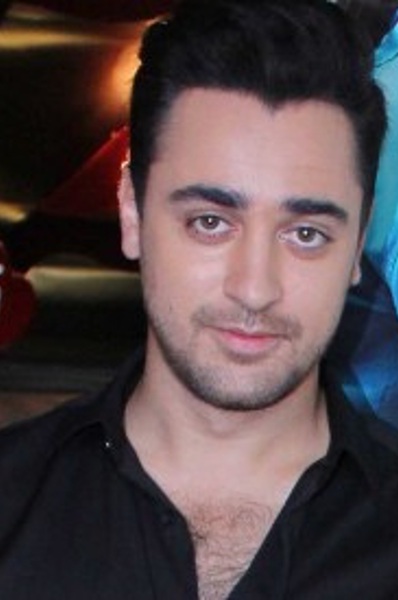
Imran Khan
Imran Khan is an Indian actor, best known for Tamil cinema. Imran Khan began their career in 1992 and has been a prominent figure in the industry for over 34 years. With 30 credits to their name, Imran Khan remains one of the most prolific and celebrated talents in the industry. Spanning 30+ years, Imran Khan's career remains one of the longest and most celebrated in Tamil cinema.
- Born
- Age
- 43
Biography
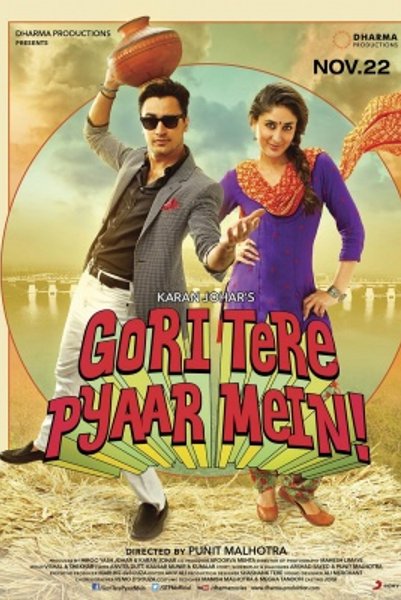
Imran Khan is a Hindi cinema actor, born on January 13, 1983, in Madison, Wisconsin, and is the grandson of filmmaker Nasir Hussain and cousin of Aamir Khan, known primarily for his romantic leads in Bollywood. He debuted with Jaane Tu... Ya Jaane Na (2008) and rose to prominence with I Hate Luv Storys (2010), earning ₹725 million globally, followed by Delhi Belly (2011) and Ek Main Aur Ekk Tu (2012) opposite Kareena Kapoor, directed by Shakun Batra. His roles consistently featured urbane, conflicted young men — the commitment-phobic Jay in I Hate Luv Storys, the strait-laced architect Rahul in Ek Main Aur Ekk Tu — typifying a new-age romantic hero persona distinct from conventional Bollywood masculinity. After stepping away from acting around 2015, he returned with Happy Patel: Khatarnak Jasoos in 2026.
Career Milestones
Child artist appearance in Jo Jeeta Wohi Sikandar as Young Sanju
View film →Adult acting debut as lead actor in Jaane Tu... Ya Jaane Na, a major commercial and critical success
Won Filmfare Award for Best Male Debut
Starred in Delhi Belly, a bold English-language comedy that became a cult hit
View film →Ranked 40th on Forbes India Celebrity 100 list based on income and popularity
Iconic Roles
Jaane Tu... Ya Jaane Na
Imran Khan's debut role as a gentle, non-violent Rajput boy navigating friendship and love with his best friend Aditi. The performance won him the Filmfare Award for Best Male Debut.
Delhi Belly
A broke, wisecracking journalist accidentally entangled with gangsters in this adult dark comedy. The role showcased Imran's range with edgy, irreverent humor far removed from his romantic image.
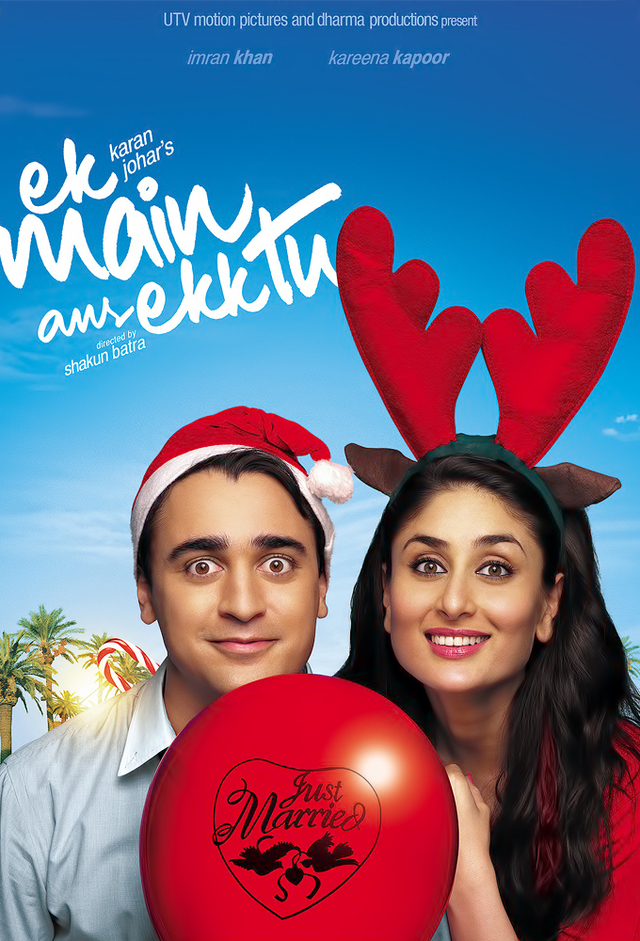
Ek Main Aur Ekk Tu
An uptight, by-the-book architect in Las Vegas who accidentally marries a free-spirited hairstylist. The role highlighted his chemistry-driven, understated romantic comedy style.
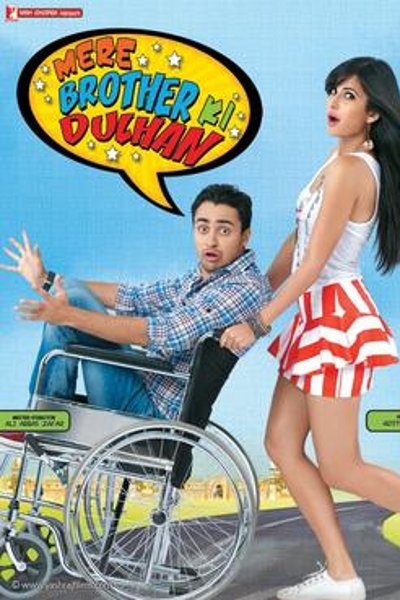
Mere Brother Ki Dulhan
A charming young man assigned to find a bride for his brother who ends up falling for the candidate himself — a crowd-pleasing, energetic performance in a mainstream family entertainer.
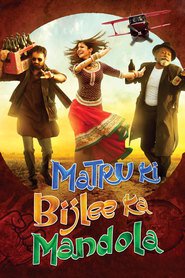
Matru Ki Bijlee Ka Mandola
A complex, politically aware village man serving a corrupt landlord while secretly undermining him. One of Imran's most nuanced and critically discussed roles, directed by Vishal Bhardwaj.
Defining Moments
Jay's rooftop confession of love to Simran
The climactic scene where the commitment-phobic Jay finally admits his feelings cemented Imran as a credible romantic lead and helped make the film a blockbuster hit.
View film →Tashkent twist dance sequence in 'DK Bose' song
The irreverent, vulgar-yet-hilarious song became a cultural phenomenon. Imran's deadpan comedic energy in this scene broke his 'chocolate boy' image and showed his range beyond romantic leads.
View film →Kush's impersonation of the Maulana to trick the family
The extended comic disguise sequence became one of the most quoted comedy bits of that year, highlighting Imran's flair for physical comedy and comic timing.
View film →Rahul drunkenly confessing to Riana that he loves her but knows nothing will happen
Widely praised for its emotional restraint and naturalistic acting, this scene distinguished the film from typical Bollywood rom-coms and earned Imran strong critical notices.
View film →Matru's political awakening — burning the fields scene
Imran's most dramatically ambitious role; his portrayal of a conflicted villager-turned-rebel showcased his ability to handle complex, socially charged material under Vishal Bhardwaj's direction.
View film →Imran Khan by the Numbers
If you watched every Imran Khan film back-to-back, you'd be at it for roughly 1 day and 11h. Most-paired with Kareena Kapoor — 4 films together.
Filmography
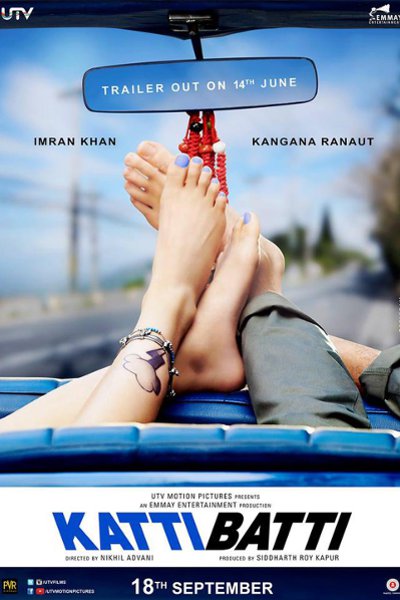
See all 30 credits →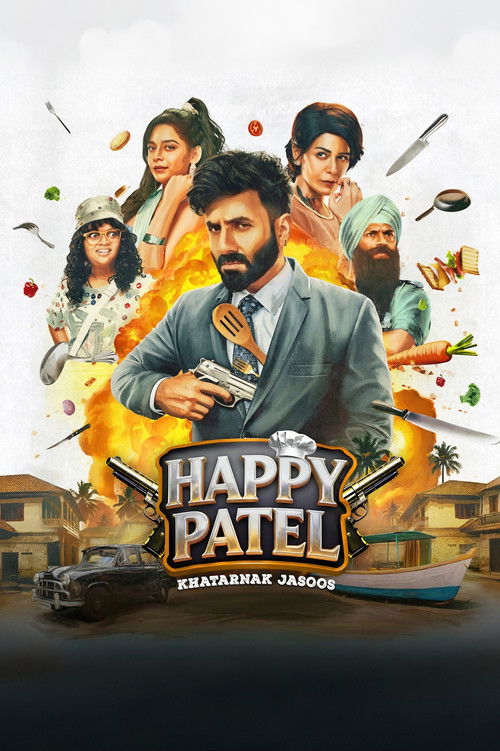
Collaboration Network
The Constellation
Top 10 most-paired collaborators. Bubble size and line thickness reflect how many films they share with Imran Khan.
Career Analytics
Genre Breakdown
Language Distribution
Films by Decade
Top Co-Actors
See all →Imran Khan has worked most frequently with Punit Malhotra (2 films), Kareena Kapoor (4 films), Genelia D'Souza (2 films), Sameer Dattani (2 films), and Priyanka Chopra (2 films).








Did You Know?
Imran Khan made his official lead acting debut in the 2008 film 'Jaane Tu... Ya Jaane Na', which was a major commercial success.
He won the Filmfare Award for Best Male Debut for his performance in 'Jaane Tu... Ya Jaane Na' (2008).
Imran Khan is the son of producer-director Mansoor Khan and the nephew of actor Aamir Khan.
He took a break from acting after 2015 and has not appeared in a major film role since.
He studied filmmaking at the University of Southern California's School of Cinematic Arts.
Legacy & Influence
Imran Khan's contribution to Indian cinema is defined by his role in heralding a brief but notable shift in the early 2010s towards a new generation of urban, relatable male leads. Emerging from a prominent film lineage, he was strategically positioned as a fresh face for a changing audience. His debut in 'Jaane Tu... Ya Jaane Na' (2008) was a massive success, establishing his persona as the charming, boy-next-door, a stark contrast to the hyper-masculine heroes of the previous decade. This film, along with others like 'I Hate Luv Storys', resonated with metropolitan youth through their contemporary settings, lighter narratives, and focus on modern relationships. His performance in the adult comedy 'Delhi Belly' (2011) marked a significant career risk, showcasing a willingness to subvert his clean-cut image and participate in a film with bold, unconventional humor. This choice was praised and indicated a potential for versatility. However, his career trajectory was short-lived. A string of subsequent films that failed to connect critically or commercially led to a rapid decline in his box-office standing. His contribution, therefore, lies not in a sustained filmography but in a specific moment of transition. He successfully embodied and popularized a more casual, accessible romantic hero for a few years, proving there was an appetite for such characters. This opened doors for other actors to explore similar spaces. His abrupt departure from acting after 2015 has cemented his legacy as a promising star of a particular era whose potential remained largely unfulfilled, yet whose early work continues to be remembered fondly for its youthful energy and contemporary appeal.