Mrigdeep Singh Lamba
Mrigdeep Singh Lamba is an Indian director, best known for Tamil cinema. Mrigdeep Singh Lamba began their career in 2011. With 30 credits to their name and an average audience rating of 6.2, Mrigdeep Singh Lamba remains one of the most prolific and celebrated talents in the industry. Mrigdeep Singh Lamba is one of the most closely watched talents of their generation, with a rapidly growing body of acclaimed work.
Biography
Mrigdeep Singh Lamba is a Hindi cinema director and screenwriter best known for creating the Fukrey franchise, one of Bollywood's most successful comedy series. His directorial debut Teen Thay Bhai (2011), produced by Rakeysh Omprakash Mehra, was followed by Fukrey (2013), produced by Farhan Akhtar and Ritesh Sidhwani under Excel Entertainment, which became a cult hit. He built the Fukrey series into a franchise spanning three films — Fukrey (2013), Fukrey Returns (2017), and Fukrey 3 (2023) — establishing himself as a specialist in ensemble comedy with recurring characters like Hunny, Choocha, and Bholi Punjaban. Before directing, he worked as an assistant director on Farhan Akhtar's Don (2006) and Subhash Ghai's Yuvvraaj (2008).
Career Milestones
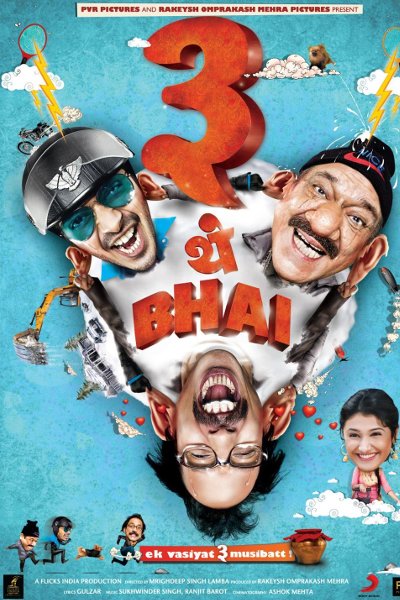
Feature film directorial debut
View film →Breakthrough as director with sleeper hit comedy; film earned ₹49 crore on ₹8 crore budget
View film →Directed sequel Fukrey Returns, continuing the franchise's box office success
View film →Directed Fukrey 3, third installment of the hit franchise
View film →Defining Moments
Choocha's dream-lottery mechanic introduced — the absurd comic conceit where Choocha (Varun Sharma) sees winning lottery numbers in dreams and Hunny decodes them, anchoring the entire franchise's premise
This became the franchise's defining creative invention — widely cited as the most original comedic premise in 2010s Bollywood comedy; Lamba's direction of the deadpan dream sequences made the absurdity feel grounded
View film →Bholi Punjaban's iconic villain introduction and her dialogue 'Maano toh mitti mein khazana hai, na maano toh khazane mein mitti' — Lamba cast a woman as the ruthless crime boss at the centre of a male-ensemble comedy
Subverted Bollywood's villain archetype; Richa Chadha's Bholi became a cultural phenomenon, frequently cited as one of Hindi cinema's best female antagonists, credited entirely to Lamba's casting and direction
View film →The chaotic climax of Fukrey — the final act where all threads converge into escalating slapstick mayhem, widely reviewed as 'pure chaos that clicks'; the sequence where the gang outsmarts Bholi using Choocha's dreams
Fukrey earned ₹53 crore on an ₹8 crore budget and became a cult classic through TV reruns; the climax is what reviewers cite most for elevating the film from a hit to a beloved classic
View film →Pankaj Tripathi's Panditji scenes — particularly his English-blunder one-liners and exchanges with Choocha that reportedly drew spontaneous applause in theatres
Lamba introduced Tripathi into the franchise and directed these exchanges so precisely that they became highlight reels on social media, cementing Fukrey Returns as a worthy sequel
View film →The mouth-to-mouth resuscitation scene with Choocha and the diver — widely cited by critics and audiences as one of the funniest single scenes in the sequel
Demonstrates Lamba's signature style of physical comedy with character-specific logic; the scene works because of how well Lamba established Choocha's personality across both films
View film →Mrigdeep Singh Lamba by the Numbers
If you watched every Mrigdeep Singh Lamba film back-to-back, you'd be at it for roughly 7 hours. Most-paired with Priya Anand — 2 films together.
Filmography
See all 30 credits →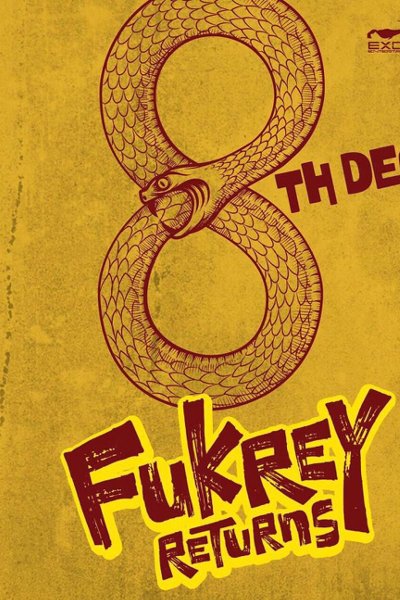
Collaboration Network
The Constellation
Top 4 most-paired collaborators. Bubble size and line thickness reflect how many films they share with Mrigdeep Singh Lamba.
Career Analytics
Genre Breakdown
Language Distribution
Films by Decade
Top Co-Actors
See all →Mrigdeep Singh Lamba has worked most frequently with Priya Anand (2 films), Vishakha Singh (2 films), Richa Chadda (2 films), and Varun Sharma (2 films).




Legacy & Influence
Mrigdeep Singh Lamba, widely recognized by his professional name Mrig, is a prominent Indian film director and screenwriter who has carved a distinct niche in contemporary Hindi cinema, particularly through his work in crafting successful, youth-oriented comedy franchises. His career trajectory is defined by a sharp understanding of millennial and Gen-Z sensibilities, translating them into commercially successful and culturally resonant films. Lamba's most significant contribution is arguably the creation and stewardship of the 'Fukrey' film series, beginning with 'Fukrey' (2013). The film was a sleeper hit, praised for its fresh, relatable portrayal of Delhi's youth culture, its ensemble cast of then-lesser-known actors, and its humor rooted in character quirks rather than slapstick. He solidified this success with the even more popular sequel, 'Fukrey Returns' (2017), which expanded the franchise's fanbase. His direction is noted for extracting authentic, hilarious performances from his casts and maintaining a consistent, chaotic energy that mirrors the aspirations and misadventures of his characters. Beyond 'Fukrey', Lamba directed 'Mujhse Fraaandship Karoge' (2011), an early film that tapped into the then-nascent world of social media romance, showcasing his ability to identify and narrativize emerging youth trends. His filmmaking style often blends local dialect, specific subcultural references (especially from Delhi), and heartwarming narratives about friendship and ambition, making his work a touchstone for a large segment of young Indian audiences. While not necessarily an awards-magnet, his influence lies in proving the box-office viability and cultural importance of mid-budget, concept-driven comedies centered on everyday young people. He has contributed to the careers of several actors and demonstrated that franchise filmmaking in India can succeed outside the traditional realms of action or drama, based purely on strong character writing and audience connection.