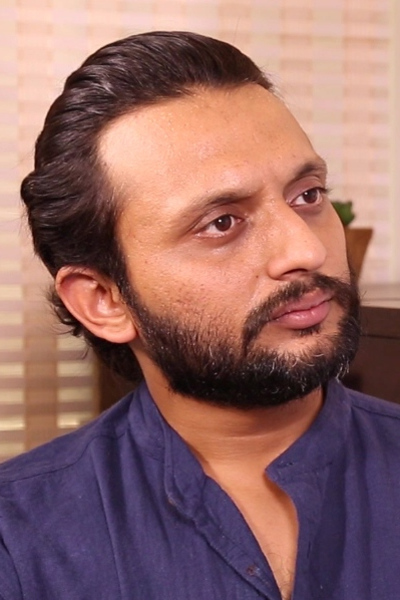
Mohammed Zeeshan Ayyub
Mohammed Zeeshan Ayyub is an Indian actor, best known for Tamil cinema. Mohammed Zeeshan Ayyub began their career in 2011 and has been a prominent figure in the industry for over 15 years. With 30 credits to their name and an average audience rating of 6.5, Mohammed Zeeshan Ayyub remains one of the most prolific and celebrated talents in the industry. Spanning 10+ years, Mohammed Zeeshan Ayyub's career remains one of the longest and most celebrated in Tamil cinema.
- Born
- Age
- 42
Biography
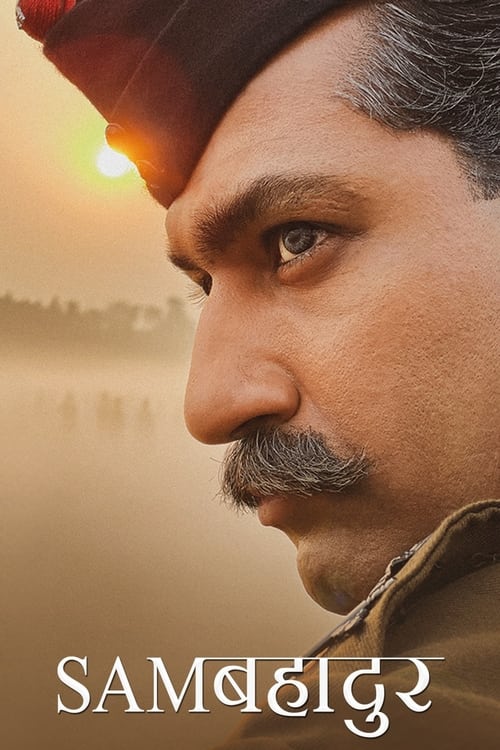
Mohammed Zeeshan Ayyub is a Hindi cinema actor trained at the National School of Drama, Delhi, known for playing morally complex supporting roles across a wide range of Hindi films. He debuted with a negative role in No One Killed Jessica (2011), earning a Filmfare Award for Best Male Debut nomination, and went on to appear in critically noted films including Shahid (2013), Article 15 (2019), Jogi (2022), and Sam Bahadur (2023). His range spans antagonists to idealistic characters — he played the real-life activist Samar in Shahid and appeared alongside Ayushmann Khurrana in Article 15 as a key supporting figure confronting caste-based violence. His recent work includes Kaalidhar Laapata (2025), reflecting a continued presence in socially engaged Hindi cinema.
Career Milestones
Film debut in No One Killed Jessica, playing the lead antagonist (Jessica's murderer)
Filmfare Award nomination for Best Male Debut
Breakthrough supporting role as Murari, earning multiple award nominations
Supporting role in National Award-winning film as Arif Azmi
View film →Portrayed Pakistani general Yahya Khan in biographical war drama
View film →Iconic Roles
Raanjhanaa
Kundan's loyal and witty best friend in Banaras; a comic yet emotionally grounded sidekick who delivers sharp philosophical observations about unrequited love
Tanu Weds Manu Returns
A sharp-tongued lawyer from Rampur whose flamboyant Rampuria style of dialogue delivery and comic timing made him a scene-stealer despite limited screen time
Article 15
A highly intelligent Dalit activist and rebel hiding from the law under NSA charges, driven by a fierce desire for constitutional equality; widely regarded as the moral heart of the film
Raees
Loyal aide to Shah Rukh Khan's Raees, navigating the criminal underworld of Gujarat; a nuanced supporting role that demonstrated Ayyub's ability to hold his own opposite a major star
Shahid
Supporting role in the biographical drama about human rights lawyer Shahid Azmi; an early film that established Ayyub's association with socially relevant, issue-based cinema
Defining Moments
As Manu Sharma, the entitled, cold-blooded antagonist who murdered Jessica Lal — his debut performance was so convincingly repugnant that audiences reportedly felt visceral hatred each time he appeared on screen
His career-launching role; earned Filmfare Best Male Debut nomination and established him as an actor willing to take morally complex, unglamorous parts — setting the template for his entire career
As Murari, watching his best friend through the small glass opening of an emergency room door — his moist, restrained eyes conveying grief without a single word
Widely cited as his most emotionally resonant moment; the understated performance in this scene is frequently referenced by critics as evidence of his ability to convey devastating emotion through micro-expressions alone
As Chintu, the manic, lovestruck lawyer — a role combining eccentric comic energy with genuine emotional stakes that became a commercial and critical breakthrough
Demonstrated his versatility beyond dramatic roles; his comic timing in this blockbuster (₹250 crore gross) introduced him to mainstream audiences and is often cited as his most crowd-pleasing performance
View film →As Sadiq, Raees' closest confidante and business partner — sharing intimate, high-stakes scenes opposite Shah Rukh Khan and Nawazuddin Siddiqui that anchored the protagonist's emotional world
Praised by critics for holding his own against two of Bollywood's most dominant screen presences; ScoopWhoop called it 'yet another knock-out performance', cementing his reputation as the industry's finest supporting actor
As Nishad, a Dalit activist confronting systemic caste oppression — delivering intense, loaded scenes that embodied the spirit of resistance in under 20 minutes of screen time
Critically praised for making a profound impact with extremely limited screen time in one of India's most socially important films of the decade; frequently cited as a masterclass in economy of performance
View film →Mohammed Zeeshan Ayyub by the Numbers
If you watched every Mohammed Zeeshan Ayyub film back-to-back, you'd be at it for roughly 2 days and 10h. Most-paired with Kumud Mishra — 5 films together.
Filmography
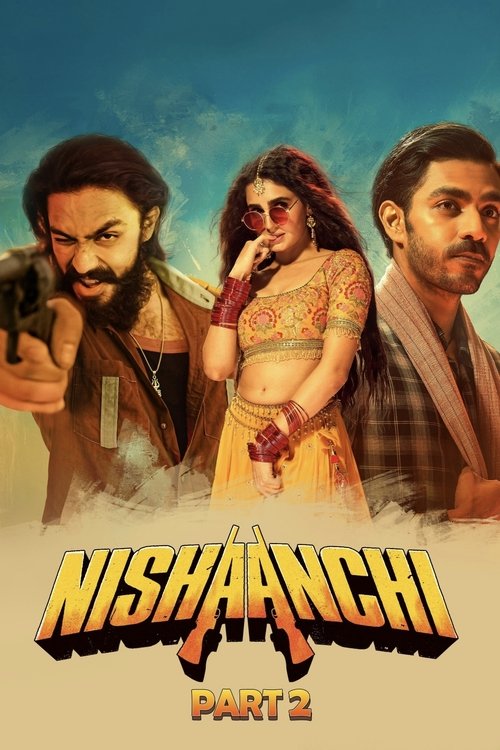
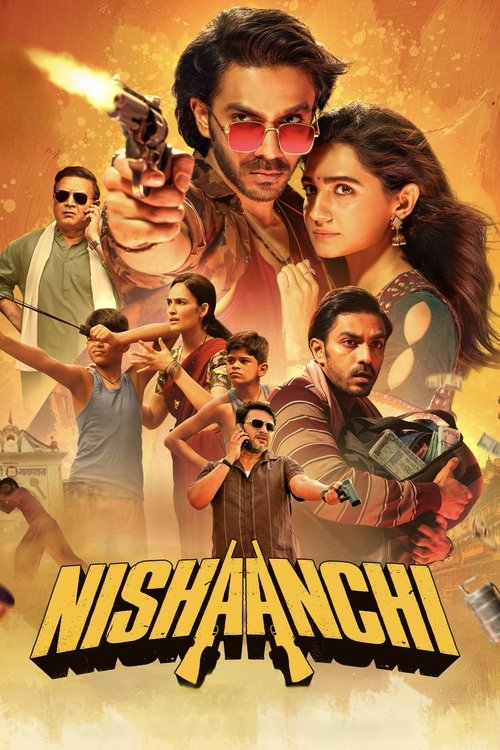
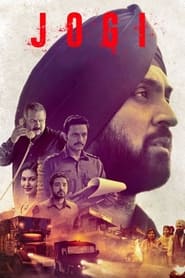
See all 30 credits →






Collaboration Network
The Constellation
Top 10 most-paired collaborators. Bubble size and line thickness reflect how many films they share with Mohammed Zeeshan Ayyub.
Career Analytics
Genre Breakdown
Language Distribution
Films by Decade
Top Co-Actors
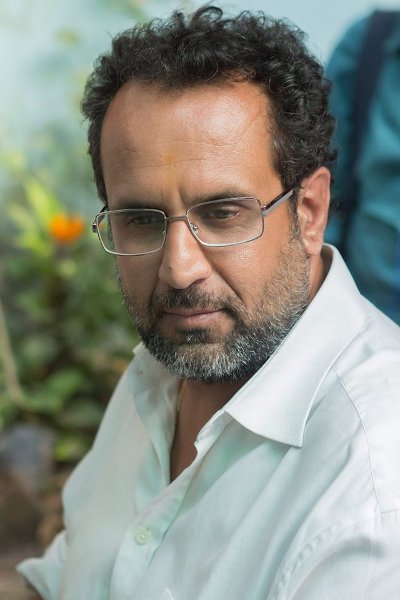
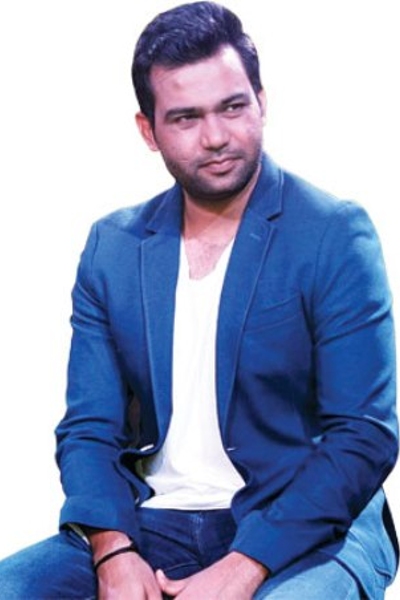
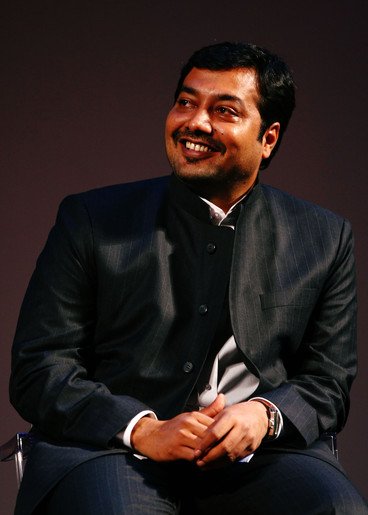
See all →Mohammed Zeeshan Ayyub has worked most frequently with Anand L. Rai (4 films), Ali Abbas Zafar (2 films), Anurag Kashyap (2 films), Kunal Deshmukh (2 films), and Kabir Khan (2 films).



Did You Know?
Mohammed Zeeshan Ayyub is known for his strong supporting roles in Hindi cinema, often playing characters with strong moral or political convictions.
He made his film debut in the 2011 political drama 'No One Killed Jessica'.
He is a graduate of the National School of Drama (NSD), New Delhi, having completed his studies in 2008.
He frequently collaborates with director Anubhav Sinha, appearing in films like 'Mulk' (2018) and 'Article 15' (2019).
He played the role of Karsan Ghavri, a member of the 1983 Cricket World Cup-winning Indian team, in the film '83'.
Signature Dialogues
Ab pyar na hua tumhara, UPSC ka exam ho gaya hai ... dus saal se clear hi nahi ho raha hai
Murari·Raanjhanaa
Mahulle ke laundon ka pyar ... aksar doctor aur engineer uthake le jaate hai
Murari·Raanjhanaa
Hasratein Lucknow, basratein Kanpur ... surmayi hai Bareilly, aur kaatilana hai Rampur
Chintu (Advocate Arun Kumar Singh)·Tanu Weds Manu Returns
Hum kabhi harijan ho jaate hain, kabhi bahujan ho jaate hain, bas jan nahi ban paa rahe hain ke Jan Gan Man mein hamari bhi ginti ho jaaye
Nishad·Article 15
Legacy & Influence
Mohammed Zeeshan Ayyub has carved a distinct niche in contemporary Indian cinema as a versatile and compelling character actor, renowned for his naturalistic performances and ability to embody a wide range of roles. Emerging from a theatre background, his film debut in 'No One Killed Jessica' (2011) signaled the arrival of a nuanced performer. His breakthrough came with Hansal Mehta's critically acclaimed 'Shahid' (2013), where his portrayal of Arif Azmi, a man navigating complex moral and personal dilemmas, established him as an actor of profound depth and sensitivity. Ayyub's career trajectory is defined by a deliberate choice of substantial supporting roles that often serve as the moral or ideological anchor of a narrative. In Anubhav Sinha's hard-hitting 'Article 15' (2019), his character, Jatav, became the empathetic lens through which the audience confronted systemic caste oppression, a performance praised for its quiet dignity and powerful presence. He further showcased his range by seamlessly transitioning into mainstream and commercial spaces, delivering memorable performances as the earnest friend in the 'Tanu Weds Manu' series and stepping into the shoes of real-life cricketer Karsan Ghavri in the sports epic '83' (2021). His contribution lies in elevating the craft of character acting, bringing authenticity, intelligence, and emotional truth to every part, regardless of screen time. He consistently chooses projects with social relevance, from 'Raees' to 'Mukkabaaz', often playing the common man who reflects societal fractures and resilience. By refusing to be typecast and excelling in both indie dramas and big-budget spectacles, Ayyub has redefined the impact a supporting actor can have, becoming a trusted and integral component of meaningful storytelling in Hindi cinema.