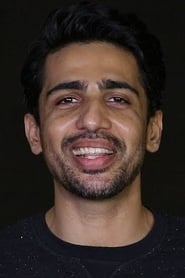
Gulshan Devaiah
Gulshan Devaiah is an Indian actor, best known for Tamil cinema. Gulshan Devaiah began their career in 2011 and has been a prominent figure in the industry for over 15 years. With 30 credits to their name and an average audience rating of 6.0, Gulshan Devaiah remains one of the most prolific and celebrated talents in the industry. Spanning 10+ years, Gulshan Devaiah's career remains one of the longest and most celebrated in Tamil cinema.
- Born
- Age
- 48
Biography
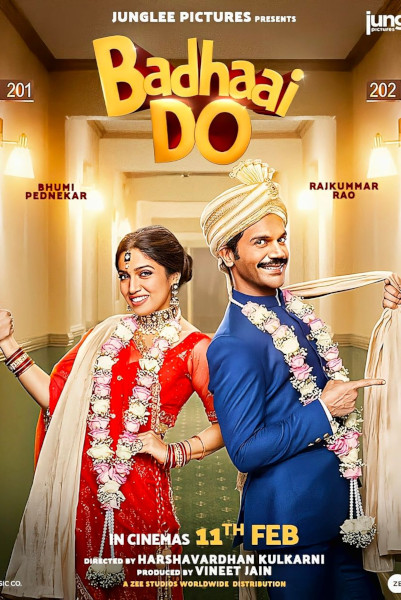
Gulshan Devaiah is a Bengaluru-born Hindi cinema actor, trained at NIFT and a veteran of the fashion industry for a decade before transitioning to film, best known for morally complex and unconventional characters. He made his acting breakthrough with Dibakar Banerjee's Shaitan (2011), earning a Filmfare Best Male Debut nomination, and won the Screen Award for Best Supporting Actor for Mard Ko Dard Nahi Hota (2019). He is recognized for inhabiting the full spectrum from darkly menacing antagonists — such as Siddharth Dhanrajgir in Hate Story (2012) — to tender, layered supporting roles in films like Badhaai Do (2022) alongside Rajkummar Rao. His recent work includes Ulajh (2024) opposite Janhvi Kapoor and an upcoming role in Kantara: Chapter 1 (2025), cementing his status as one of Hindi cinema's most dependable character actors.
Career Milestones
Film debut in Anurag Kashyap's That Girl in Yellow Boots
View film →Breakthrough role as Karan 'K.C.' Chaudhary, earning Filmfare Best Male Debut nomination
View film →First lead role as antagonist in Hate Story
View film →Lead role in adult comedy Hunterrr, cementing status as versatile indie actor
View film →Won Screen Award for Best Supporting Actor for dual role as Karate Mani and Jimmy
Iconic Roles
Shaitan
A rich, reckless spoiled brat whose impulsive decisions spiral a group of friends into a dangerous kidnapping scheme. Gulshan's debut role earned him a Filmfare Award for Best Male Debut nomination.
Hunterrr
The lead role of a compulsive philanderer and sex addict navigating a lifetime of casual encounters, until an unexpected emotional connection begins to change him. Widely regarded as Gulshan's most celebrated performance.
Badhaai Do
A gay man in a lavender marriage who becomes the emotional anchor of this progressive LGBTQIA+ story; the role earned widespread critical appreciation for its sensitivity and warmth.
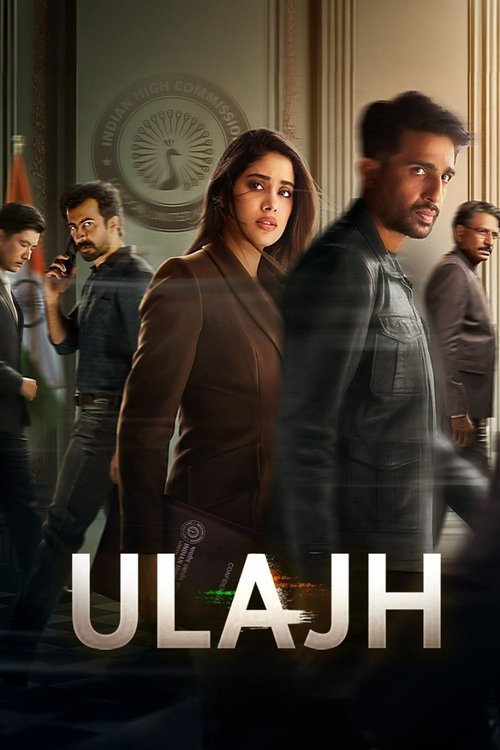
Ulajh
A duplicitous ISI double agent who manipulates the protagonist in a high-stakes political spy thriller, showcasing Gulshan's ability to project menace beneath a charming exterior.
Defining Moments
As Karan 'KC' Chaudhary, a reckless rich kid whose thrill-seeking spiral leads to a hit-and-run cover-up and eventual moral collapse — his volatile charisma anchored the film's dark energy and earned him a Filmfare Best Male Debut nomination.
His breakout role that established him as a fearless performer willing to play morally reprehensible characters with full conviction. Critics widely cited it as one of the strongest debut performances of 2011.
View film →As Mandar Ponkshe, a self-confessed sex addict recounting his lifelong romantic misadventures — Devaiah played the entire film with raw comedic vulnerability, making a deeply flawed character genuinely endearing without sanitizing him.
Widely regarded as his finest lead performance. The role demanded sustained tonal balance across comedy and pathos and is frequently cited as proof of his range as a leading man who was underutilized by mainstream cinema.
View film →As Advocate Guru Narayan, a gay man in a lavender marriage who quietly supports the film's protagonists — his understated warmth and dignity in a brief role gave the film's LGBTQ+ themes their emotional grounding.
Praised by critics as the most impactful supporting turn in the film. His ability to convey decades of repressed longing in limited screen time was highlighted across multiple reviews as the film's emotional highlight.
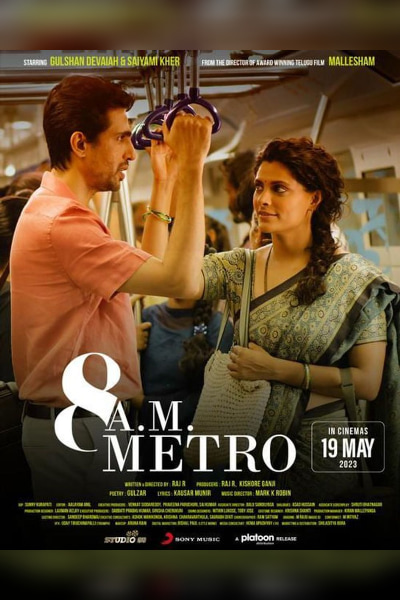
View film →As a lonely married man who forms a daily train friendship with Saiyami Kher's character — his use of minimalism, pauses, and physical restraint created a quietly devastating portrait of middle-class longing and marital disconnect.
Critics specifically called out his exploitation of silence and underplaying as the film's greatest asset, cementing his reputation as one of Hindi cinema's most technically precise actors.
View film →As Nakul/Humayun, a double-role antagonist with contrasting registers — suave intelligence on one side, menacing unpredictability on the other — he was cited as the film's standout element in an otherwise mixed-reviewed spy thriller.
Demonstrated his ability to carry a mainstream thriller as a compelling villain, expanding his profile beyond indie cinema and reigniting conversation about his consistent underutilization in big-budget projects.
View film →Gulshan Devaiah by the Numbers
If you watched every Gulshan Devaiah film back-to-back, you'd be at it for roughly 1 day and 11h. Most-paired with Vivek Agnihotri — 2 films together.
Filmography
See all 30 credits →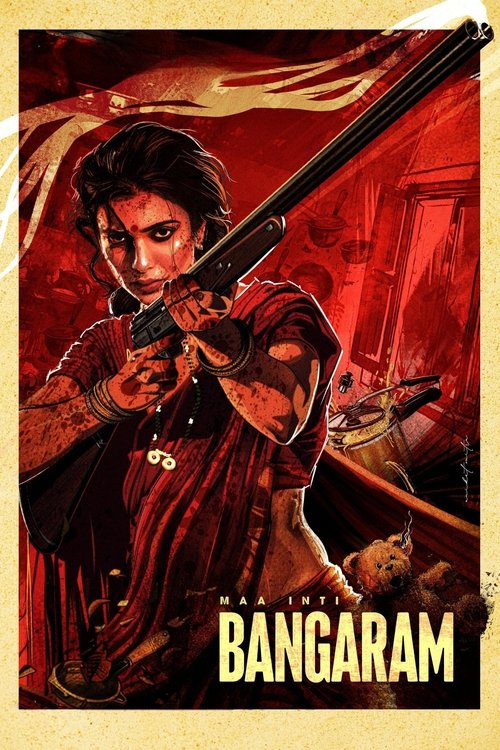






Collaboration Network
The Constellation
Top 6 most-paired collaborators. Bubble size and line thickness reflect how many films they share with Gulshan Devaiah.
Career Analytics
Genre Breakdown
Language Distribution
Films by Decade
Top Co-Actors
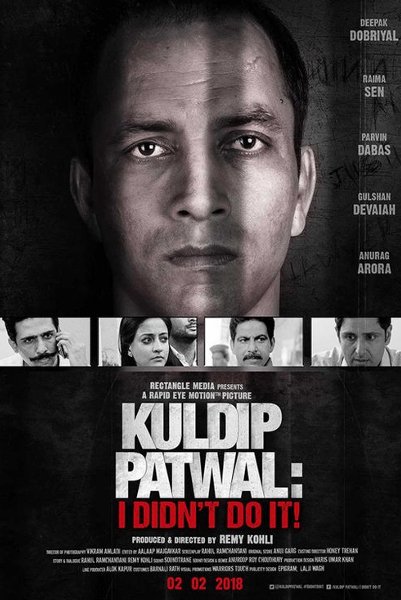
See all →Gulshan Devaiah has worked most frequently with Vivek Agnihotri (2 films), Harshavardhan Kulkarni (2 films), Yami Gautam (2 films), Kalki Koechlin (2 films), and Rajesh Tailang (2 films).



Did You Know?
Gulshan Devaiah was born in Bangalore, Karnataka, India.
He studied at St. Joseph's College, Bangalore, and later at the Film and Television Institute of India (FTII), Pune.
He made his film debut in 2011 with the Kannada film 'Moggina Manasu', but his Hindi debut was in 2011 with 'That Girl in Yellow Boots'.
He is known for his versatility, often playing intense or negative characters, such as in 'Hate Story' and 'Commando 3'.
He won the Filmfare Award for Best Supporting Actor (Marathi) for his role in the 2018 film 'Mard Ko Dard Nahi Hota'.
Signature Dialogues
Second best pe line maaro yaar... patne ke chances zyada hote hai
Mandar Ponkshe·Hunterrr
Dost do kisam ke hote hai; ek woh jinhe raat ke do bajhe bhi phone kiya ja sakta hai, and you know ki they will be there for you; aur doosre woh jinhe raat ke do bajhe hi phone kiya jaata hai
Karan 'KC' Chaudhary·Shaitan
Pehle lagta tha ki zindagi ek intezar hai... a long boring wait... lekin ab lagta hai jaise ki zindagi ek film ki tarah hai... boring hai toh kya hua, forward toh kar sakte hai na
Karan 'KC' Chaudhary·Shaitan
Legacy & Influence
Gulshan Devaiah has carved a distinct niche in Hindi cinema as a versatile character actor known for his intense performances and ability to embody complex, often morally ambiguous roles. Emerging from the indie film scene, his breakthrough came with Anurag Kashyap's 'That Girl in Yellow Boots' (2011), where his raw portrayal established him as a talent to watch. He further demonstrated his range in the acclaimed drama 'Shaitan' (2011), playing a volatile and unpredictable character, which cemented his reputation for fearless choices. Devaiah's career trajectory is defined by a deliberate avoidance of typecasting, seamlessly shifting between mainstream commercial films like the 'Commando' series, where he played a memorable antagonist, and nuanced performances in smaller, content-driven projects such as 'Hunterrr' (2015) and 'Mard Ko Dard Nahi Hota' (2018). His contribution lies in elevating supporting and lead roles with a unique psychological depth and physical commitment, often bringing a palpable sense of danger or vulnerability to his characters. In recent years, he has continued to choose challenging work, like the dual role in the thriller 'Blurr' (2022) and the sensitive portrayal in '8 A.M. Metro' (2023), showcasing his skill in quiet, introspective drama. While not a conventional leading man, Devaiah's filmography represents a modern strand of Indian acting that prioritizes character integrity and narrative substance over stardom. He has influenced the industry by proving the viability and importance of skilled character actors in driving diverse stories, inspiring a generation of performers to pursue roles based on artistic merit rather than mere screen time. His work, particularly in the realm of gritty dramas and unconventional narratives, has contributed to the expanding palette of contemporary Hindi cinema.