Vivek Agnihotri
Vivek Agnihotri is an Indian director, best known for Tamil cinema. Vivek Agnihotri began their career in 2007 and has been a prominent figure in the industry for over 19 years. With 30 credits to their name, Vivek Agnihotri remains one of the most prolific and celebrated talents in the industry. Spanning 10+ years, Vivek Agnihotri's career remains one of the longest and most celebrated in Tamil cinema.
- Born
- Age
- 52
Biography
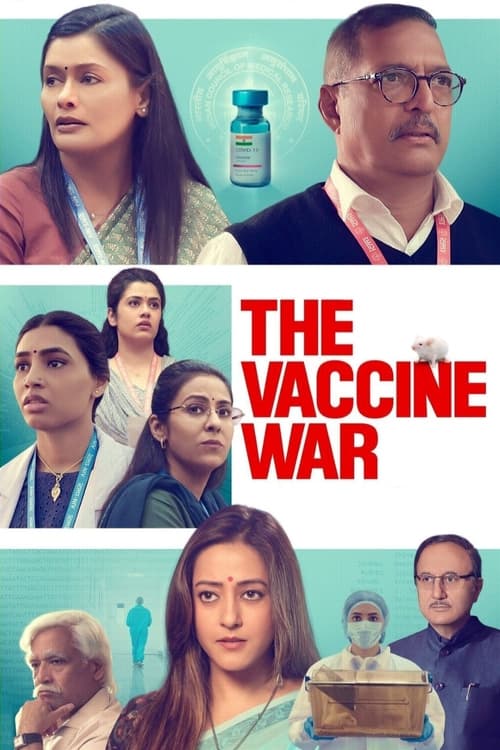
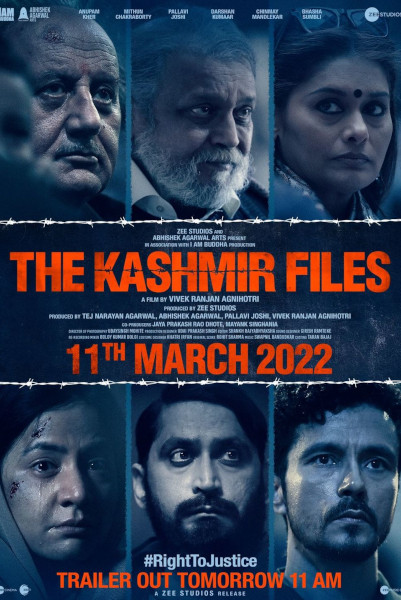
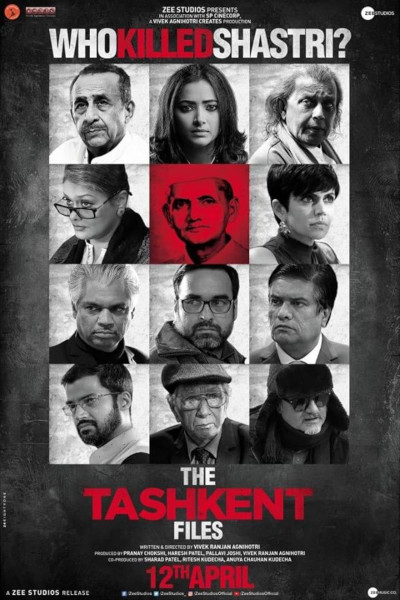
Vivek Ranjan Agnihotri is an Indian film director, producer, and screenwriter working in Hindi cinema, best known for directing politically charged nationalist films that sparked wide public discourse. His 2022 film The Kashmir Files, depicting the exodus of Kashmiri Pandits, became one of the highest-grossing Indian films of that year and won the National Film Award for Best Feature Film on National Integration at the 69th National Film Awards. His earlier film The Tashkent Files (2019) won him the National Film Award for Best Screenplay (Dialogues), establishing his recurring focus on under-reported historical events in India. His 2023 film The Vaccine War continued this pattern, and The Bengal Files is slated for 2025, cementing his identity as a director who centres real-life political and humanitarian crises.
Career Milestones
Bollywood directorial debut
National Film Award for Best Screenplay – Dialogues
View film →Directed one of the highest-grossing Indian films of 2022
View film →Nargis Dutt Award for Best Feature Film on National Integration
View film →Honorary Doctorate
Defining Moments
The mock parliamentary committee hearing in The Tashkent Files, where competing political factions argue over the true cause of Lal Bahadur Shastri's death in Tashkent, structured as a procedural thriller.
Established Agnihotri's signature format — using a fictional investigative framework to raise unresolved historical questions — and won the National Award for Best Direction jury recognition; the template he later refined in The Kashmir Files.
View film →The rice container scene — militant commander Bitta Karate forces Sharda to eat blood-soaked rice from the container where her son (modelled on B.K. Ganjoo) was hiding, in exchange for their lives. One of the most viscerally harrowing scenes in recent Hindi cinema.
Became the single most-discussed scene from the film; encapsulates the dehumanisation of Kashmiri Pandits during the 1990 exodus and drove widespread public outrage and debate about a largely suppressed historical event.
View film →Anupam Kher's monologue as Pushkar Nath Pandit recounting the night of the exodus — delivered in a single long take, describing the terror, the loudspeakers, and the forced flight from Kashmir.
Widely cited as the emotional core of the film; Kher's performance in this scene became a cultural reference point and is credited for giving the film its massive word-of-mouth momentum.
View film →The climactic parliamentary debate scene where Krishna Pandit (Darshan Kumar) confronts the political establishment with evidence of the genocide, shattering the official narrative.
Defines Agnihotri's thesis-driven directorial style — using dramatic confrontation to deliver a political argument; the scene sparked national conversation about historical accountability.
View film →Opening sequence depicting the night of 19 January 1990 — the mosque loudspeakers, the slogans, and Kashmiri Pandits fleeing their homes — recreated from survivor testimonies collected over years of research.
The sequence that defines the film's documentary-realist intent; Agnihotri has repeatedly cited this as the most personally important scene he has ever directed, and it set the tone for the film becoming the highest-grossing Hindi film of 2022.
View film →Vivek Agnihotri by the Numbers
If you watched every Vivek Agnihotri film back-to-back, you'd be at it for roughly 21 hours. Most-paired with Pallavi Joshi — 5 films together.
Filmography
See all 30 credits →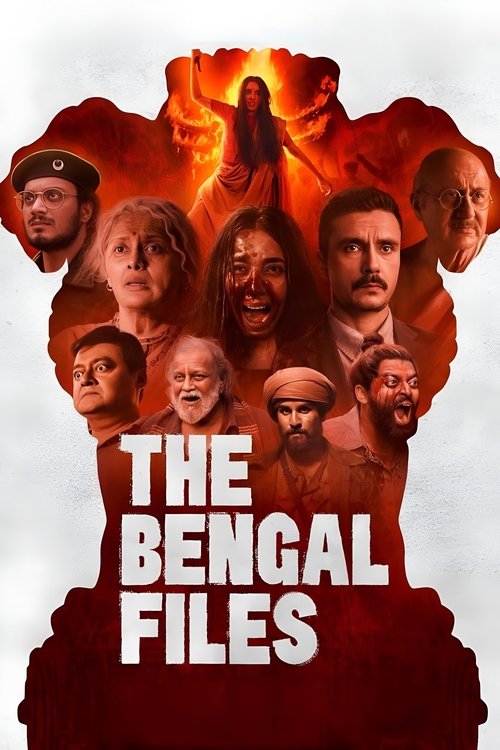

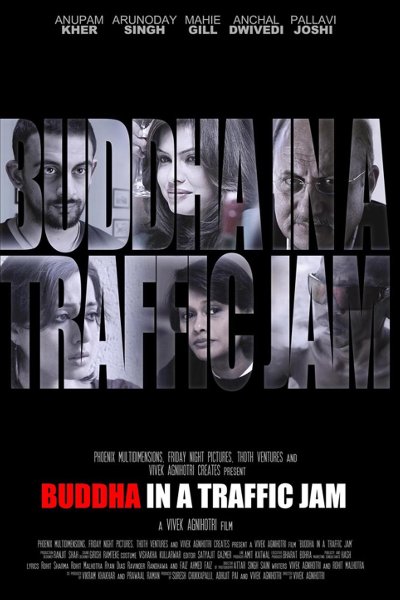

Collaboration Network
The Constellation
Top 7 most-paired collaborators. Bubble size and line thickness reflect how many films they share with Vivek Agnihotri.
Career Analytics
Genre Breakdown
Language Distribution
Films by Decade
Top Co-Actors
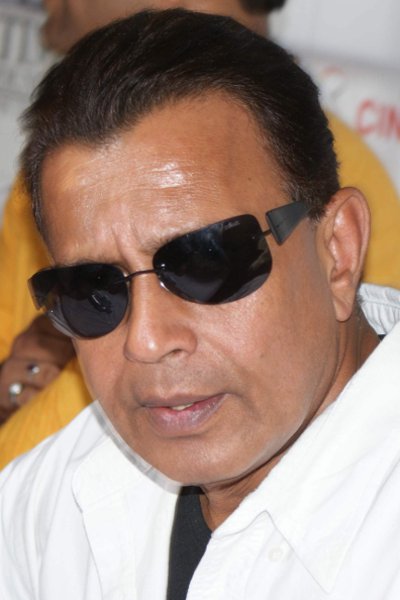
See all →Vivek Agnihotri has worked most frequently with Pallavi Joshi (5 films), Anupam Kher (4 films), Mithun Chakraborty (3 films), Yami Gautam (2 films), and Gulshan Devaiah (2 films).





Did You Know?
Vivek Agnihotri is an Indian film director, screenwriter, and author known for his work in Hindi cinema.
He is the founder of the production house 'Vivek Agnihotri Creations'.
Agnihotri began his career as a copywriter in advertising before moving to films.
He is married to actress Pallavi Joshi, who frequently appears in his films.
Agnihotri directed the film 'The Kashmir Files' (2022), which became a major commercial success and sparked national debate.
Legacy & Influence
Vivek Agnihotri is a filmmaker, author, and political commentator whose work has significantly influenced contemporary Indian cinema's engagement with socio-political themes. His career trajectory began with the romantic thriller 'Chocolate' (2005) and the thriller 'Dhan Dhana Dhan Goal' (2007), but he achieved major recognition with 'The Tashkent Files' (2019), a political thriller that sparked national debate about a historical mystery. This film established his signature style of using cinema as a tool for investigative narrative and provocative discourse. His most impactful contribution is 'The Kashmir Files' (2022), a dramatic narrative based on the exodus of Kashmiri Pandits in the 1990s. The film became a massive commercial success and ignited intense nationwide conversations about historical narrative, memory, and identity politics. Agnihotri's work is characterized by a deliberate focus on themes he describes as 'national interest' and 'forgotten history,' often positioning his films as counter-narratives to mainstream historical or political discourse. His filmmaking approach has pioneered a distinct sub-genre in Hindi cinema—the politically charged, research-driven drama marketed as uncovering 'truths.' This has influenced a wave of films tackling similarly contentious historical and political subjects. His methods, including extensive use of archival material and claims of factual accuracy, have reshaped marketing strategies and audience expectations for issue-based films. While his films are celebrated by some for bold storytelling and reviving debated historical chapters, they are also critically scrutinized for their partisan perspective and polarizing effect. Regardless of perspective, his filmography has undeniably altered the landscape of Indian popular cinema by demonstrating the commercial viability and cultural impact of overtly ideological filmmaking, pushing historical and political conflict to the center of mainstream movie-going discourse in a manner unprecedented in scale and reception.