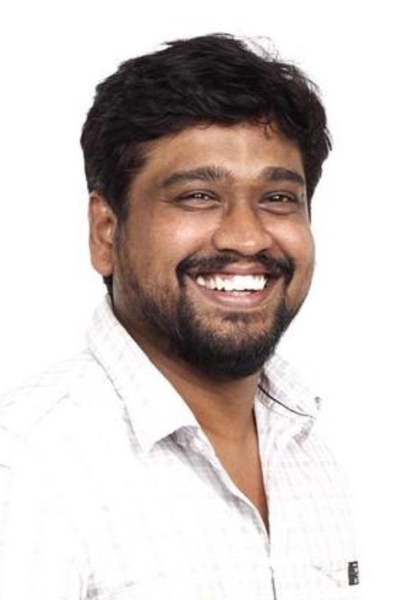
M. Rajesh
M. Rajesh is an Indian director, best known for Tamil cinema. M. Rajesh began their career in 2009 and has been a prominent figure in the industry for over 17 years. With 30 credits to their name, M. Rajesh remains one of the most prolific and celebrated talents in the industry. Spanning 10+ years, M. Rajesh's career remains one of the longest and most celebrated in Tamil cinema.
- Born
- Age
- 40
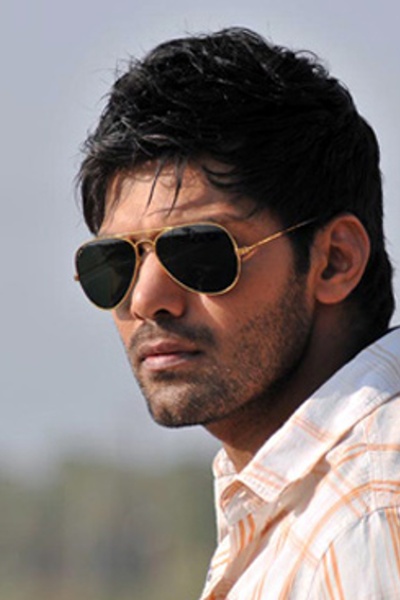
Biography
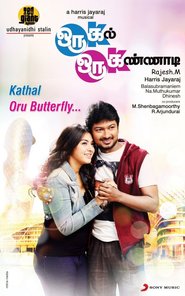
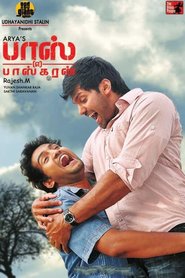
M. Rajesh is a Tamil film director and screenwriter, working primarily in the Tamil film industry based in Nagercoil, Tamil Nadu and Known for making full-length comedy entertainers, he made his directorial debut with Siva Manasula Sakthi in 2009 and followed it up with Boss Engira Bhaskaran (2010) and Oru Kal Oru Kannadi (2012), all three of which emerged very successful at the box office
Career Milestones
Began film career as assistant director under Ameer Sultan
Made directorial debut with a commercially successful romantic comedy
View film →Directed second consecutive box office hit, cementing reputation as a comedy filmmaker
View film →Third consecutive commercially successful film, establishing him as a leading Tamil comedy director
View film →Returned to direction after a series of box office setbacks
Defining Moments
Jiiva's character imitates Rajinikanth's 'Padayotta' role, with vocal mimicry secretly performed by Sivakarthikeyan
Became a trivia favourite and cult moment — the hidden Sivakarthikeyan connection gave it lasting replay value and helped the film achieve cult status despite mixed initial reviews
View film →Santhanam brings Shakeela as a guest teacher to Bhaskaran's parallel college, leading to uproarious chaos among students and staff
Widely cited as one of the film's funniest set-pieces; exemplifies M. Rajesh's trademark comedy of escalating absurdity and became a standout moment discussed in reviews and fan conversations
View film →Bhaskaran and his friend search for the meaning of the word 'pardon' in a prolonged comic misunderstanding sequence
Repeatedly highlighted in critics' reviews as one of the sharpest comedy writing moments in the film; showcases M. Rajesh's skill at mining humor from language and class gaps
View film →Arya meets Nayanthara on a town bus, unknowingly reveals his entire scheme to her before realising who she is
Classic comic-romantic setup that defined the Arya–Nayanthara pairing in the film; critics and audiences pointed to this scene as the moment the film's central conflict snaps into place with great comedic timing
View film →Udhayanidhi Stalin's debut performance opposite Santhanam in the central comedy track, anchoring the film's ensemble humor
Marked the successful launch of a major producer-turned-actor; M. Rajesh's direction was credited for making the debut feel natural, and the film completed his early box-office hat-trick establishing him as Tamil cinema's top comedy filmmaker of that era
View film →M. Rajesh by the Numbers
If you watched every M. Rajesh film back-to-back, you'd be at it for roughly 23 hours. Most-paired with Santhanam — 5 films together.
Filmography
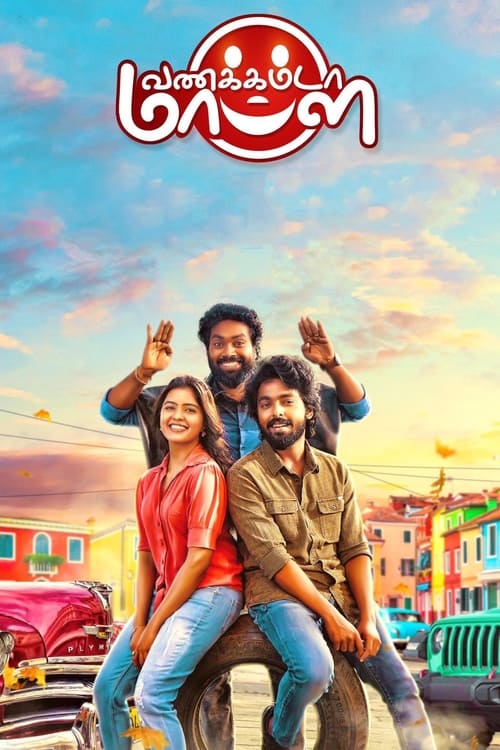
See all 30 credits →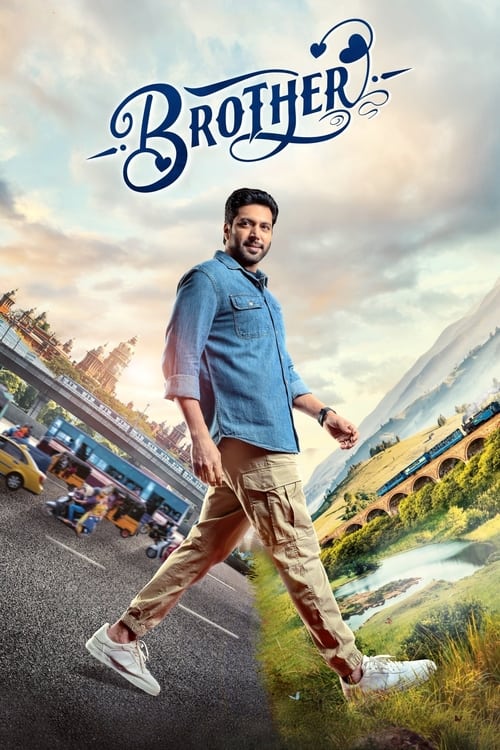
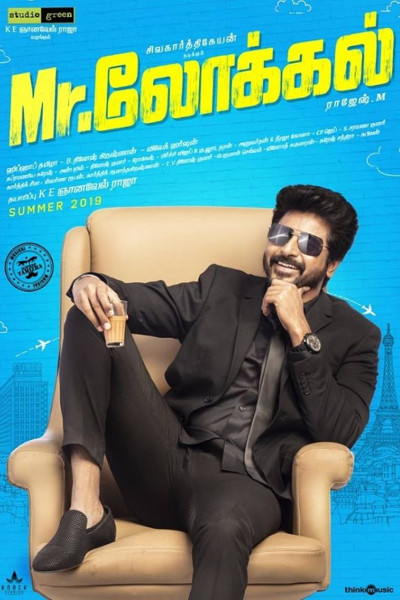
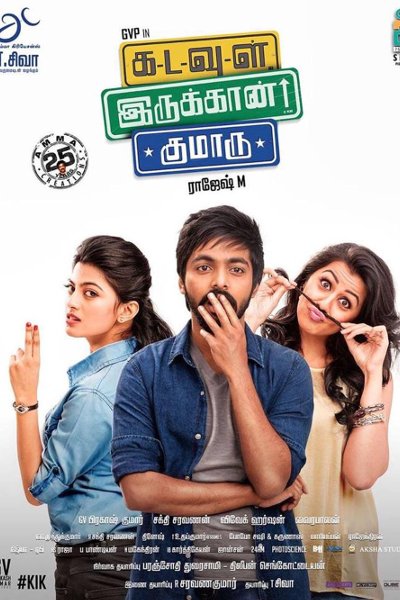
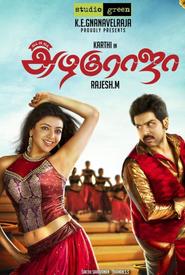
Collaboration Network
The Constellation
Top 10 most-paired collaborators. Bubble size and line thickness reflect how many films they share with M. Rajesh.
Career Analytics
Genre Breakdown
Language Distribution
Films by Decade
Top Co-Actors
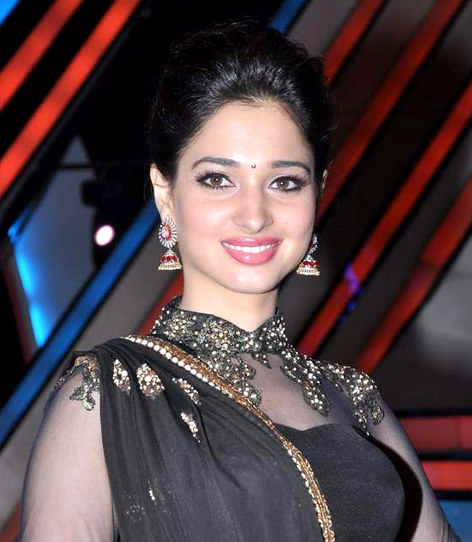
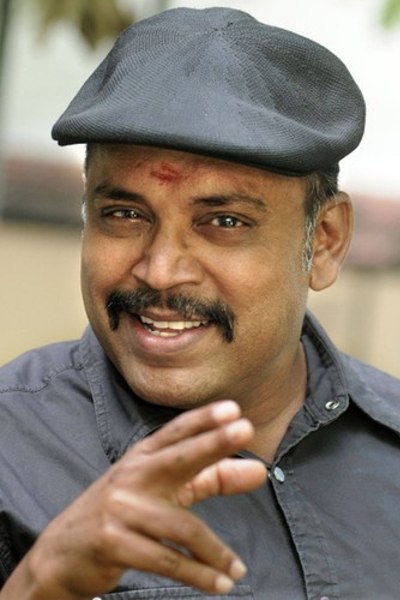
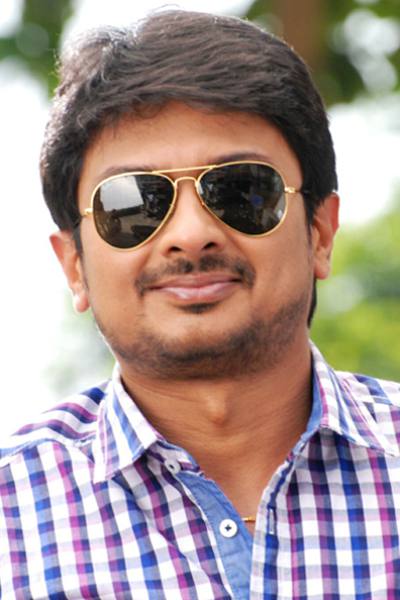
See all →M. Rajesh has worked most frequently with Santhanam (5 films), Arya (5 films), Tamannaah Bhatia (2 films), Thambi Ramaiah (2 films), and Udhayanidhi Stalin (2 films).

Did You Know?
M. Rajesh is known for his collaboration with actor Arya, directing him in multiple films including 'Siva Manasula Sakthi', 'Boss Engira Bhaskaran', and 'Naan Sirithal'.
His directorial debut 'Siva Manasula Sakthi' (2009) was a commercial success and established his reputation for comedy films.
He frequently works with music composer Yuvan Shankar Raja, who has scored the music for several of his films.
Before becoming a director, M. Rajesh worked as an assistant director to filmmaker Suraj.
His film 'Boss Engira Bhaskaran' (2010) starred Arya and Nayanthara and was a box office hit.
Legacy & Influence
M. Rajesh emerged in the late 2000s as a distinctive voice in Tamil cinema, carving a niche with his brand of light-hearted, full-length comedy entertainers. His debut, 'Siva Manasula Sakthi' (2009), was a sleeper hit that established his signature style: urban-centric narratives revolving around romantic entanglements, delivered through a steady stream of situational humor and witty dialogue rather than slapstick. This film, along with his immediate follow-up 'Boss Engira Bhaskaran' (2010), solidified his reputation for crafting commercially viable comedies that resonated with youth and family audiences alike. Rajesh's contribution lies in successfully mainstreaming a specific sub-genre of Tamil comedy—character-driven, feel-good stories where the humor arises from relational dynamics and everyday scenarios. His films often feature ensemble casts and are known for their memorable, quirky supporting characters and repartee. While his subsequent filmography has seen varying levels of commercial success, his early work demonstrated a formula that influenced a wave of comedy-focused filmmakers in the industry, proving that straightforward, humor-led narratives could achieve significant box-office success without relying heavily on action or melodrama. His career trajectory reflects a director who consistently operates within his established comedic domain, contributing to the diversity of Tamil cinema's commercial landscape by providing reliable, light-hearted entertainment.