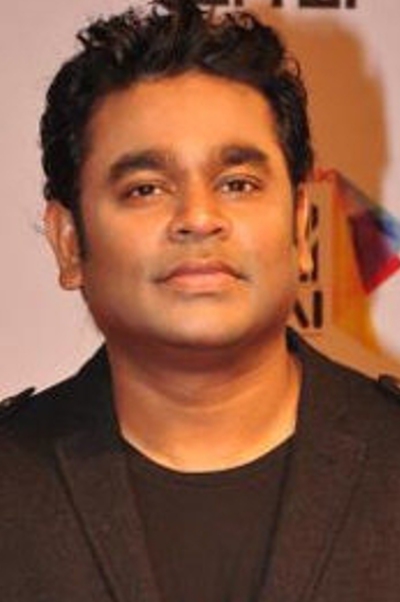
A. R. Rahman & Neeraj Vora Movies Together List — 3 Films
Complete Movies List & Collaboration History
Last updated: 2026-07-19 · Data sources: Wikipedia, TMDB
A. R. Rahman and Neeraj Vora appeared together in 3 Hindi films between 1995 and 1998. Their highest-rated collaboration was Daud (1997 — 5.6/10). Films span Rangeela (1995) through Doli Saja Ke Rakhna (1998).
The A. R. Rahman & Neeraj Vora partnership
From Rangeela (1995) to Doli Saja Ke Rakhna (1998). The played out closed with Doli Saja Ke Rakhna in 1998. It started with Rangeela (1995).
The shape of the work
Never on the same side of the camera — A. R. Rahman original music composer, Neeraj Vora actor, across all 3 films. Strictly Hindi cinema — they never crossed industries together.
3 films across 1 decade
- Daud
- Doli Saja Ke Rakhna
The partnership in numbers
Partnership Pattern
3 films across 3 years represents consistent collaboration.
Language Distribution
Linguistic diversity: 1 language, with Hindi being their primary medium.
Where each was in their career
After Doli Saja Ke Rakhna, A. R. Rahman kept going for 160 more films; Neeraj Vora stepped back.
Before Rangeela, A. R. Rahman had starred in 28 films, including Kizhakku Cheemayile (1993) and Kizhakku Cheemayile (1993).
After Doli Saja Ke Rakhna, A. R. Rahman went on to appear in 160 more films, including Maidaan (2024) and Sachin : A Billion Dreams (2017).
Before Rangeela, Neeraj Vora had starred in 3 films, including Raju Ban Gaya Gentleman (1992) and Holi (1984).
After Doli Saja Ke Rakhna, Neeraj Vora went on to appear in 20 more films, including Bhool Bhulaiyaa (2007) and Phir Hera Pheri (2006).
Collaboration Journey
A chronological view of A. R. Rahman & Neeraj Vora's professional partnership
Actors and musicians who worked on most of their films
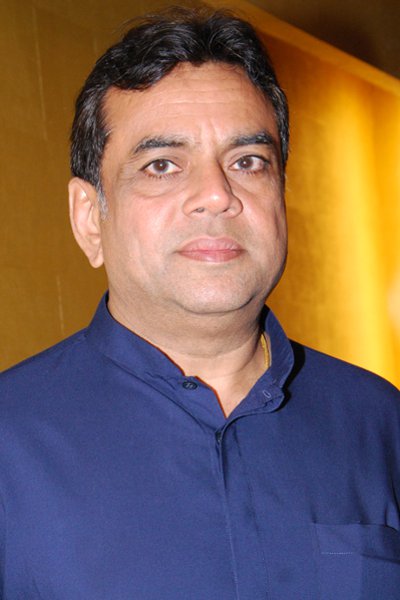
Paresh Rawal is the through-line — cast on 2 of their 3 films.
 2
2 2
2






Other iconic Hindi director-actor duos
Discover other partnerships with comparable filmographies and ratings
Anupam Kher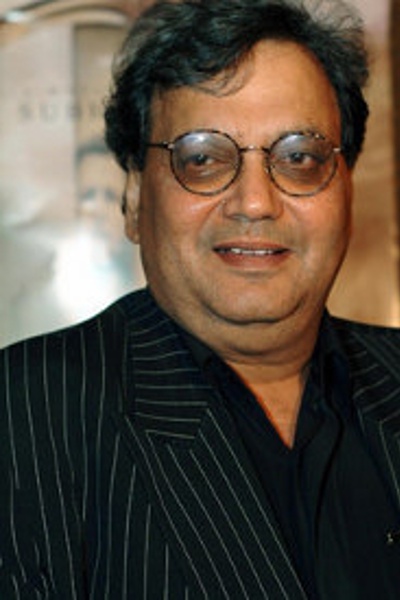 Subhash Ghai
 A. R. Rahman
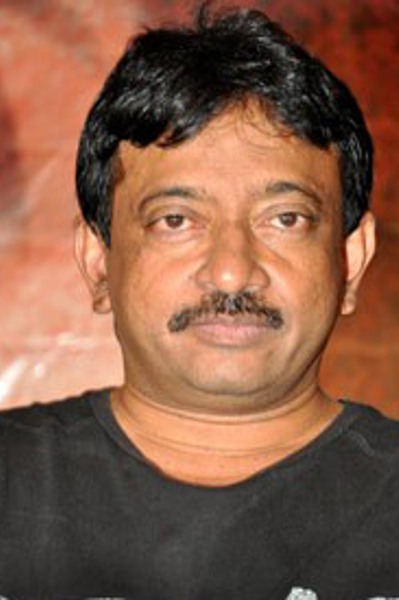 Ram Gopal Varma
 Deepika Padukone
 Salman KhanJackie Shroff
 Deepti Naval
 Rekha
Rekha Shahrukh Khan
 Rakesh Roshan