Sujatha & Sathyapriya Movies Together List — 2 Films
Complete Movies List & Collaboration History
Last updated: 2026-07-12 · Data sources: Wikipedia, TMDB
Sujatha and Sathyapriya appeared together in 2 Tamil films between 1977 and 1995. Their highest-rated collaboration was Dheepam (1977 — 7.5/10). Films span Dheepam (1977) through Karnaa (1995).
The Sujatha & Sathyapriya partnership
After 18 years apart, they came back together for Karnaa (1995). They didn't share a set between 1977 and 1995. From Dheepam (1977) to Karnaa (1995).
Dheepam is the one most viewers reach for. It started with Dheepam (1977).
The shape of the work
The 1970s belonged to Dheepam; the 1990s to Karnaa. Sujatha acted in every film; Sathyapriya acted in all of them.
2 films across 2 decades
The 1970s brought 1 film together, anchored by Dheepam (7.5/10).
The 1990s accounted for 1 film.
- Dheepam
- Karnaa0
The partnership in numbers
Partnership Pattern
2 films across 18 years represents consistent collaboration.
Language Distribution
Linguistic diversity: 1 language, with Tamil being their primary medium.
Where each was in their career
Before Dheepam, Sujatha had starred in 18 films, including Aval Oru Thodar Kathai (1974) and Annakili (1976).
After Karnaa, Sujatha went on to appear in 17 more films, including Neeku Nenu Naaku Nuvvu (2003) and Poovarasan (1996).
Before Dheepam, Sathyapriya had starred in 1 film, including Manjal Mugame Varuga (1975).
After Karnaa, Sathyapriya went on to appear in 16 more films, including Chithiram Pesuthadi (2006) and Devathai (1997).

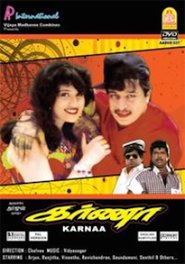
Collaboration Journey
A chronological view of Sujatha & Sathyapriya's professional partnership
Actors and musicians who worked on most of their films
Arjun is the through-line — cast on 1 of their 2 films.






Other iconic Tamil director-actor duos
Discover other partnerships with comparable filmographies and ratings