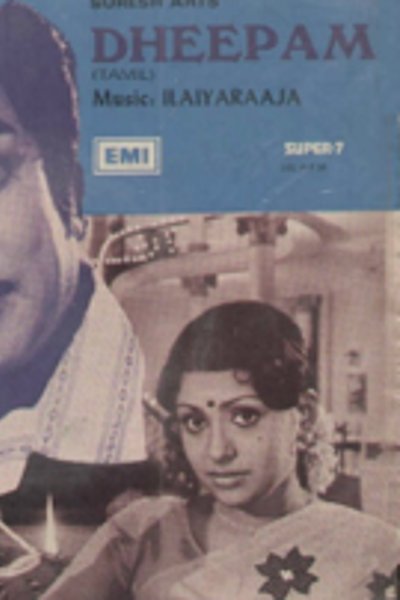
Dheepam(1977)
Dheepam is a 1977 Indian Tamil-language romantic drama film directed by K. Vijayan and produced by K. Balaji. The lead cast includes Sivaji Ganesan, Sujatha, Vijayakumar, and Sangeetha. The story follows a wealthy businessman who falls in love with his employee, only to discover she has a hidden past involving a criminal ex-husband. The film explores themes of class conflict, forgiveness, and redemption. It was praised for its emotional storytelling and strong performances, particularly by Sivaji Ganesan. Dheepam was released in 1977 and is considered a notable entry in Tamil cinema of that era.
Quick Facts
- Streaming on
- Hungama Play
- Theatrical Release
- 26 January 1977
- Director
- K. Vijayan
- Language
- Tamil
- Runtime
- 2h 44m
- Rating
- 7.5/10
Storyline
A wealthy businessman named Raja falls in love with his employee, Geetha. But Geetha carries a secret: she was once married to a dangerous criminal. When her past returns to threaten her new life, Raja must decide if his love is strong enough to forgive and protect her.
“Love that lights the darkest past”
Film Details
Parental Guide
Where to Watch
Vibe & Tags
Cast & Crew





Reunion Meter
Frequent partnerships reunited for Dheepam
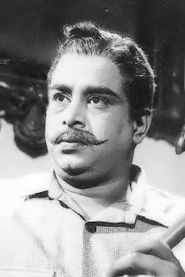
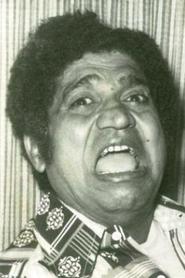
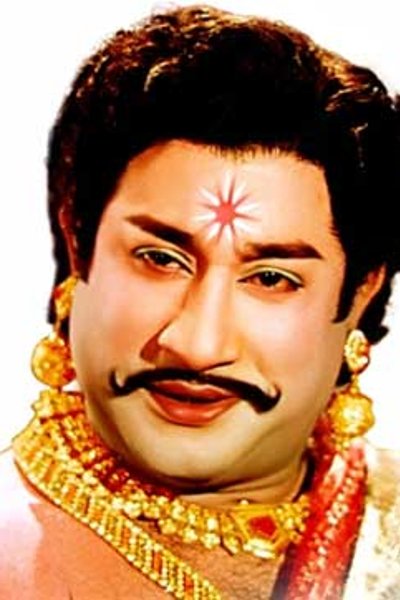
Cast reunions in this film: Ilayaraja & Manorama (60 films together), Ilayaraja & Vijayakumar (44 films together), Nagesh & Major Sundarrajan (43 films together), Nagesh & Manorama (39 films together), Nagesh & Sivaji Ganesan (38 films together), and Sivaji Ganesan & Major Sundarrajan (38 films together).


Trivia
- The film's title 'Deepam' means 'lamp' in Tamil, symbolising the light of sacrifice in the story.
- This was the only Tamil film directed by Vijayan K, who was primarily a Malayalam film director.
- The movie features a cameo appearance by the famous comedian Nagesh in a brief but memorable role.
- Actress Lakshmi, who played the female lead, was already a major star in multiple South Indian languages by this time.
- The film's music was composed by Shankar–Ganesh, a popular duo known for their work in Tamil and Telugu films.
- It was released during a period when romantic dramas with social themes were highly popular in Tamil cinema.
- The climax scene involving the sacrifice was reportedly filmed in a single long take to heighten the emotional impact.