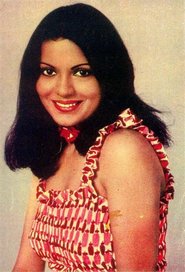
Zeenat Aman
Zeenat Aman is an Indian actor, best known for Tamil cinema. Zeenat Aman began their career in 1979 and has been a prominent figure in the industry for over 47 years. With over 60 credits to their name and an average audience rating of 6.1, Zeenat Aman remains one of the most prolific and celebrated talents in the industry. Spanning 40+ years, Zeenat Aman's career remains one of the longest and most celebrated in Tamil cinema.
- Born
- Age
- 74
Biography
Zeenat Aman is a Hindi cinema actress and former beauty queen who rose to prominence as a glamour icon and leading lady of Bollywood in the 1970s and 1980s. She won Femina Miss India and Miss Asia Pacific International in 1970, then made her breakthrough with Haré Rama Haré Krishna (1971), winning the Filmfare Award for Best Supporting Actress, and went on to star in hits like Don (1978), Satyam Shivam Sundaram (1978), and Qurbani (1980). She was the highest-paid Hindi film actress from 1976 to 1980 and is credited with pioneering the modern glamour aesthetic in Bollywood, playing bold, unconventional roles — including Rupa in Raj Kapoor's Satyam Shivam Sundaram — that challenged the conservative heroine archetype of the era. She returned to the screen in Bhopal Express (1999) and Dunno Y... Na Jaane Kyon (2010), and received the Zee Cine Awards Lifetime Achievement Award (2008) and IIFA Outstanding Contribution to Indian Cinema Award (2010).
Career Milestones
Film debut
Breakthrough role and Filmfare Best Supporting Actress win
Filmfare Best Actress Award win
Filmfare Best Actress nomination for Insaf Ka Tarazu
Career comeback in LGBT-themed film
View film →Defining Moments
Playing Janice, a hippie girl swept into drug culture, culminating in the hypnotic 'Dum Maro Dum' song sequence where she dances in a trance-like state surrounded by hippies
This role was her breakthrough — it shattered conservative Bollywood norms, earned her a Filmfare Best Supporting Actress Award, and made 'Dum Maro Dum' one of the most culturally referenced songs in Hindi cinema history
Her bold performance as Roopa, a disfigured woman navigating desire and spirituality, including a controversial kissing scene that was unprecedented for mainstream Bollywood
Widely discussed for its audacity; earned her a Filmfare Best Actress nomination and cemented her reputation as Bollywood's boldest leading lady willing to take unconventional roles
Portraying the revenge-driven Roma, who infiltrates the criminal underworld to avenge her brother's murder, in a stylish action-thriller role
Showcased she could anchor a mainstream masala blockbuster with both glamour and emotional gravitas; the film became a cult classic and her performance remains frequently cited
The 'Aap Jaisa Koi' song picturized on her as Sheela/Laila, featuring a then-revolutionary disco-era aesthetic and choreography
Sung by teenage sensation Nazia Hussain, this became one of Bollywood's first disco-pop crossover hits; Zeenat's on-screen presence made it a defining image of early-80s Bollywood glamour
Her performance in the suspense drama that marked one of her notable later-career appearances, bridging her 70s-80s stardom with a new generation of audiences
Demonstrated her range and longevity as an actress; the film was critically regarded for its serious treatment of the Bhopal gas tragedy and her participation lent it star gravitas
View film →Zeenat Aman by the Numbers
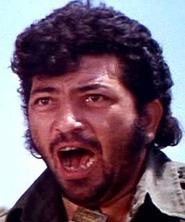
If you watched every Zeenat Aman film back-to-back, you'd be at it for roughly 4 days and 20h. Most-paired with Amjad Khan — 10 films together.
Filmography
See all 60 credits →

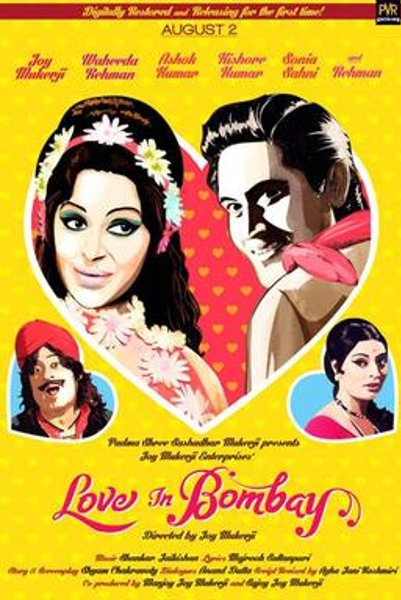
Collaboration Network
The Constellation
Top 10 most-paired collaborators. Bubble size and line thickness reflect how many films they share with Zeenat Aman.
Career Analytics
Genre Breakdown
Language Distribution
Films by Decade
Top Co-Actors
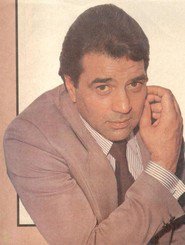
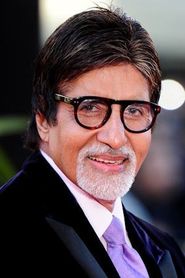
See all →Zeenat Aman has worked most frequently with Umesh Mehra (3 films), Sanjay Sharma (2 films), Brij (2 films), Brij Sadanah (2 films), and Mohan Segal (2 films).


Did You Know?
Zeenat Aman was the first Indian actress to win the Miss Asia Pacific title in 1970.
She was born in Mumbai to a German mother and an Indian Muslim father.
Her breakthrough role was as the hippie character in the 1971 film 'Hare Rama Hare Krishna'.
She won the Filmfare Best Supporting Actress Award for her role in 'Satyam Shivam Sundaram' (1978).
Zeenat Aman was known for bringing a modern, Westernized image to Hindi cinema in the 1970s.
Legacy & Influence
Zeenat Aman is a seminal figure in Indian cinema, renowned for redefining the archetype of the Hindi film heroine in the 1970s and 80s. Her career trajectory began with a bold debut in 'Hare Rama Hare Krishna' (1971), where her portrayal of the rebellious, Westernized Janice shattered the prevailing demure, traditional image of leading ladies. This established her as a symbol of modernity and liberated femininity. Aman consistently chose roles that challenged societal norms, most notably in 'Satyam Shivam Sundaram' (1978), where she played a woman with a facial scar, and in 'Insaf Ka Tarazu' (1980), a powerful drama addressing rape and justice. Her performance in the latter was critically acclaimed for its raw intensity. Beyond serious cinema, she was a quintessential glamour icon and a trendsetter. Her chic, confident style, often featuring bell-bottoms, miniskirts, and a carefree attitude, was widely emulated. In films like 'Yaadon Ki Baaraat' (1973) and 'Qurbani' (1980), she popularized the image of the 'disco dancer' and the modern, independent woman who could be both sensual and self-assured. Her contribution lies in successfully merging glamour with substance, proving that an actress could headline major commercial successes while tackling unconventional, socially relevant themes. She paved the way for future generations of actresses to explore more complex, multifaceted roles beyond traditional binaries, leaving an indelible mark on the portrayal of women in Bollywood.