Abhishek Chaubey & Vishal Bharadwaj Movies Together List — 3 Films
Complete Movies List & Collaboration History
Last updated: 2026-07-21 · Data sources: Wikipedia, TMDB
Abhishek Chaubey and Vishal Bharadwaj appeared together in 3 Hindi films between 2006 and 2014. Their highest-rated collaboration was Omkara (2006 — 7.6/10). Films span Omkara (2006) through Dedh Ishqiya (2014).
The Abhishek Chaubey & Vishal Bharadwaj partnership
3 films across 2 decades
The 2000s brought 1 film together, anchored by Omkara (7.6/10).
The 2010s accounted for 2 films, averaging 6.8/10.
- Omkara
- Ishqiya
- Dedh Ishqiya
The partnership in numbers
Partnership Pattern
3 films across 8 years represents consistent collaboration.
Language Distribution
Linguistic diversity: 1 language, with Hindi being their primary medium.
Where each was in their career
60% of Abhishek Chaubey's screen credits are with Vishal Bharadwaj.
Omkara was Abhishek Chaubey's directorial debut.
After Dedh Ishqiya, Abhishek Chaubey went on to direct 2 more films, including Udta Punjab (2016) and Ankahi Kahaniya (2021).
Before Omkara, Vishal Bharadwaj had directed 10 films, including Maqbool (2004) and Paanch (2003).
After Dedh Ishqiya, Vishal Bharadwaj went on to direct 10 more films, including Talvar (2015) and Talvar (2015).

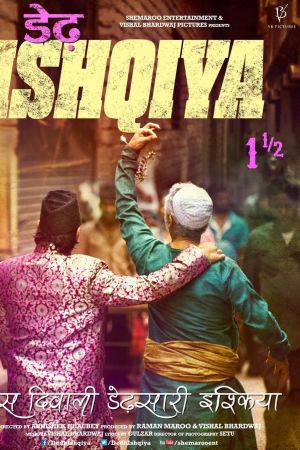
Collaboration Journey
A chronological view of Abhishek Chaubey & Vishal Bharadwaj's professional partnership
Actors and musicians who worked on most of their films
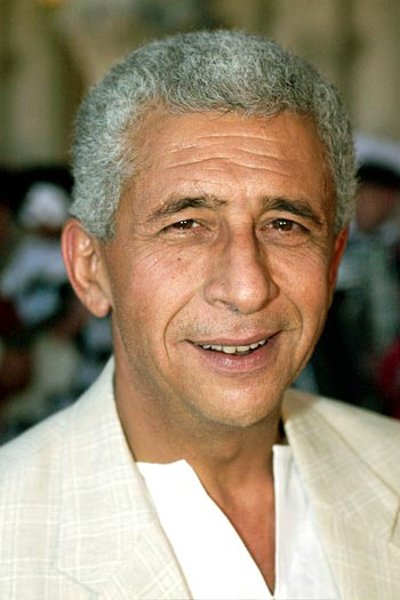
Naseeruddin Shah is the through-line — cast on 3 of their 3 films. Naseeruddin Shah appears alongside them in 3 films — practically a third lead.