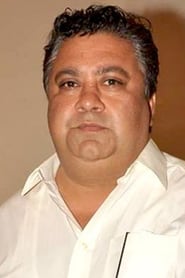
Manoj Pahwa
Manoj Pahwa is an Indian actor, best known for Tamil cinema. Manoj Pahwa began their career in 1996 and has been a prominent figure in the industry for over 30 years. With over 60 credits to their name, Manoj Pahwa remains one of the most prolific and celebrated talents in the industry. Spanning 30+ years, Manoj Pahwa's career remains one of the longest and most celebrated in Tamil cinema.
- Born
- Age
- 62
Biography
Manoj Pahwa is a Hindi cinema character actor born in New Delhi who built his career across stage, television, and film, debuting on TV with the landmark serial 'Hum Log' (1984) and in films with 'Tere Mere Sapne' (1996). He earned a Filmfare Award nomination for Best Supporting Actor and a Special Mention for his role as a corrupt police officer in Anubhav Sinha's 'Article 15' (2019), having previously appeared in 'Jolly LLB' (2013) as Pratap and 'Mulk' (2018). Pahwa is married to actress Seema Bhargava, with whom he co-starred in 'Hum Log', and the couple has collaborated on multiple productions over four decades. With over 70 films including 'Dedh Ishqiya' (2014), 'Dabangg 2' (2012), 'Mili' (2022), and 'Jigra' (2024), he remains one of Hindi cinema's most reliably employed supporting actors.
Career Milestones
Stage career foundation as a theatre actor in Hindi theatre in Delhi before transitioning to screen
Film debut
Breakthrough television role as Bhatia in the popular comedy series Office Office, which became one of his most iconic characters
Major Bollywood supporting role in the acclaimed courtroom drama Jolly LLB
View film →Critically recognized supporting role in the social drama Article 15, directed by Anubhav Sinha
View film →Iconic Roles
Article 15
A complicit local police officer who pleads with the IPS protagonist not to investigate caste-based crimes, embodying systemic apathy. One of his most praised dramatic performances.
Mulk
A Muslim patriarch caught in a communal storm after his family member is accused of terrorism, earning Pahwa the Filmfare Critics Award for Best Supporting Actor.
Office Office (TV Series)
A corrupt government clerk in the cult comedy series — his most iconic television role, which became synonymous with his identity as a character actor.
Jolly LLB
Key supporting role helping gather crucial video evidence that turns the courtroom case in the protagonist's favor.
Mili
Emotional anchor of the survival thriller, playing the desperate father of a girl trapped in a freezer, delivering a heartfelt dramatic performance.
Defining Moments
As Bhatia, the corrupt and bumbling office clerk navigating absurd bureaucratic hurdles in this iconic satirical TV series — his rubber-faced expressions and deadpan timing became a cultural touchstone for an entire generation of Indian viewers
His breakthrough role that established him as a master of comic timing; the character became synonymous with the frustrations of Indian bureaucracy and remains his most recognizable performance
As Pratap, Jolly's sardonic brother-in-law whose exasperated reactions and comic asides undercut the film's courtroom drama — his impeccable timing became one of the film's most quoted sources of relief in an otherwise tense social satire
A textbook example of how a skilled character actor elevates ensemble films; his scenes are among the most replayed for their comedic precision
View film →As Nawab Italwi, an eccentric Urdu poet held captive who hilariously claims Italian ancestry — his absurdist comedy and physical performance build to a twist where he's revealed as an undercover policeman, subverting audience expectations completely
Showcased his rare ability to blend broad comedy with a genuine plot pivot; the character is frequently cited as one of the most memorable supporting turns in the Ishqiya franchise
View film →As Bilaal Ali Mohammed, a Muslim patriarch whose family is torn apart by terrorism accusations — his quiet, dignified anguish in confronting a broken justice system earned him the Filmfare Critics Award for Best Supporting Actor
Demonstrated his dramatic range beyond comedy; critics widely cited this performance as proof that he is one of Bollywood's most underutilised character actors
As the corrupt local police official in this caste-discrimination thriller — his portrayal of institutional complicity opposite Ayushmann Khurrana won him the IIFA Award for Best Supporting Actor and brought him mainstream awards recognition
His most decorated film performance; the role anchored the film's critique of caste-based apathy within law enforcement and is his most-discussed dramatic work
View film →Manoj Pahwa by the Numbers
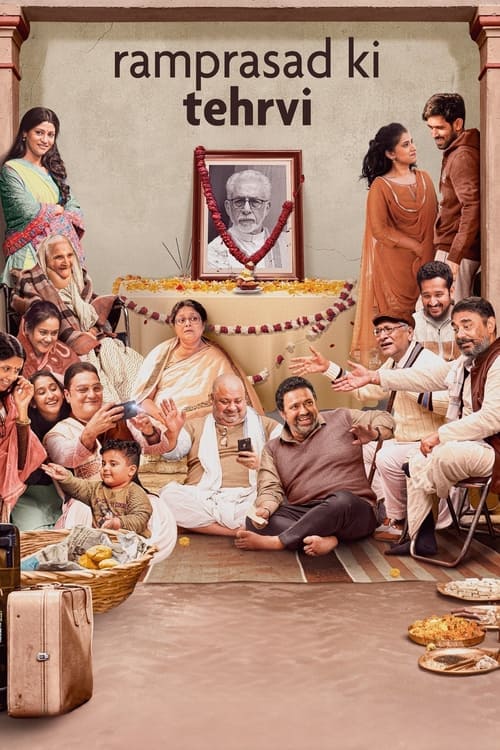
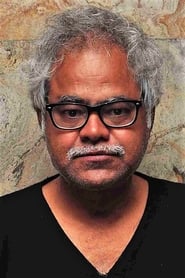
If you watched every Manoj Pahwa film back-to-back, you'd be at it for roughly 4 days and 2h. Most-paired with Sanjay Mishra — 5 films together.
Filmography
See all 60 credits →










Collaboration Network
The Constellation
Top 10 most-paired collaborators. Bubble size and line thickness reflect how many films they share with Manoj Pahwa.
Career Analytics
Genre Breakdown
Language Distribution
Films by Decade
Top Co-Actors
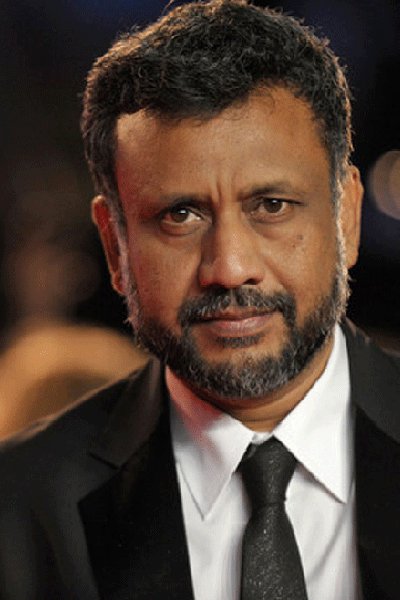
See all →Manoj Pahwa has worked most frequently with David Dhawan (2 films), Vijay Krishna Acharya (2 films), Ajai Sinha (2 films), Anubhav Sinha (2 films), and Robby Grewal (2 films).

Did You Know?
Manoj Pahwa is best known for his role as Bhatia in the popular TV comedy series 'Office Office' (2001).
He is a graduate of the National School of Drama (NSD), New Delhi, batch of 1989.
He is married to actress Seema Bhargava, who is also an NSD graduate.
He has frequently collaborated with director Anubhav Sinha in films like 'Mulk' (2018) and 'Article 15' (2019).
He began his acting career in theatre before transitioning to television and films.
Signature Dialogues
Daldal hai, sir. Mat ghusiye, sir. Ek baar ghus gaye toh nikal nahi paayenge.
Brahmadutt Singh·Article 15
Santulan mat bigadiye.
Brahmadutt Singh·Article 15
Legacy & Influence
Manoj Pahwa's career is a masterclass in the evolution of a character actor, transitioning from a familiar comedic face to a powerful dramatic performer, thereby expanding the scope and respect for supporting roles in Indian cinema. His early career in the 1990s and 2000s established him as a staple of Hindi television comedy, most indelibly through his role as the corrupt and hilarious clerk Bhatia in the cult classic series 'Office Office' (2001). This role made him a household name and cemented his ability to portray relatable, flawed, yet endearing common men with impeccable comic timing. For years, he was typecast in similar buffoonish or sidekick roles in numerous films. However, a significant and deliberate career pivot began in the 2010s, showcasing his remarkable range. His collaboration with director Anubhav Sinha proved transformative. In films like 'Mulk' (2018) and, most notably, 'Article 15' (2019), Pahwa delivered chillingly authentic performances as characters entrenched in systemic bigotry and corruption. His portrayal of the sinister, casteist police officer Bhramadatt in 'Article 15' was a landmark, earning critical acclaim for its nuanced malevolence and breaking his long-standing comic image. This shift demonstrated that veteran television comedians could possess profound dramatic depth, inspiring a reevaluation of such actors within the industry. Pahwa's contribution lies in his journey from being a beloved comic relief to becoming a serious dramatic force, thereby enriching narratives and proving that character actors are essential pillars for storytelling. He has paved the way for a more substantive recognition of performers who excel in supporting roles, influencing how such parts are written and perceived in contemporary Indian cinema.