Maru Piravi(1973)
Maru Piravi (1973) is a Tamil-language erotic thriller film directed by T. R. Ramanna. It stars R. Muthuraman as Elango and Manjula as Saratha. The story follows a college professor who marries a woman resembling his dead mother, triggering psychological conflict. The film is a remake of the 1971 Malayalam film Punarjanmam. It explores the Oedipus complex within a domestic drama. The supporting cast includes S. A. Ashokan, Nagesh, and Sukumari. Music was composed by T. R. Pappa with lyrics by Kannadasan. The film was produced by Vijaya & Suri Combines. It was released on 9 February 1973 with a runtime of 127 minutes.
Maru Piravi is streaming on Airtel Xstream Play and YouTube.
Where to watch:Quick Facts
- Streaming on
- Airtel Xstream Play, YouTube
- Theatrical Release
- 31 December 1973
- Director
- T. R. Ramanna
- Language
- Tamil
- Runtime
- 2h 7m 0
Storyline
A lonely college professor named Elango marries Saratha because she looks exactly like his dead mother. He cannot separate his wife from his mother's memory. His obsession threatens to destroy their marriage. Saratha must find a way to make him see her as a real person.
“He married his mother's ghost.”
Film Details
Parental Guide
Where to Watch
Vibe & Tags
Cast & Crew

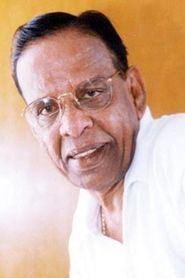
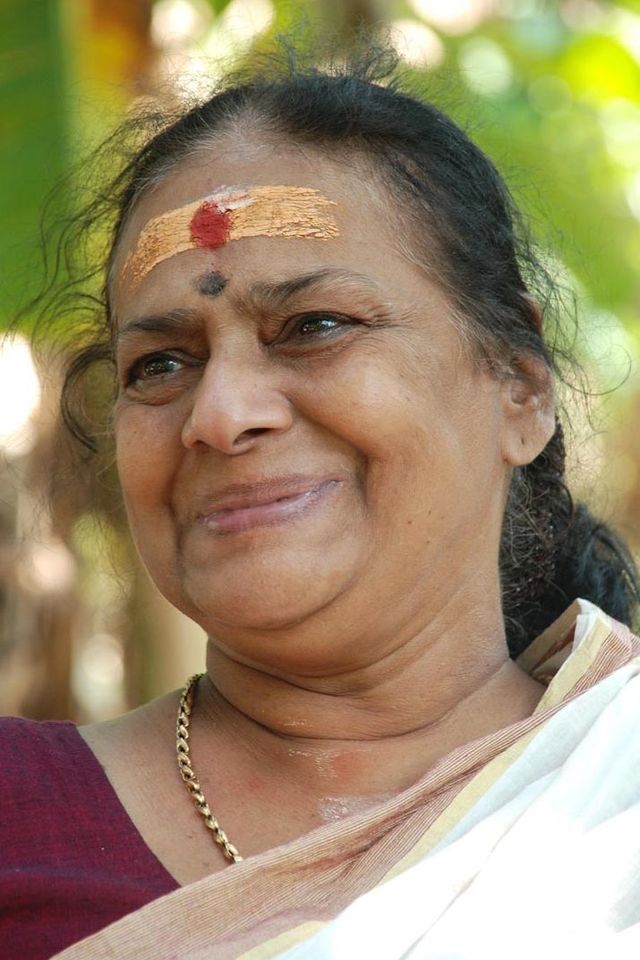
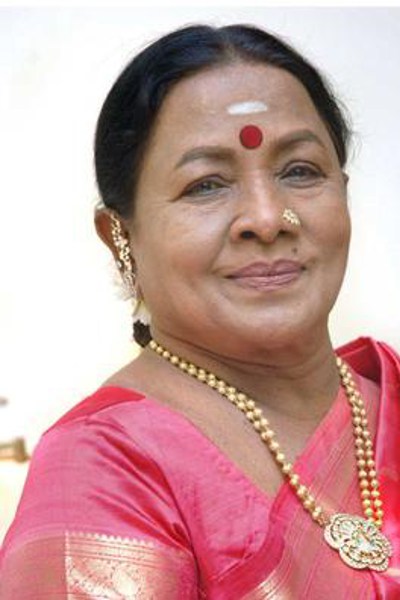
Reunion Meter
Frequent partnerships reunited for Maru Piravi
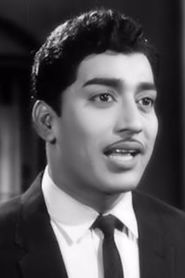
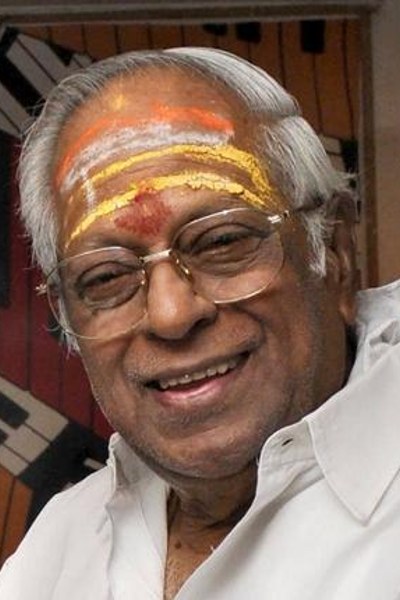
Cast reunions in this film: Nagesh & M. S. Viswanathan (108 films together), M. S. Viswanathan & R. Muthuraman (65 films together), M. S. Viswanathan & Manorama (63 films together), M. S. Viswanathan & Thengai Srinivasan (57 films together), Nagesh & R. Muthuraman (43 films together), and Nagesh & Manorama (39 films together).
Trivia
- The film was based on a popular Tamil stage play of the same name by K. Balachander.
- This was one of the earliest Tamil films to directly address the sensitive topic of male impotence.
- Director T. R. Ramanna was the father of famous actor Rajinikanth, who had not yet entered films.
- The film's music was composed by M. S. Viswanathan, with lyrics by Kannadasan.
- Lead actor Ravichandran was a major star in Kannada cinema and this was a rare Tamil appearance.
- The movie faced censorship challenges due to its bold subject matter for the time.
- It is considered a notable early example of a social problem film in 1970s Tamil cinema.