Kanne Pappa(1969)
Kanne Pappa is a 1969 Indian Tamil-language drama film directed by P. Madhavan. The film stars K. R. Vijaya in a dual role, alongside R. Muthuraman, Baby Rani, and J. P. Chandrababu. The story follows a poor orphan girl who finds a winning lottery ticket, causing her greedy relatives to feign affection for her. A kind-hearted man and a grieving woman who resembles the girl's mother step in to protect her. The film features music composed by M. S. Viswanathan with lyrics by Kannadasan. It was released on 6 June 1969 and received mixed reviews, though Baby Rani won the Tamil Nadu State Film Award for Best Child Artist. The film was later remade in Hindi as Aansoo Aur Muskan and in Telugu as Bhale Papa.
Kanne Pappa (1969) OTT release date is not officially announced yet — GudVibe tracks its streaming availability daily.
Where to watch:Quick Facts
- Theatrical Release
- 31 December 1969
- Director
- P. Madhavan
- Language
- Tamil
- Runtime
- 2h 21m 0
Storyline
A sweet orphan girl named Lakshmi finds a winning lottery ticket. Her greedy relatives, who ignored her before, suddenly pretend to love her to get the money. A kind stranger named Bhaskar and a woman who looks like her dead mother must protect her from their selfish schemes.
“When money talks, love hides”
Film Details
Parental Guide
Vibe & Tags
Cast & Crew


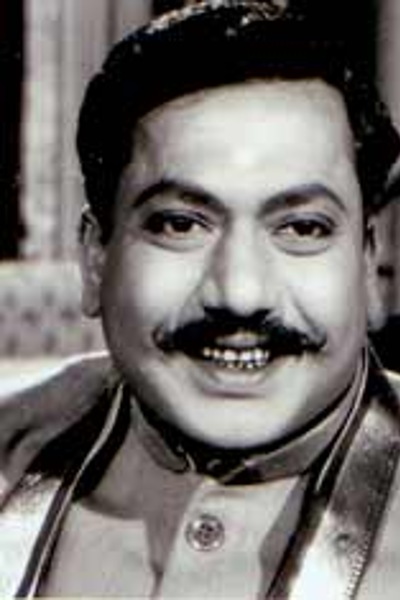
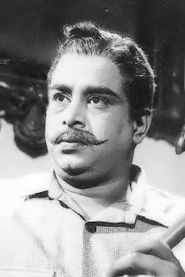
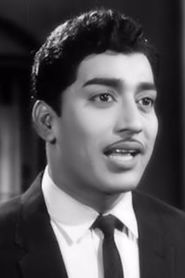
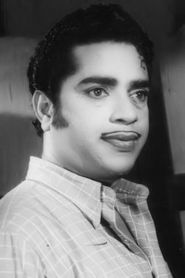
Reunion Meter
Frequent partnerships reunited for Kanne Pappa
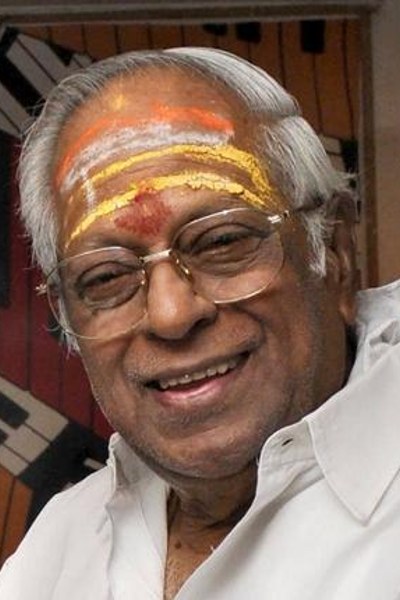
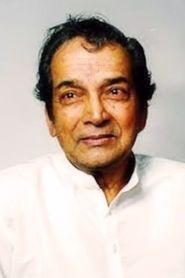
Cast reunions in this film: Nagesh & M. S. Viswanathan (108 films together), K. R. Vijaya & M. S. Viswanathan (69 films together), M. S. Viswanathan & R. Muthuraman (65 films together), M. S. Viswanathan & Manorama (63 films together), M. S. Viswanathan & Thengai Srinivasan (57 films together), and M. S. Viswanathan & Major Sundarrajan (54 films together).

Trivia
- The film's title 'Kanne Pappa' is a term of endearment in Tamil, roughly meaning 'darling baby'.
- This was one of the few films where actor Sivakumar played a supporting role early in his career, before becoming a leading star.
- The child artist who played Lakshmi, Baby Shanti, became popular for her emotional performances in several films of that era.
- Director P. Madhavan was known for social dramas, and this film continued his focus on family and societal themes.
- The movie's plot revolving around a lottery ticket reflected a common narrative device in late-1960s Tamil cinema to explore greed and family bonds.
- The music was composed by V. Kumar, who was a frequent collaborator with director P. Madhavan during this period.