Therthiruvizha(1968)
Therthiruvizha is a 1968 Indian Tamil-language drama film directed by M. A. Thirumugam. The film stars M. G. Ramachandran and Jayalalithaa in lead roles. The story follows Saravanan, a boatman whose sister is seduced and abandoned by a film director. Saravanan seeks justice for his family while protecting a woman from her abusive uncle. The film was shot in sixteen days and features a cameo by M. G. Ramachandran as himself. It received positive reviews for its emotional narrative and strong performances. The music was composed by K. V. Mahadevan. The film was released on 23 February 1968.
Quick Facts
- Streaming on
- YouTube
- Theatrical Release
- 31 December 1968
- Director
- M. A. Thirumugham
- Language
- Tamil 0
Storyline
Saravanan is a kind boatman who trusts everyone. He leaves his village to earn money for his sister's wedding. A film director seduces and abandons his sister. Saravanan must find the director and restore his family's honour.
“Honour is worth fighting for”
Film Details
Parental Guide
Where to Watch
Vibe & Tags
Cast & Crew
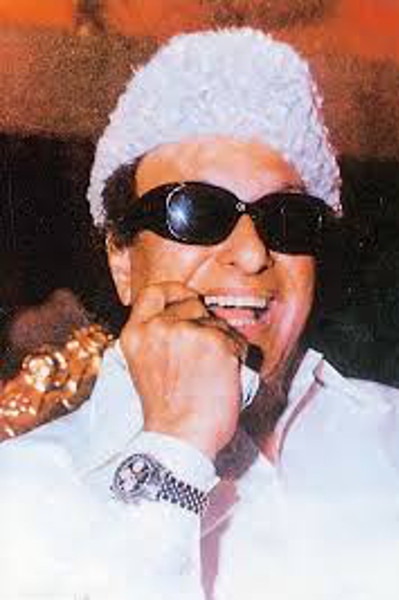
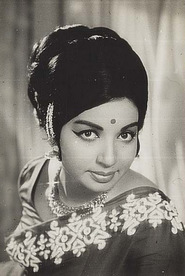
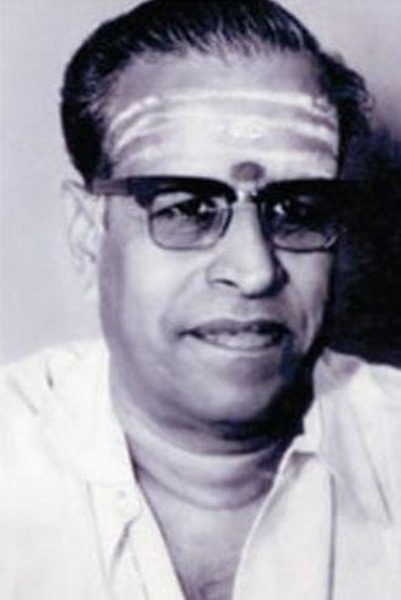
Reunion Meter
Frequent partnerships reunited for Therthiruvizha
Cast reunions in this film: K. V. Mahadevan & M. G. Ramachandran (31 films together), M. G. Ramachandran & Jayalalitha (26 films together), K. V. Mahadevan & M. A. Thirumugham (17 films together), K. V. Mahadevan & Jayalalitha (16 films together), K. V. Mahadevan & Devar films (16 films together), and Devar films & M. A. Thirumugham (15 films together).
Trivia
- This film was based on a popular Tamil stage play of the same name, which was already a hit with audiences.
- The movie's music was composed by the duo M. S. Viswanathan and T. K. Ramamoorthy, who were at the peak of their popularity.
- It was one of the early films to feature actor Sivakumar in a prominent supporting role, before he became a leading star.
- The story's focus on a brother's relentless search for his sister highlighted strong familial bonds, a common theme in M. A. Thirumugam's films.
- Despite being a drama, the film included elements of folklore and village life, typical of the studio era of Tamil cinema.
- The director, M. A. Thirumugam, was known for his efficient and fast-paced shooting style, which likely applied to this production.