Muqaddar Ka Faisla(1987)
Muqaddar Ka Faisla is a 1987 Indian Hindi-language action film directed by Prakash Mehra and produced by Yash Johar. The film stars Raaj Kumar, Raakhee, Raj Babbar, Meenakshi Seshadri, and Pran. The story follows Pandit Krishnakant, an honest priest who is framed for embezzlement and rape by wealthy villains. After his release from prison, he seeks revenge against the men who destroyed his life. The film explores themes of injustice, family, and faith. It was a moderate box office success. The music was composed by Bappi Lahiri. The film is available on DVD and streaming platforms.
Quick Facts
- Streaming on
- Netflix, Amazon Prime Video
- Theatrical Release
- 31 December 1987
- Director
- Prakash Mehra
- Language
- Hindi
- Runtime
- 2h 51m
- Rating
- 4.5/10
Storyline
An honest priest is framed for crimes he did not commit and sent to prison. When he is released, he finds his family gone and his life destroyed. He decides to take revenge on the powerful men who framed him. But he has no money, no friends, and no support. Can a broken man defeat the system that crushed him?
“Fate decides, but a man fights back.”
Film Details
Parental Guide
Where to Watch
Vibe & Tags
Cast & Crew
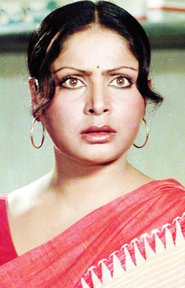
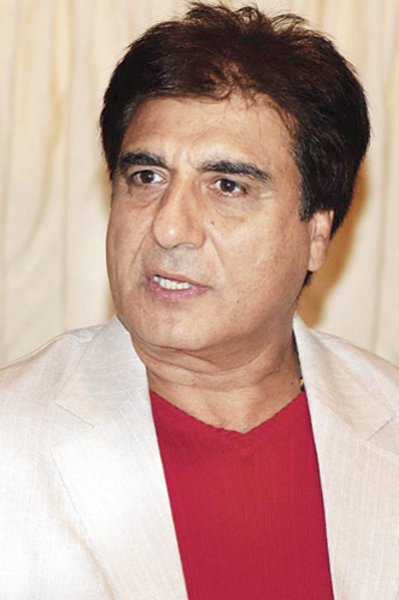
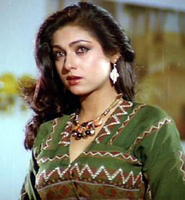
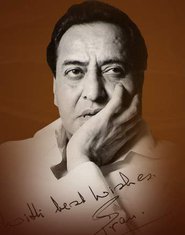
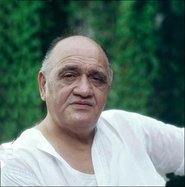
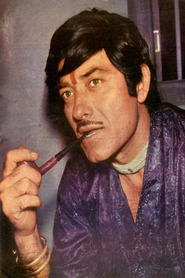
Reunion Meter
Frequent partnerships reunited for Muqaddar Ka Faisla
Cast reunions in this film: Meenakshi Seshadri & Meenakshi Sheshadri (23 films together), Raj Babbar & Meenakshi Sheshadri (8 films together), Pran & Tina Munim (7 films together), Meenakshi Seshadri & Raj Babbar (6 films together), Pran & Meenakshi Sheshadri (5 films together), and Pran & Prakash Mehra (4 films together).
Trivia
- The film was originally planned as a sequel to Prakash Mehra's hit 'Muqaddar Ka Sikandar' but became a standalone story.
- Actor Raj Babbar played the lead role, which was a departure from his usual 'angry young man' image of the 1980s.
- The movie's climax was shot in a real, historic courthouse to add authenticity to the legal drama.
- It features a cameo by veteran actor Ashok Kumar, who was a major star from the classic era of Hindi cinema.
- The soundtrack by Kalyanji-Anandji includes a devotional song that became popular on radio but not in the film itself.
- Despite Prakash Mehra's fame, the film did not perform well at the box office compared to his earlier successes.
- Some scenes were inspired by real-life stories of honest government clerks facing corruption, common in 1980s India.