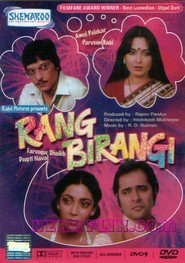
Rang Birangi(1983)
Rang Birangi (1983) is a 175-minute Hindi film directed by Hrishikesh Mukherjee. Starring Amol Palekar, Parveen Babi and Chhaya Devi. With a rating of 6.6/10 reflecting mixed audience reception from 1983.
Quick Facts
- Streaming on
- Amazon Prime Video, SonyLIV, YouTube
- Theatrical Release
- 23 April 1983
- Director
- Hrishikesh Mukherjee
- Language
- Hindi
- Runtime
- 2h 55m
- Rating
- 6.6/10
Storyline
A man tries to help his married friend reconnect with his wife, but his meddling causes unexpected complications for the couple, as well as for his own secretary and her boyfriend.
“A friend's meddling turns love lives upside down.”
Film Details
Parental Guide
Where to Watch
Vibe & Tags
Cast & Crew




Reunion Meter
Frequent partnerships reunited for Rang Birangi
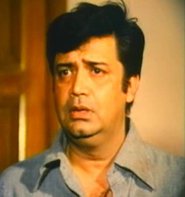
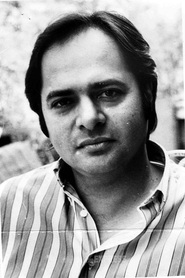
Cast reunions in this film: Farooq Sheikh & Farooq Shaikh (13 films together), Deepti Naval & Farooq Sheikh (6 films together), Deepti Naval & Farooq Shaikh (5 films together), Amol Palekar & Utpal Dutt (5 films together), Hrishikesh Mukherjee & Deven Verma (4 films together), and Amol Palekar & Hrishikesh Mukherjee (3 films together).

Trivia
- The film's title 'Rang Birangi' is a playful reference to the 1973 film 'Rang Birangi' starring Amitabh Bachchan, which itself was a remake of the Hollywood film 'Cactus Flower'.
- Hrishikesh Mukherjee originally considered casting Rajesh Khanna for the lead role, but ultimately chose Amol Palekar for his everyman charm.
- The film features a meta-reference where characters discuss the plot of Mukherjee's own earlier hit, 'Gol Maal' (1979), starring Amol Palekar.
- Deepti Naval's character Anita is named after the actress Anita Raaj, who was considered for the role before Naval was finalized.
- The movie includes a scene parodying the famous 'bench scene' from the classic film 'Mughal-e-Azam', a common trope in Mukherjee's comedies.
- This was one of the few films where Parveen Babi, known for glamorous roles, played a more subdued, character-driven part.
- The soundtrack by R.D. Burman includes the song 'Ae Ri Pawan', which uses a melody adapted from a traditional Bengali folk tune.