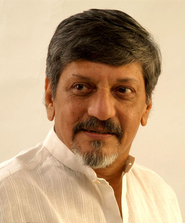
Amol Palekar
Amol Palekar is an Indian actor, best known for Tamil cinema. Amol Palekar began their career in 1979 and has been a prominent figure in the industry for over 47 years. With 30 credits to their name and an average audience rating of 6.1, Amol Palekar remains one of the most prolific and celebrated talents in the industry. Spanning 40+ years, Amol Palekar's career remains one of the longest and most celebrated in Tamil cinema.
- Born
- Age
- 81
Career Milestones
Film debut
View film →Highest rated: Gol Maal (8.0)
View film →Iconic Roles
Gol Maal
A young man who creates a twin brother to keep his job, leading to a series of comic misunderstandings.
Baton Baton Mein
A shy, middle-class Bombay boy navigating a tentative romance arranged through family connections.
Naram Garam
A mild-mannered man who becomes entangled in a comedic property dispute within a joint family.
Defining Moments
Breakthrough with 'Gol Maal'
The massive success of 'Gol Maal' cemented his status as a leading comic actor in Hindi cinema.
Directorial Debut
Made his directorial debut with the Marathi film 'Akriet', transitioning into filmmaking.
National Film Award
Received the National Film Award for Best Feature Film in Hindi for directing 'Dhyaas Parva'.
Amol Palekar by the Numbers
If you watched every Amol Palekar film back-to-back, you'd be at it for roughly 2 days and 17h. Most-paired with Utpal Dutt — 6 films together.
Filmography
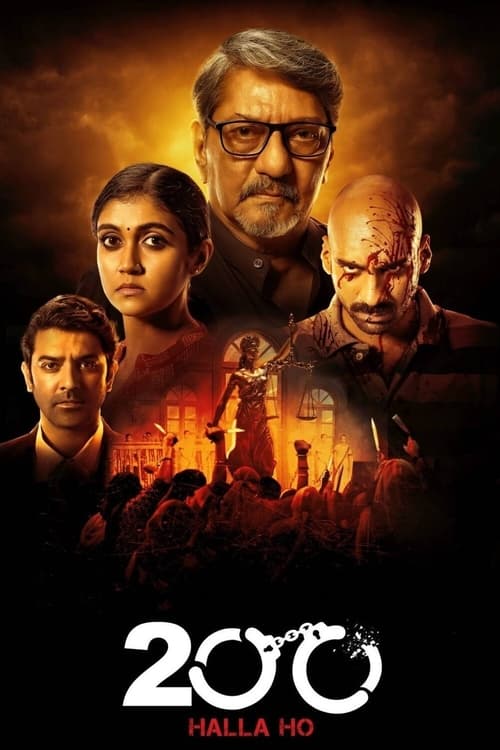
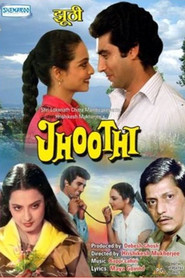
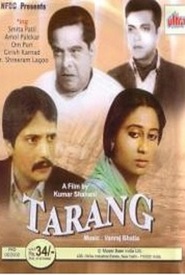
See all 30 credits →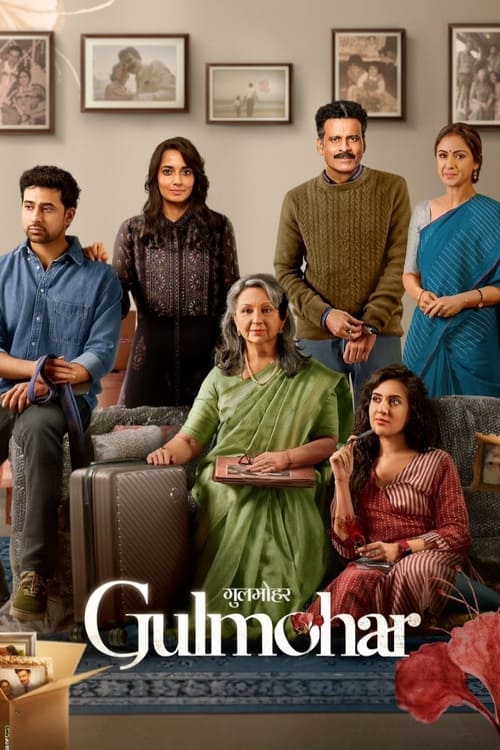
Collaboration Network
The Constellation
Top 10 most-paired collaborators. Bubble size and line thickness reflect how many films they share with Amol Palekar.
Career Analytics
Genre Breakdown
Language Distribution
Films by Decade
Top Co-Actors
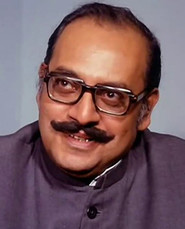
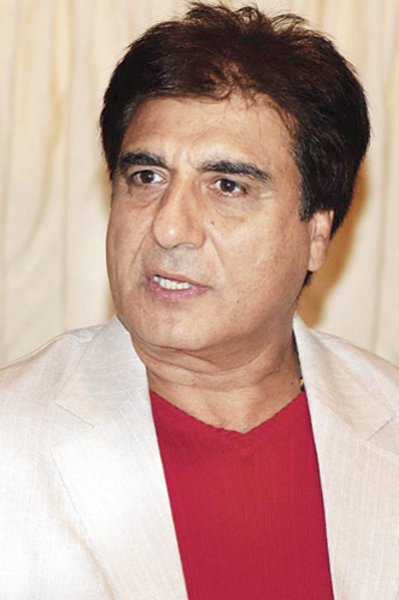
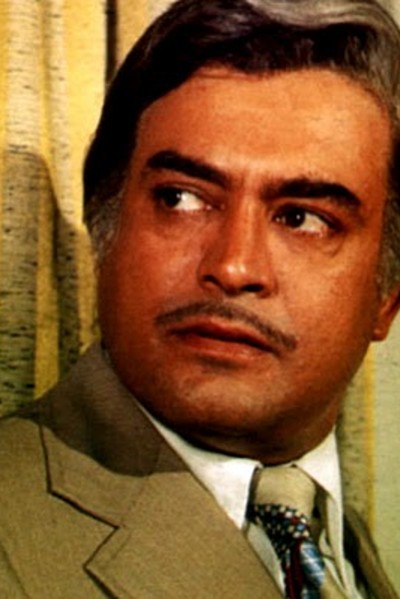
See all →Amol Palekar has worked most frequently with Hrishikesh Mukherjee (4 films), Basu Chatterjee (4 films), Utpal Dutt (6 films), Rekha (5 films), and Shabana Azmi (4 films).



Did You Know?
Amol Palekar began his career as a painter and held several exhibitions before entering films.
He is known for portraying the 'common man' in Hindi cinema during the 1970s and 1980s.
He made his directorial debut with the Marathi film 'Akriet' in 1981.
He was a prominent actor in the 'middle cinema' movement, often collaborating with directors like Basu Chatterjee and Hrishikesh Mukherjee.
He received the National Film Award for Best Feature Film in Hindi for directing 'Dhyaas Parva' in 2001.
Legacy & Influence
Amol Palekar is a pivotal figure in Indian cinema, renowned for ushering in a new wave of relatable, middle-class protagonists during the 1970s and 80s. His career trajectory is marked by a deliberate shift from the theatrical to the cinematic, where he became the archetypal 'common man' in the films of directors like Hrishikesh Mukherjee and Basu Chatterjee. In an era dominated by larger-than-life heroes, Palekar's understated, naturalistic acting style and everyman persona resonated deeply with urban audiences. His performances in classics such as 'Gol Maal', 'Chhoti Si Baat', 'Rajnigandha', and 'Baton Baton Mein' redefined the romantic comedy and social drama genres, focusing on everyday dilemmas, aspirations, and humor. His collaboration with these directors solidified the 'middle cinema' movement, which successfully bridged the gap between art-house and mainstream commercial films. Beyond acting, Palekar's contribution expanded significantly when he transitioned to directing. As a filmmaker, he tackled bold, socially relevant themes often overlooked by mainstream cinema. Films like 'Akriet', 'Dhyaas Parva', and 'Paheli' demonstrate his commitment to exploring complex issues of gender, mythology, and social injustice, albeit with varying commercial success. His directorial work, though sometimes facing distribution challenges, is noted for its artistic integrity and willingness to experiment with narrative form. Palekar's legacy is thus dual-faceted: as an actor, he democratized the Hindi film hero, and as a director, he persistently used the medium for thoughtful social commentary, ensuring his enduring influence on parallel and meaningful cinema in India.