Ashwini Bhave
Ashwini Bhave is an Indian actor, best known for Tamil cinema. Ashwini Bhave began their career in 1987. With 30 credits to their name, Ashwini Bhave remains one of the most prolific and celebrated talents in the industry. Ashwini Bhave is one of the most closely watched talents of their generation, with a rapidly growing body of acclaimed work.
Career Milestones
Film debut
View film →Highest rated: Henna (6.8)
View film →Iconic Roles
Rajlakshmi
Played the titular role in this Marathi film that established her as a leading actress.
Henna
Portrayed the female lead in this cross-border romantic drama, gaining national recognition.
Jurmana
Starred in this family drama film alongside Anil Kapoor.
Defining Moments
Debut in 'Rajlakshmi'
Her debut Marathi film 'Rajlakshmi' was a critical and commercial success, launching her career.
Breakthrough in Hindi cinema with 'Henna'
Her role in 'Henna' opposite Rishi Kapoor brought her widespread fame in Bollywood.
Filmfare Award win
Won the Filmfare Best Actress Award (Marathi) for 'Sarkarnama', marking a high point in her Marathi film career.
Ashwini Bhave by the Numbers
If you watched every Ashwini Bhave film back-to-back, you'd be at it for roughly 1 day and 18h. Most-paired with Anupam Kher — 3 films together.
Filmography
See all 30 credits →Collaboration Network
The Constellation
Top 10 most-paired collaborators. Bubble size and line thickness reflect how many films they share with Ashwini Bhave.
Career Analytics
Genre Breakdown
Language Distribution
Films by Decade
Top Co-Actors
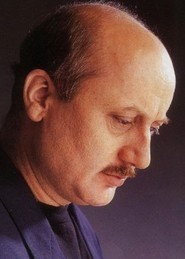
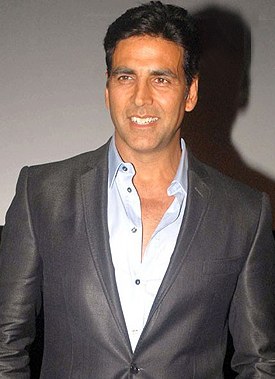
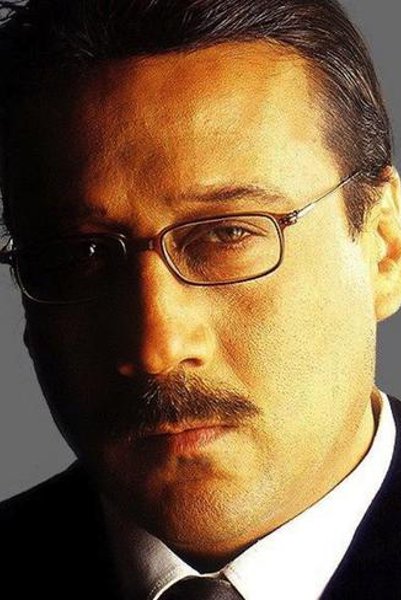
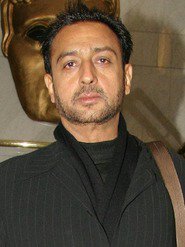
See all →Ashwini Bhave has worked most frequently with Anupam Kher (3 films), Akshay Kumar (3 films), Jackie Shroff (2 films), Sunil Shetty (2 films), and Gulshan Grover (2 films).




Did You Know?
Ashwini Bhave started her acting career in Marathi cinema before transitioning to Hindi films.
She won the Filmfare Best Actress Award (Marathi) for her role in the film 'Sarkarnama' (1998).
Ashwini Bhave took a break from acting after her marriage and later returned to work in television and Marathi cinema.
She is known for her performances in socially relevant films and family dramas during the 1990s.
Ashwini Bhave has also worked as a producer and presenter for television shows.
Legacy & Influence
Ashwini Bhave is a respected actress whose career in Hindi and Marathi cinema is marked by a graceful screen presence and a versatile acting range. She made a notable entry into Hindi films with the critically acclaimed 'Henna' (1991), where her portrayal was pivotal to the film's cross-cultural narrative, earning her significant recognition. This was followed by a series of performances in the early to mid-1990s, including roles in films like 'Parampara' (1992) and 'Ekka Raja Rani' (1994), where she often embodied traditional, strong-willed female characters. Her work in 'Jurmana' (1996) further demonstrated her ability to handle complex emotional roles. Beyond Hindi cinema, Ashwini Bhave has had a profound and enduring impact in Marathi cinema and television, where she is regarded as a leading figure. Her contributions to Marathi theatre and television, including acclaimed productions and serials, have solidified her status as a versatile performer deeply connected to her cultural roots. She successfully transitioned into production and direction for Marathi television, showcasing her multifaceted talent behind the camera. Her career trajectory—from a Hindi film heroine to a stalwart in Marathi entertainment—highlights a deliberate choice to engage deeply with regional storytelling while maintaining a pan-Indian appeal through her earlier work. She is recognized for choosing roles that often portrayed women with dignity and substance, contributing to a broader representation of Indian women on screen during her active years in cinema.