Kalpataru
Kalpataru is an Indian director, best known for Tamil cinema. Kalpataru began their career in 1985. With 30 credits to their name, Kalpataru remains one of the most prolific and celebrated talents in the industry. Kalpataru is one of the most closely watched talents of their generation, with a rapidly growing body of acclaimed work.
Career Milestones
Film debut
View film →Highest rated: Bade Ghar Ki Beti (6.6)
View film →Kalpataru by the Numbers
If you watched every Kalpataru film back-to-back, you'd be at it for roughly 1 day and 6h. Most-paired with Kader Khan — 6 films together.
Filmography
See all 30 credits →Collaboration Network
The Constellation
Top 10 most-paired collaborators. Bubble size and line thickness reflect how many films they share with Kalpataru.
Career Analytics
Language Distribution
Films by Decade
Top Co-Actors
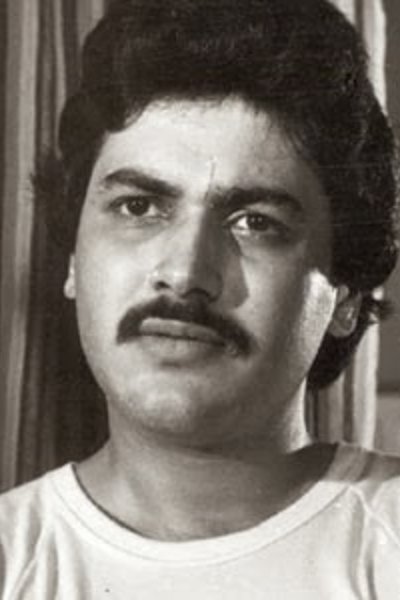
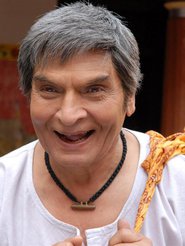
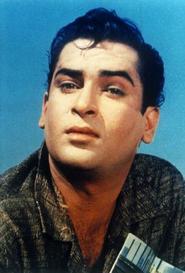
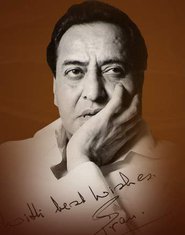
See all →Kalpataru has worked most frequently with Kader Khan (6 films), Meenakshi Sheshadri (5 films), Meenakshi Seshadri (4 films), Raj Kiran (4 films), and Rishi Kapoor (3 films).





Legacy & Influence
Kalpataru is a recognized name in the Indian film industry, primarily associated with the art of cinematography. His career trajectory is defined by a significant body of work in Bengali cinema, where he established himself as a cinematographer of considerable skill and artistic vision. His contributions are most notably linked to his collaborations with acclaimed director Rituparno Ghosh, a partnership that produced several critically celebrated films. Kalpataru's cinematography in Ghosh's works, such as 'Dahan' (1997) and 'Asukh' (1999), is often cited for its nuanced visual storytelling, which masterfully complemented the films' intense emotional and social narratives. His lighting and framing were instrumental in creating the intimate, psychologically charged atmosphere that became a hallmark of Ghosh's cinema during that period. Beyond this pivotal collaboration, Kalpataru also lent his expertise to other notable filmmakers, including Aparna Sen, for whom he shot 'Paromitar Ek Din' (2000). His style is characterized by a restrained elegance and a deep sensitivity to character and milieu, moving away from overt stylization to serve the story. Through his work, Kalpataru played a key role in shaping the visual language of a significant wave of parallel Bengali cinema in the late 1990s and early 2000s, films that gained national recognition for their content and craftsmanship. His cinematography did not merely record scenes but actively interpreted them, using light, shadow, and composition to reveal subtext and emotional depth. This artistic contribution has left a lasting imprint, influencing subsequent cinematographers in regional and national cinema who aspire to a more authored and narrative-driven visual approach. While not a ubiquitous mainstream figure, his legacy is firmly cemented within the canon of artistically serious Indian cinema, particularly for elevating the role of the cinematographer as a crucial narrative collaborator in auteur-driven filmmaking.