Dilip Dhawan
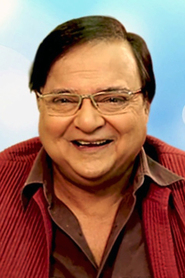
Dilip Dhawan is an Indian actor, best known for Tamil cinema. Dilip Dhawan began their career in 1980. With 30 credits to their name, Dilip Dhawan remains one of the most prolific and celebrated talents in the industry. Spanning 40+ years, Dilip Dhawan's career remains one of the longest and most celebrated in Tamil cinema.
Career Milestones
Film debut
View film →Highest rated: Virasat (7.6)
View film →Dilip Dhawan by the Numbers
If you watched every Dilip Dhawan film back-to-back, you'd be at it for roughly 23 hours. Most-paired with Mushtaq Khan — 2 films together.
Filmography
See all 30 credits →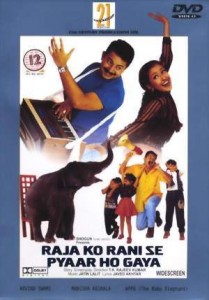
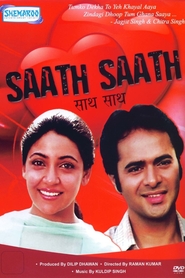
Collaboration Network
The Constellation
Top 5 most-paired collaborators. Bubble size and line thickness reflect how many films they share with Dilip Dhawan.
Career Analytics
Language Distribution
Films by Decade
Top Co-Actors
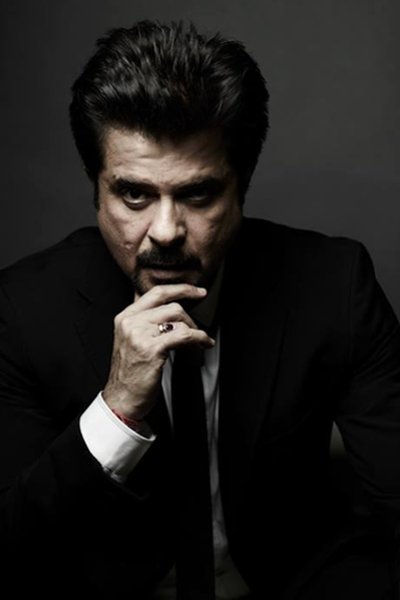
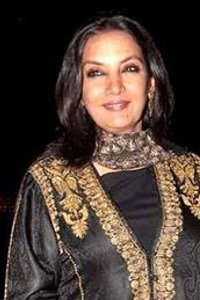
See all →Dilip Dhawan has worked most frequently with Mushtaq Khan (2 films), Anil Kapoor (2 films), Shabana Azmi (2 films), Rakesh Bedi (2 films), and Sulabha Deshpande (2 films).

Legacy & Influence
Dilip Dhawan is a lesser-known figure in the vast landscape of Indian cinema, with a filmography that includes roles in the 1990s. His known work consists of appearances in films like 'Madhosh' (1994) and 'Badmaash' (1998), both of which were modestly rated productions. Given the limited public information and documentation about his career, it is challenging to delineate a specific trajectory or a distinct artistic contribution. He appears to have operated within the supporting actor space during an era when the Indian film industry was undergoing significant commercial and stylistic shifts. Without verified details on the nature of his roles, critical reception, or collaborations with major filmmakers, his direct impact on cinematic trends or techniques remains unclear. His career serves as an example of the many working actors who form the essential backbone of the industry, contributing to the completion of films but often remaining outside the spotlight of mainstream recognition or historical chronicling. In the absence of substantive evidence regarding awards, pioneering work, or mentorship, his legacy is best understood as a part of the broader, collective effort of countless performers in Bollywood's expansive ecosystem.