Manmohan Singh
Manmohan Singh is an Indian cinematographer, best known for Tamil cinema. Manmohan Singh began their career in 1979. With 30 credits to their name, Manmohan Singh remains one of the most prolific and celebrated talents in the industry. Spanning 40+ years, Manmohan Singh's career remains one of the longest and most celebrated in Tamil cinema.
Career Milestones
Film debut
View film →Highest rated: Maachis (8.0)
View film →Manmohan Singh by the Numbers
If you watched every Manmohan Singh film back-to-back, you'd be at it for roughly 1 day and 1h. Most-paired with Anupam Kher — 6 films together.
Filmography
See all 30 credits →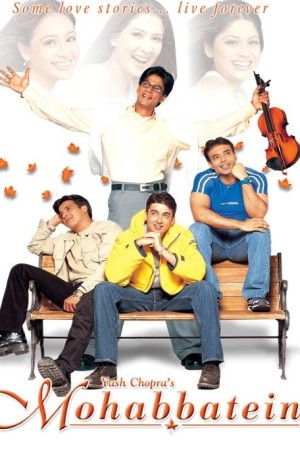

Collaboration Network
The Constellation
Top 10 most-paired collaborators. Bubble size and line thickness reflect how many films they share with Manmohan Singh.
Career Analytics
Language Distribution
Films by Decade
Top Co-Actors
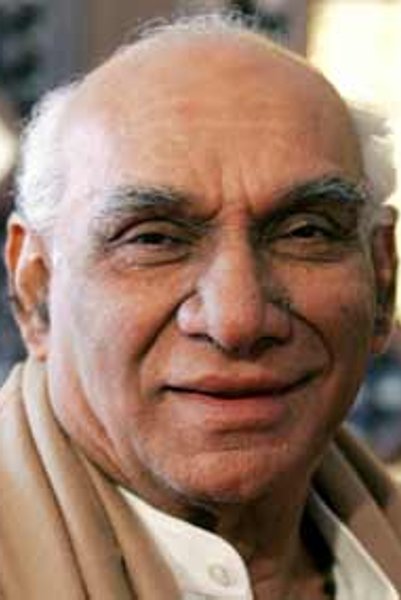
See all →Manmohan Singh has worked most frequently with Yash Chopra (2 films), Anupam Kher (6 films), Shahrukh Khan (3 films), Sunny Deol (3 films), and Dina Pathak (3 films).









Legacy & Influence
Manmohan Singh is a pioneering figure in Indian cinema, renowned as one of the most influential cinematographers in the history of Hindi film. His career, which spanned from the 1960s through the 1990s, is defined by a revolutionary visual style that fundamentally shaped the aesthetics of Bollywood. Singh is celebrated for his mastery of color, light, and composition, bringing a painterly quality and technical sophistication to mainstream cinema. His most iconic and enduring collaboration was with director Yash Chopra, a partnership that defined the visual language of the modern Hindi romantic film. Singh's cinematography for classics like "Chandni" (1989), "Lamhe" (1991), "Darr" (1993), and "Dilwale Dulhania Le Jayenge" (1995) created a lush, aspirational, and emotionally resonant world. His work on these films established the archetype of the picturesque, European-shot song sequence and the glamorous, soft-lit close-up, which became industry standards. Beyond romance, he demonstrated remarkable versatility in films like the gritty crime drama "Trishul" (1978) and the intense family saga "Kabhi Kabhie" (1976). His technical innovations, particularly in capturing the vibrancy of costumes and locales, and his ability to use visuals to amplify narrative emotion, left an indelible mark. Manmohan Singh's legacy is that of an artist who elevated cinematography from a technical craft to a central storytelling element, influencing generations of directors and cinematographers who followed. His visual poetry remains the gold standard for cinematic romance in India.