
Anuya Bhagvath
Anuya Bhagvath is an Indian actor, best known for Tamil cinema. Anuya Bhagvath began their career in 2009 and has been a prominent figure in the industry for over 17 years. With 30 credits to their name and an average audience rating of 6.8, Anuya Bhagvath remains one of the most prolific and celebrated talents in the industry. Spanning 10+ years, Anuya Bhagvath's career remains one of the longest and most celebrated in Tamil cinema.
- Born
- Age
- 36
Biography
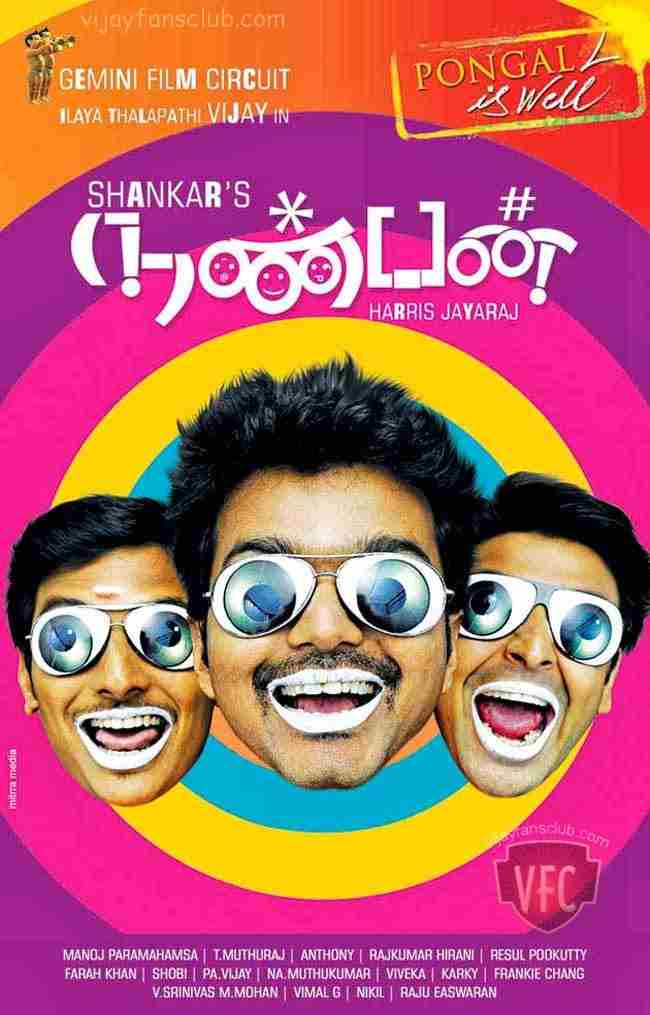
Anuya Bhagvath is an Indian actress primarily known for her work in Tamil cinema, born on 6 September 1989 in Dubai, UAE, and trained at the Film and Television Institute of India in Pune. Her breakthrough came with the Tamil romantic comedy Siva Manasula Sakthi (2009), directed by Rajesh M. Geetha and starring Jiiva, which became a commercially successful cult film in Tamil cinema. She went on to appear in Nanban (2012), directed by Shankar, and Naan (2012) alongside Vijay Antony, as well as Nagaram Marupakkam (2010) and Viyuham (2022). In 2017, she participated in the first season of Bigg Boss Tamil, becoming the first contestant evicted from the show.
Career Milestones
Feature film debut in Hindi children's film Mahek, premiered at London Film Festival
Film debut in Tamil cinema with Siva Manasula Sakthi
View film →Appeared in Shankar's Tamil blockbuster remake of 3 Idiots
View film →Participated in Bigg Boss Tamil Season 1
Iconic Roles
Siva Manasula Sakthi
A high-profile Radio Jockey with Hello FM who initially deceives the male lead by claiming to be an air hostess. Anuya's Tamil debut and most iconic role, earning her a Vijay Award nomination for Best Debut Actress in a cult-status blockbuster.
Madurai Sambavam
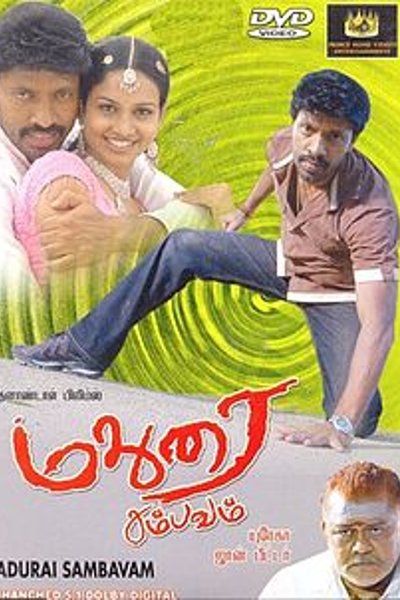
A deglamorised police officer who falls for a rowdy. Her most critically praised performance, noted for bringing strong emotion and realism to the role.
Nanban
The elder pregnant sister of the female lead, whose dramatic labour during a storm becomes a key plot moment in this Tamil remake of 3 Idiots.
Defining Moments
Playing the titular role of Sakthi — a vivacious, fun-loving girl who is the love interest of Jiiva's character — including her comedic chemistry with Santhanam and emotional scenes that anchored the film's heart
This was her breakthrough role in Tamil cinema. The film became a cult romantic comedy and Anuya's performance as Sakthi is what put her on the map. Her natural charm and comic timing opposite Jiiva were widely praised and remain her most-remembered work.
View film →Deglamorised performance as a fierce cop who falls for the rowdy protagonist — bringing grit and emotional realism to a role that defied the typical heroine mold
Critics specifically singled out this performance as proof of her acting range. Sify's review called her 'an actress of substance' for bringing emotion and reality to a physically and dramatically demanding role.
View film →Playing Bharathi in this action comedy, holding her own in a Sundar C directorial with a strong supporting cast
The film demonstrated her ability to sustain a lead role in mainstream commercial Tamil cinema following her Siva Manasula Sakthi success, consolidating her position as a reliable leading lady.
View film →Portraying Swetha Santhanam, the emotional anchor in the friend group, in the Tamil remake of 3 Idiots directed by Shankar
Being part of a Shankar blockbuster (₹100 crore+ gross) that dominated Tamil cinema in 2012 elevated her profile. Her role added warmth to the ensemble's friendship dynamics in a widely watched film.
View film →Anuya Bhagvath by the Numbers
If you watched every Anuya Bhagvath film back-to-back, you'd be at it for roughly 16 hours. Most-paired with Aadukalam Naren — 2 films together.
Filmography
See all 30 credits →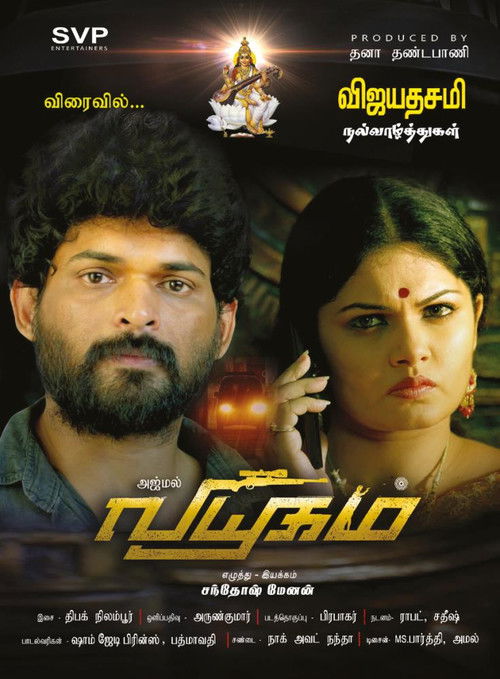
Collaboration Network
The Constellation
Top 5 most-paired collaborators. Bubble size and line thickness reflect how many films they share with Anuya Bhagvath.
Career Analytics
Genre Breakdown
Language Distribution
Films by Decade
Top Co-Actors
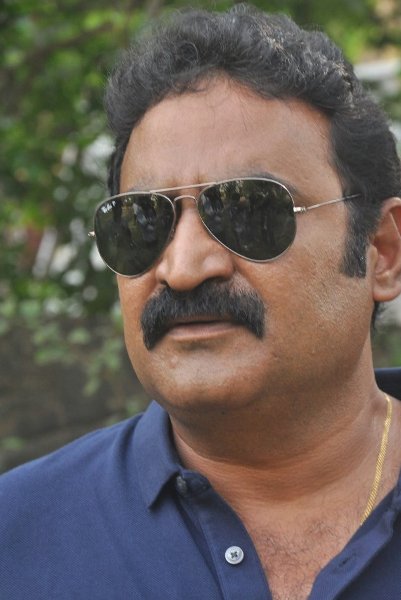
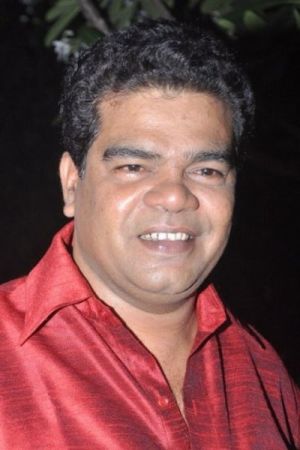
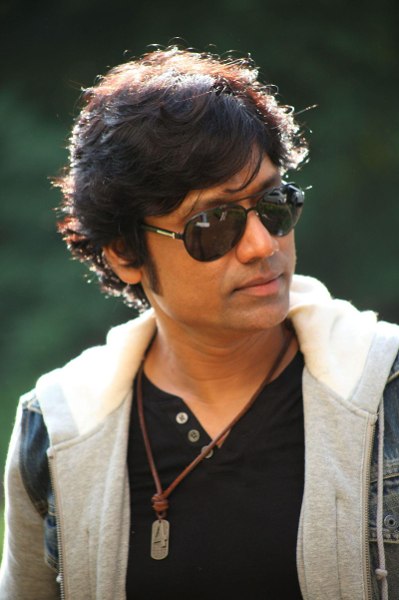
See all →Anuya Bhagvath has worked most frequently with Aadukalam Naren (2 films), Jiiva (2 films), Sundar C. (2 films), Ponnambalam (2 films), and S. J. Surya (2 films).


Did You Know?
Anuya Bhagvath is a model turned actress who primarily works in Tamil cinema.
She made her acting debut in the 2009 romantic comedy film 'Siva Manasula Sakthi'.
She played the female lead role of Sakthi opposite actor Jai in 'Siva Manasula Sakthi'.
She appeared in the 2012 Tamil remake of the Hindi film '3 Idiots', titled 'Nanban', directed by S. Shankar.
In 'Nanban', she played the role of Swetha Santhanam, the love interest of the character played by Vijay.
Photos
See all →



News & Stories
Charming stills of Anuya Bhagvath!
16/6/2023
Legacy & Influence
Anuya Bhagvath entered the Tamil film industry in the late 2000s, a period marked by a blend of established stars and fresh talent. Her debut in the romantic comedy 'Siva Manasula Sakthi' (2009) as the female lead, Sakthi, immediately positioned her as a promising newcomer. The film's success and her portrayal of a spirited, modern character resonated with audiences, showcasing her ability to handle a mainstream lead role with charm. This was followed by 'Nagaram Marupakkam' (2010), where she played Bharathi, further cementing her presence in the industry. Her career trajectory included roles in significant films like the Vijay-starrer 'Nanban' (2012), a high-profile remake of '3 Idiots', where she played Swetha, and the psychological thriller 'Naan' (2012). While her filmography is not extensive, her work during this period contributed to the landscape of Tamil cinema by representing a cohort of actresses who brought a contemporary sensibility to commercial and genre films. Her performances, particularly in her early hits, are remembered for their natural ease and relatability. After a hiatus, her return in 'Viyuham' (2022) demonstrated a continued connection to the industry. Anuya Bhagvath's contribution lies in her memorable roles in successful films that defined a specific era of Tamil cinema, leaving an imprint as a familiar and likable screen presence for audiences of that time.