Kalanjiyam
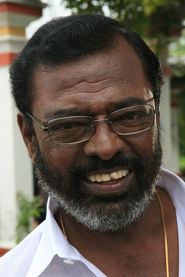
Kalanjiyam is an Indian director, best known for Tamil cinema. Kalanjiyam began their career in 1996 and has been a prominent figure in the industry for over 30 years. With 30 credits to their name, Kalanjiyam remains one of the most prolific and celebrated talents in the industry. Spanning 30+ years, Kalanjiyam's career remains one of the longest and most celebrated in Tamil cinema.
- Born
- Age
- 65
Biography
Kalanjiyam is a Tamil film director, writer, and producer who began his career as a freelance writer and assistant director under filmmakers Vasanth and C. Ranganathan before making his directorial debut with Poomani (1996). His debut film won the Tamil Nadu State Film Award for Best Story Writer in 1996, featuring actors Murali and Devayani in a critically acclaimed rural drama. His films consistently explore village life, family dynamics, and social issues — often set in rural Tamil Nadu — with recurring collaborations with actress Devayani and themes of inter-caste conflict and gender roles. He returned to direction after over a decade with Munthirikkaadu (2023), a period crime thriller adapted from Imayam's short story 'Pethavan', starring Seeman and Pugazh Mahendran.
Career Milestones
Directorial debut with Poomani, a critically acclaimed rural drama
View film →Won Tamil Nadu State Film Award for Best Story Writer
View film →Directed Kizhakkum Merkkum, a family drama starring Napoleon and Devayani that received positive reviews
View film →Comeback directorial venture after a long hiatus with rural crime thriller Munthiri Kaadu
View film →Defining Moments
The film's central emotional pivot where Vijaya, who initially despises Poomani for being a substitute groom, gradually softens and accepts him — a nuanced portrayal of reluctant love in a forced marriage setting in rural Tamil Nadu.
Kalanjiyam's debut won the Tamil Nadu State Film Award for Best Story Writer. This emotional arc became his signature — complex rural relationships told with restraint and authenticity, establishing him as a distinct voice in Tamil village cinema.
View film →The film's unflinching depiction of a woman trapped in a marriage to an alcoholic and promiscuous husband, and her brother's struggle to confront this injustice without resorting to melodrama — a grounded, feminist narrative rare for its time.
Won the Tamil Nadu State Film Award for Best Film Portraying Woman in Good Light. The film's restrained treatment of male chauvinism and its impact on women was widely noted by critics as socially significant and ahead of its time in Tamil rural cinema.
View film →The climactic revelation of the honor killing and its perpetrators in a rural village, adapted from Imayam's short story 'Pethavan', exposing the brutal social enforcement of caste endogamy against an inter-caste couple.
Kalanjiyam's return to direction after over two decades tackled caste-based honor killings head-on. Critics praised its raw, unflinching depiction of rural Tamil Nadu's caste violence, cementing his reputation for socially engaged cinema.
View film →Kalanjiyam by the Numbers
If you watched every Kalanjiyam film back-to-back, you'd be at it for roughly 16 hours. Most-paired with Devayani — 4 films together.
Filmography
See all 30 credits →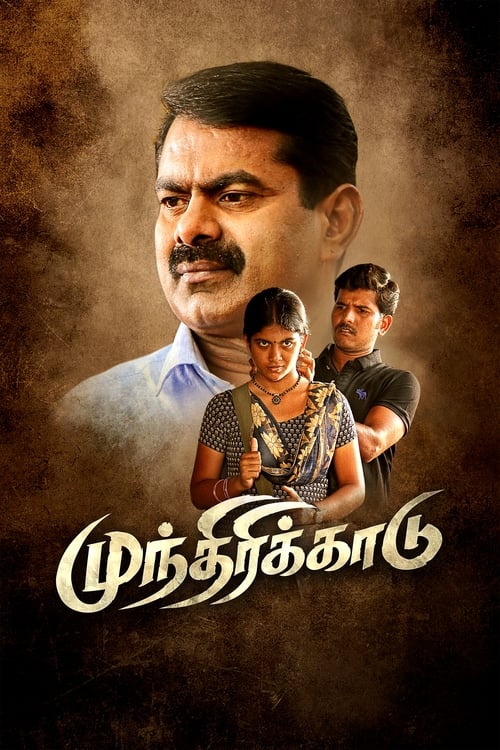
Collaboration Network
The Constellation
Top 7 most-paired collaborators. Bubble size and line thickness reflect how many films they share with Kalanjiyam.
Career Analytics
Genre Breakdown
Language Distribution
Films by Decade
Top Co-Actors
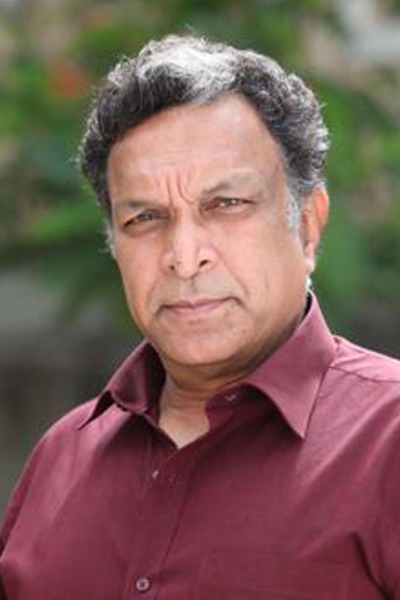
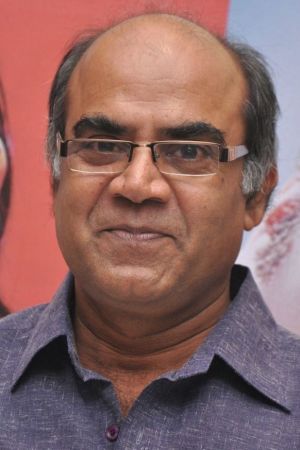
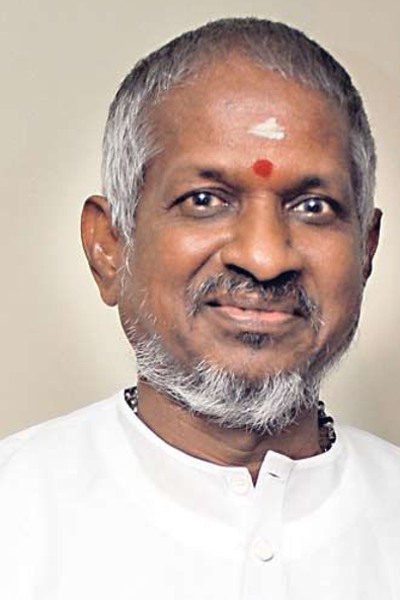
See all →Kalanjiyam has worked most frequently with Devayani (4 films), Manivannan (4 films), Nassar (2 films), Thalaivasal Vijay (2 films), and Murali (2 films).


Legacy & Influence
Kalanjiyam is a figure in the Tamil film industry whose specific contributions remain largely undocumented in the public sphere. The available record indicates a single credited film role in 'Karungali' (2011). Without a verifiable biography, birth date, or details on other professional work, it is not possible to construct a substantive narrative on their career trajectory or impact on Indian cinema. The lack of widely accessible information prevents any authoritative discussion of their artistic influence, collaborations, or legacy within the industry. Therefore, a detailed account of their contribution cannot be provided while adhering to the requirement for high confidence in factual accuracy.