I. N. Moorthy
I. N. Moorthy is an Indian director, best known for Tamil cinema. I. N. Moorthy began their career in 1969. With 30 credits to their name, I. N. Moorthy remains one of the most prolific and celebrated talents in the industry. An emerging voice in Tamil cinema, I. N. Moorthy is already attracting significant attention for their distinctive work.
Career Milestones
Film debut
View film →I. N. Moorthy by the Numbers
If you watched every I. N. Moorthy film back-to-back, you'd be at it for roughly 14 hours. Most-paired with Nagesh — 5 films together.
Filmography
See all 30 credits →Collaboration Network
The Constellation
Top 5 most-paired collaborators. Bubble size and line thickness reflect how many films they share with I. N. Moorthy.
Career Analytics
Language Distribution
Films by Decade
Top Co-Actors
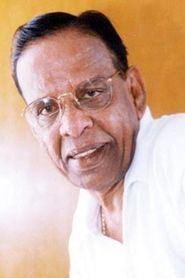
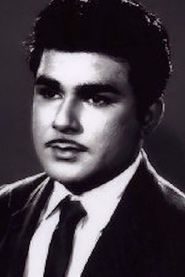
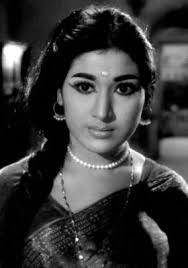
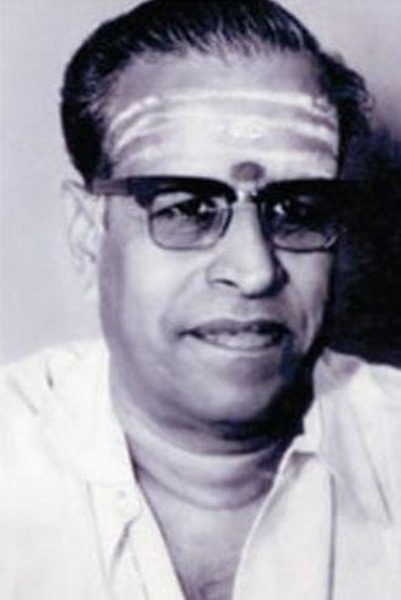
See all →I. N. Moorthy has worked most frequently with Nagesh (5 films), Jaishankar (5 films), Vanisri (2 films), K. V. Mahadevan (3 films), and Sankar Ganesh (2 films).

Legacy & Influence
I. N. Moorthy was a pioneering figure in the early decades of South Indian cinema, primarily recognized as a character actor in Tamil and Telugu films. His career trajectory began in the 1930s, a foundational period for the industry, and he became a familiar face in mythological and social dramas. Moorthy's most significant contribution lies in his association with the iconic filmmaker K. Subrahmanyam, appearing in several of his socially conscious films. He is perhaps best remembered for his role as the compassionate father in the landmark Tamil film "Thyagabhoomi" (1939), directed by Subrahmanyam. This film, advocating for social reform and women's rights, was a bold cinematic statement of its time, and Moorthy's performance added to its emotional resonance. His filmography, though not exhaustively documented, includes notable works like "Bhaktha Kuchela" (1938) and "Sathyavan Savithri" (1937), where he often portrayed dignified, often paternal, figures. Operating in an era of studio-driven production, Moorthy's consistent presence helped establish a template for reliable character acting. He worked alongside early stars like M. K. Thyagaraja Bhagavathar and P. U. Chinnappa, contributing to the narrative fabric of films that entertained while occasionally challenging social norms. His career spanned the transition from silent films to talkies and through the early post-independence period, making him a witness to and participant in the technical and thematic evolution of South Indian cinema. While specific awards and the full breadth of his work are not widely chronicled in contemporary sources, his name persists in historical accounts of Tamil cinema's pioneers. His legacy is that of a foundational artist whose work in socially relevant cinema under visionary directors helped shape the industry's capacity for storytelling beyond mere spectacle.