
Swaroop Sampat
Swaroop Sampat is an Indian actor, best known for Tamil cinema. Swaroop Sampat began their career in 1981. With 30 credits to their name, Swaroop Sampat remains one of the most prolific and celebrated talents in the industry. Spanning 40+ years, Swaroop Sampat's career remains one of the longest and most celebrated in Tamil cinema.
Career Milestones
Film debut
View film →Highest rated: Naram Garam (7.7)
View film →Iconic Roles
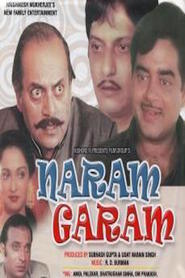
Naram Garam
Played the charming and spirited love interest, a role for which she won a Filmfare Award.
Defining Moments
Miss India
Won the Miss India pageant, which brought her into the public eye.
Filmfare Award for Naram Garam
Won the Filmfare Award for Best Supporting Actress for her performance in 'Naram Garam'.
Return to Screen in Uri
Made a notable return to mainstream cinema with a supporting role in the major hit 'Uri: The Surgical Strike'.
Swaroop Sampat by the Numbers
If you watched every Swaroop Sampat film back-to-back, you'd be at it for roughly 23 hours. Most-paired with Paresh Rawal — 2 films together.
Filmography
See all 30 credits →
Collaboration Network
The Constellation
Top 5 most-paired collaborators. Bubble size and line thickness reflect how many films they share with Swaroop Sampat.
Career Analytics
Language Distribution
Films by Decade
Top Co-Actors
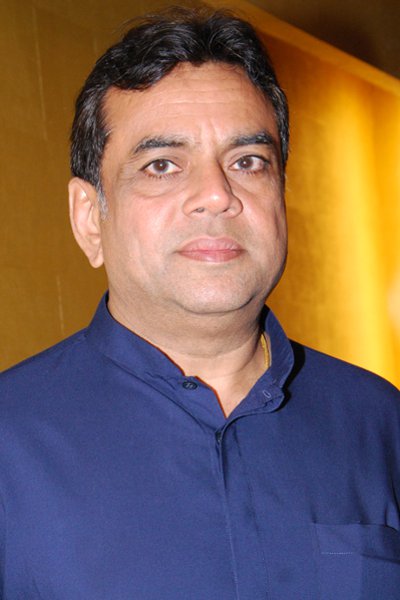
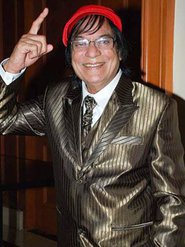
See all →Swaroop Sampat has worked most frequently with Paresh Rawal (2 films), Vikas Anand (2 films), Jagdeep (2 films), Javed Khan (2 films), and Madan Puri (2 films).

Did You Know?
Swaroop Sampat was crowned Miss India in 1979.
She is married to actor Paresh Rawal.
She holds a PhD in Education from the University of Worcester, UK.
She was a popular television actress in the 1980s, known for the show 'Yeh Jo Hai Zindagi'.
After her acting career, she became an educator and worked on child development and learning through drama.
Legacy & Influence
Swaroop Sampat is a notable figure in Indian cinema, recognized for her transition from a successful film career to impactful work in education. She entered the film industry in the late 1970s and early 1980s, a period marked by her memorable performance in Hrishikesh Mukherjee's 'Naram Garam' (1981), where she played the dual role of Kusum/Kusi opposite Amol Palekar. Her work in this film showcased her ability to handle comedy and nuanced characters within the middle-of-the-road cinema genre, contributing to the era's storytelling that focused on everyday life and social themes. After a brief but notable film career that included roles in films like 'Sawaal' (1982), she shifted her focus away from acting. Sampat's most significant contribution extends beyond the screen. She earned a PhD in Education and has dedicated herself to educational reform, developing innovative teaching methods and working extensively with underprivileged children. This pivot from actress to educator represents a unique legacy, where her public platform from cinema has been leveraged to advocate for and implement change in India's educational landscape. Her work in this field, including her tenure as Miss India 1979 which brought her initial public recognition, underscores a career dedicated to social impact, making her a respected figure whose influence is felt in both cultural and philanthropic spheres.