Arvind Deshpande
Arvind Deshpande is an Indian actor, best known for Tamil cinema. Arvind Deshpande began their career in 1979. With 30 credits to their name and an average audience rating of 7.4, Arvind Deshpande remains one of the most prolific and celebrated talents in the industry. Arvind Deshpande is one of the most closely watched talents of their generation, with a rapidly growing body of acclaimed work.
Career Milestones
Film debut
View film →Highest rated: Tarang (7.7)
View film →Arvind Deshpande by the Numbers
If you watched every Arvind Deshpande film back-to-back, you'd be at it for roughly 14 hours. Most-paired with Kamal Haasan — 2 films together.
Filmography
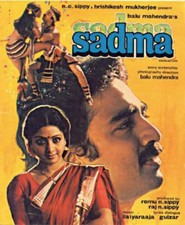
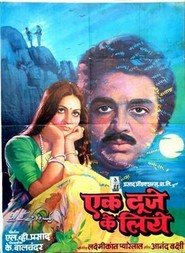
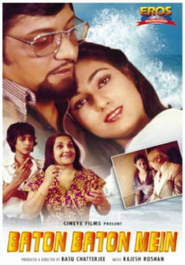
See all 30 credits →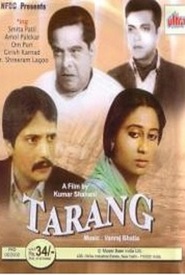
Collaboration Network
The Constellation
Top 5 most-paired collaborators. Bubble size and line thickness reflect how many films they share with Arvind Deshpande.
Career Analytics
Language Distribution
Films by Decade
Top Co-Actors
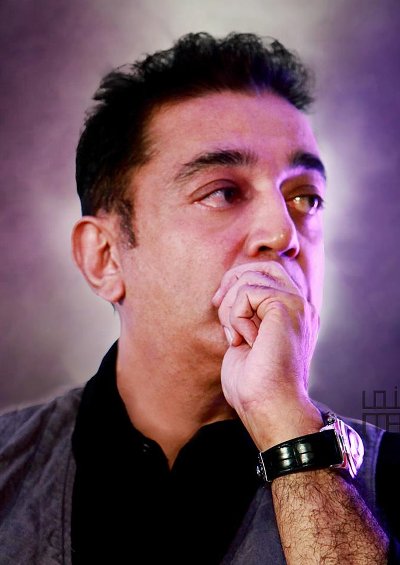
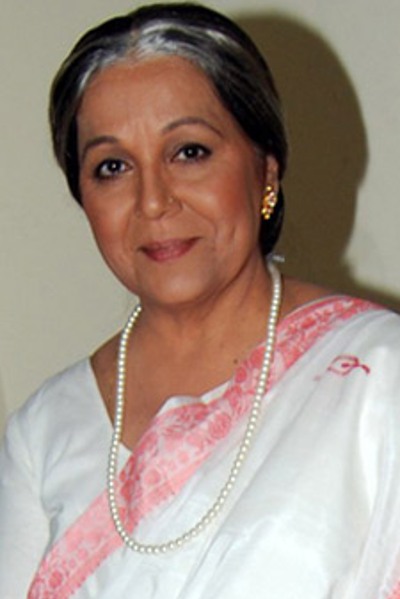
See all →Arvind Deshpande has worked most frequently with Kamal Haasan (2 films), Rohini Hattangadi (2 films), Asrani (2 films), Amol Palekar (2 films), and Smita Patil (2 films).

Legacy & Influence
Arvind Deshpande was a distinguished figure in Indian theatre and cinema, renowned as a Marathi stage actor, director, and a respected character actor in Hindi films. His career trajectory was firmly rooted in the progressive theatre movement of Maharashtra. He was a prominent member of the Indian People's Theatre Association (IPTA) and a founding member of the Mumbai-based theatre group, Awishkar, which played a pivotal role in experimental and socially relevant Marathi theatre. This theatrical foundation deeply informed his screen presence. In Hindi cinema, Deshpande is best remembered for his powerful supporting roles in films directed by masters like Shyam Benegal and Govind Nihalani. His performance as the principled and conflicted police officer, Bhaskar Kulkarni, in Benegal's 'Kalyug' (1981) is a standout, showcasing his ability to embody moral complexity with understated intensity. He also delivered memorable performances in 'Bhumika' (1977), 'Mandi' (1983), and 'Party' (1984). His contribution lies in bridging the worlds of serious, content-driven theatre and parallel cinema. He brought a disciplined, methodical, and authentic acting style to his film roles, often portraying intellectuals, bureaucrats, or men of conscience, thereby enriching the narrative depth of the films he was part of. As a theatre director and mentor within Awishkar, he influenced generations of Marathi theatre artists, emphasizing rigorous preparation and social commitment. His work, both on stage and screen, represents a commitment to artistic integrity and narrative substance, leaving a lasting imprint on the landscape of Indian parallel cinema and regional theatre.