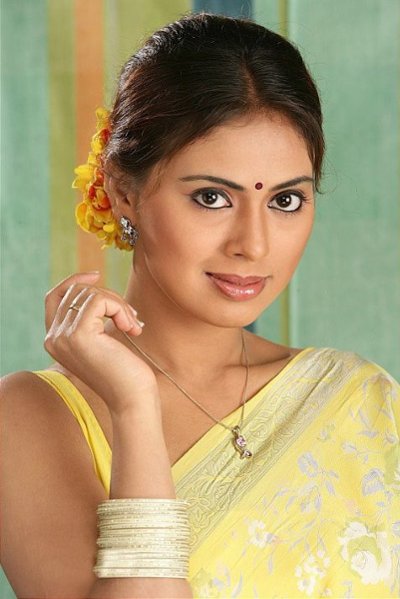
Tejashree
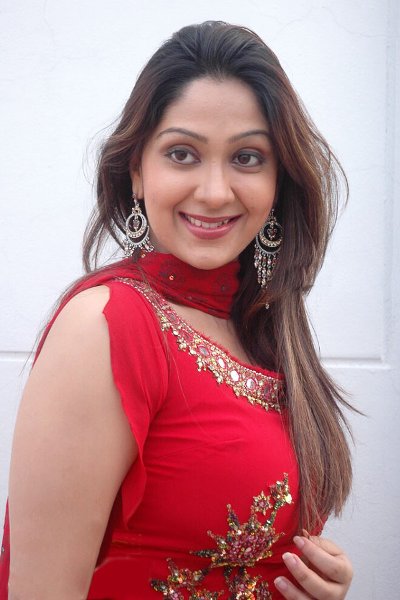
Tejashree is an Indian actor, best known for Tamil cinema. Tejashree began their career in 2003 and has been a prominent figure in the industry for over 23 years. With 30 credits to their name and an average audience rating of 6.8, Tejashree remains one of the most prolific and celebrated talents in the industry. Tejashree is one of the most closely watched talents of their generation, with a rapidly growing body of acclaimed work.
- Born
- Age
- 43
Biography
Tejashree (born Sonali Jaikumar Khele) is a Tamil cinema actress from Maharashtra who is primarily known for her roles in Tamil commercial films of the mid-2000s, debuting in Ottran (2003). She appeared in notable productions including Madhurey (2004) alongside Vijay, the acclaimed comedy Imsai Arasan 23m Pulikesi (2006), and Arya (2007). A trained Kathak dancer who earned a Visharad degree, she brought a classical dance background to her screen presence despite being a Marathi speaker who became fluent in Tamil for her film career. Her most prominent film, Imsai Arasan 23m Pulikesi, won two Tamil Nadu State Film Awards and a Filmfare Award South, with Tejashree playing the character Soolaayini in the film.
Career Milestones
Film debut
View film →Highest rated: Imsai Arasan 23m Pulikesi (8.3)
View film →Iconic Roles
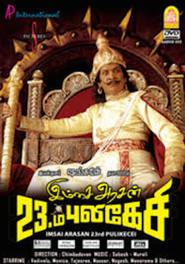
Imsai Arasan 23am Pulikesi
A significant role in the popular historical comedy film directed by Chimbu Deven.
Arya
Played a supporting role in this successful Tamil romantic drama starring Allu Arjun.
Madhurey
Her debut role in Tamil cinema, starring opposite Madhavan.
Defining Moments
Tamil Film Debut
Made her acting debut in the Tamil film industry with the movie 'Madhurey'.
Critical Acclaim
Gained recognition for her role in the successful comedy film 'Imsai Arasan 23am Pulikesi'.
Tejashree by the Numbers
If you watched every Tejashree film back-to-back, you'd be at it for roughly 1 day and 18h. Most-paired with Vadivelu — 4 films together.
Filmography
See all 30 credits →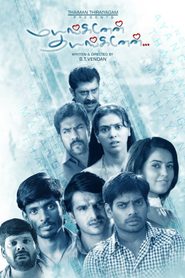
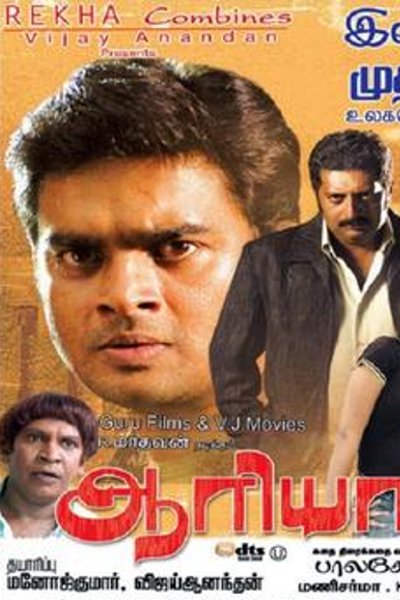
Collaboration Network
The Constellation
Top 10 most-paired collaborators. Bubble size and line thickness reflect how many films they share with Tejashree.
Career Analytics
Language Distribution
Films by Decade
Top Co-Actors
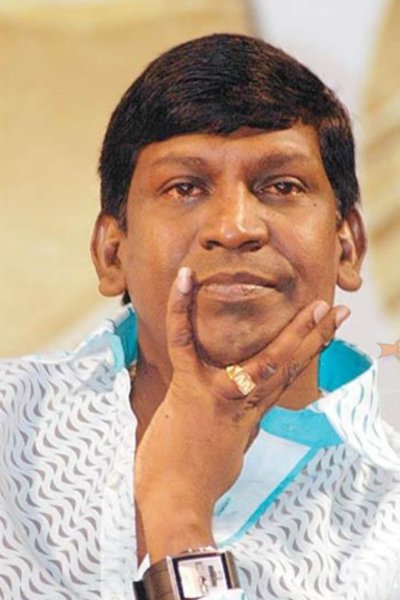
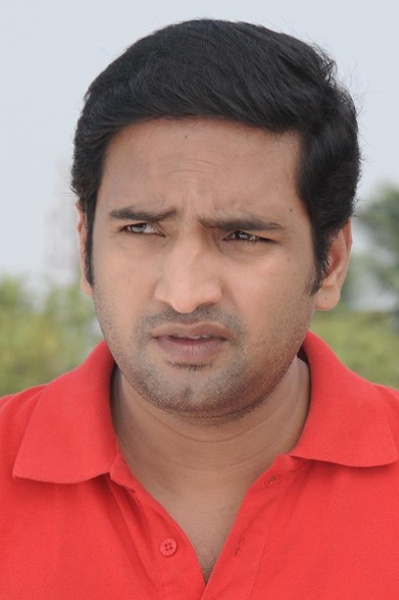
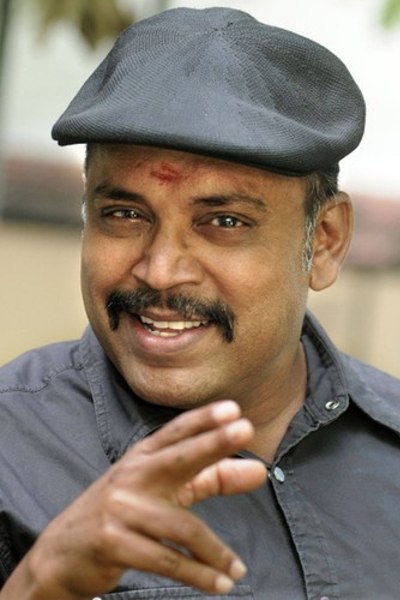
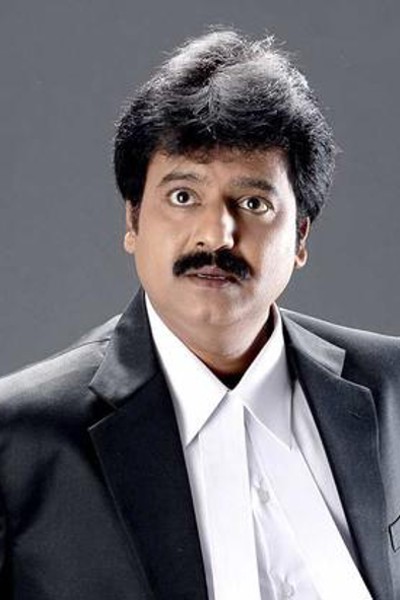
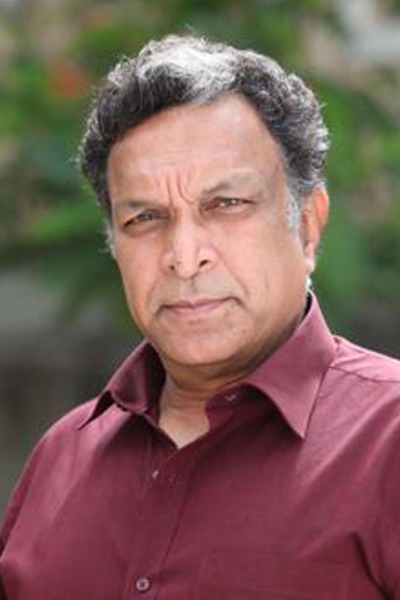
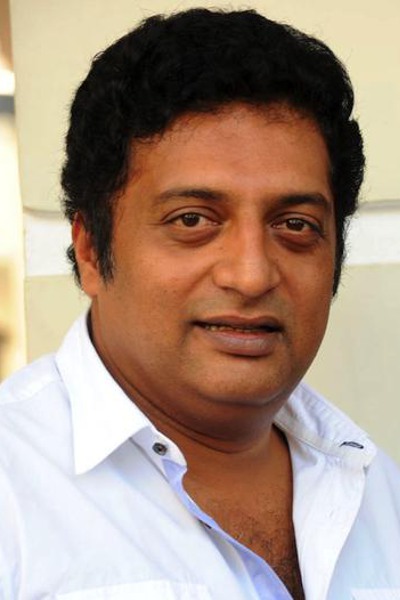
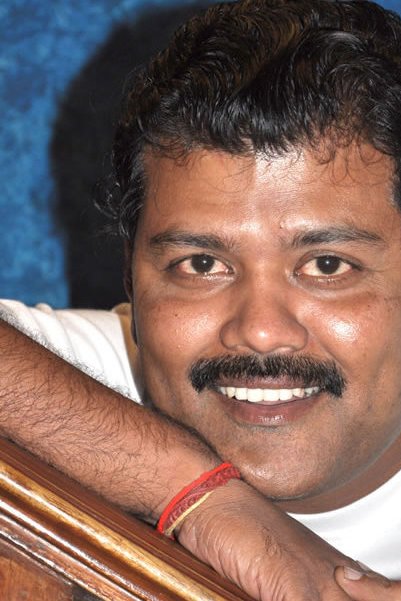
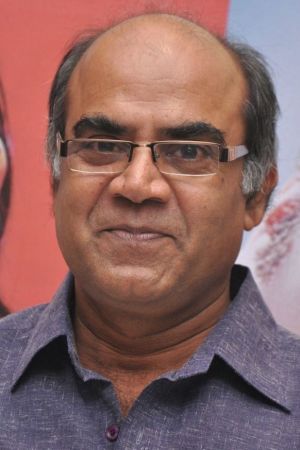
See all →Tejashree has worked most frequently with Ilankannan (2 films), Vadivelu (4 films), Santhanam (2 films), Thambi Ramaiah (2 films), and Vivek (2 films).

Did You Know?
Tejashree is a trained Kathak dancer, having learned the dance form from her father Master Jaikumar Khele.
Her father, Master Jaikumar Khele, was a disciple of the renowned classical dancer Pandit Gopi Krishna Maharaj.
She made her Tamil film debut in 2004 with the film 'Madhurey'.
She has acted in films across multiple Indian languages including Tamil, Telugu, Kannada, Gujarati, and Marathi.
She played the role of Soolaayini in the critically acclaimed Tamil comedy film 'Imsai Arasan 23am Pulikesi' (2006).
Legacy & Influence
Tejashree's contribution to Indian cinema is defined by her versatility across multiple regional film industries and her grounding in classical Indian dance. Primarily active in Tamil cinema during the mid-2000s, she carved a niche through notable supporting roles in comedies and dramas. Her most significant and memorable performance came in the 2006 historical satire 'Imsai Arasan 23am Pulikesi', directed by Chimbu Deven, where her portrayal of Soolaayini was integral to the film's comedic fabric and critical success. This role demonstrated her ability to excel in character-driven parts within ensemble casts. Her career trajectory also includes appearances in successful films like 'Arya' (2007), where she played Pooja, contributing to the film's narrative alongside lead actors. While her filmography includes a mix of commercial and critical projects across Tamil, Telugu, Kannada, Gujarati, and Marathi cinema, her impact is most firmly associated with her work in Tamil films of that era. Beyond acting, her foundational training as a Kathak dancer, under the guidance of her father who was a disciple of Pandit Gopi Krishna, represents a connection to classical Indian arts that informed her screen presence and movement. Although her time as a leading actress was not extensive, her performances in key films from that period remain a point of reference for audiences, showcasing the role of proficient supporting actors in enriching a film's narrative. Her work exemplifies the path of many artistes who bring specialized skills from traditional arts to the cinematic medium, contributing to the diverse tapestry of Indian regional cinema.