Rinke Khanna
Rinke Khanna is an Indian actor, best known for Tamil cinema. Rinke Khanna began their career in 1999 and has been a prominent figure in the industry for over 27 years. With 30 credits to their name, Rinke Khanna remains one of the most prolific and celebrated talents in the industry. Rinke Khanna is one of the most closely watched talents of their generation, with a rapidly growing body of acclaimed work.
- Born
- Age
- 48
Biography
Rinke Khanna is a Hindi cinema actress and the daughter of legendary actor Rajesh Khanna and actress Dimple Kapadia, best known for her roles in early 2000s Bollywood films. She made her debut in Pyaar Mein Kabhi Kabhi (1999), for which she won the Zee Cine Award for Best Female Debut, and subsequently appeared in Mujhe Kucch Kehna Hai (2001), Jhankaar Beats (2003), and Chameli (2004). Her brief career of approximately nine films showcased her in both romantic leads and supporting roles, working alongside directors like Sujoy Ghosh in Jhankaar Beats. She retired from acting after marrying businessman Samir Saran in February 2003 and relocated to London.
Career Milestones
Film debut as lead actress in romantic comedy
View film →Won Zee Cine Award for Best Female Debut
View film →Filmfare Award nomination for Best Female Debut
View film →Commercially successful role alongside Govinda
View film →Final film before retirement from acting after marriage
View film →Iconic Roles
Pyaar Mein Kabhi Kabhi
Her debut role as Khushi in this romantic film earned her the Zee Cine Award for Best Female Debut and launched her brief Bollywood career.
Jis Desh Mein Ganga Rehta Hain
Played Tina in this Mahesh Manjrekar comedy starring Govinda and Sonali Bendre in the lead roles.
Mujhe Kucch Kehna Hai
Played a supportive friend in this romantic drama directed by Satish Kaushik, alongside Tusshar Kapoor and Kareena Kapoor.
Majunu
Played the role of Heena in this film, one of her notable character appearances during her active years in Bollywood.
Defining Moments
Debut performance in a musical romance set at a Performing Arts College, earning the Zee Cine Award for Best Female Debut and a Filmfare nomination for Best Female Debut
Her breakout role that launched her career and established her as a promising newcomer; the award recognition made her one of the more celebrated debutants of her year
View film →Song 'Kem Chhe' opposite Govinda, which became one of her most-recalled musical moments on screen
Pairing with Govinda in a mainstream masala entertainer gave her wider commercial visibility beyond her debut film
View film →Playing Priya, the supportive elder sister of the protagonist, bringing emotional warmth to a secondary role in this romantic drama
Demonstrated her ability to hold her own in a supporting capacity alongside debut stars Tusshar Kapoor and Kareena Kapoor, earning positive audience and critical reception
View film →Rinke Khanna by the Numbers
If you watched every Rinke Khanna film back-to-back, you'd be at it for roughly 18 hours. Most-paired with Kareena Kapoor — 4 films together.
Filmography
See all 30 credits →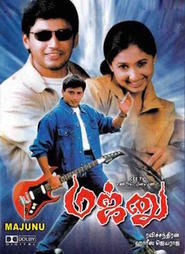
Collaboration Network
The Constellation
Top 5 most-paired collaborators. Bubble size and line thickness reflect how many films they share with Rinke Khanna.
Career Analytics
Language Distribution
Films by Decade
Top Co-Actors
See all →Rinke Khanna has worked most frequently with Kareena Kapoor (4 films), Rahul Bose (2 films), Rati Agnihotri (2 films), Sanjay Suri (2 films), and Himani Shivpuri (2 films).





Legacy & Influence
Rinke Khanna, entering the Hindi film industry in the late 1990s, carved a niche for herself in a competitive era with a series of performances that captured a relatable, contemporary urban sensibility. Her career trajectory, though not extensive, is marked by a deliberate choice of roles in ensemble-driven, youth-oriented films that resonated with a specific audience segment. Her debut in 'Pyaar Mein Kabhi Kabhi' (1999) established her as a fresh face adept at portraying modern romantic dilemmas. This was followed by roles in films like 'Jhankaar Beats' (2003), a cult classic celebrating music and friendship, where her performance contributed to the film's warm, slice-of-life appeal. In 'Majunu' (2001), she demonstrated her capability in more mainstream romantic fare. While her filmography includes projects with varying critical and commercial receptions, her consistent screen presence in the early 2000s represented the industry's shift towards narratives centered on urban youth culture, relationships, and aspirational lifestyles. Her contribution lies not in headline-grabbing stardom but in authentically embodying the characters of her generation during that period, making her a recognizable and appreciated figure in that specific cinematic landscape. She stepped away from active acting after a few years, but her work remains a touchstone for that particular phase of early 2000s Bollywood cinema.