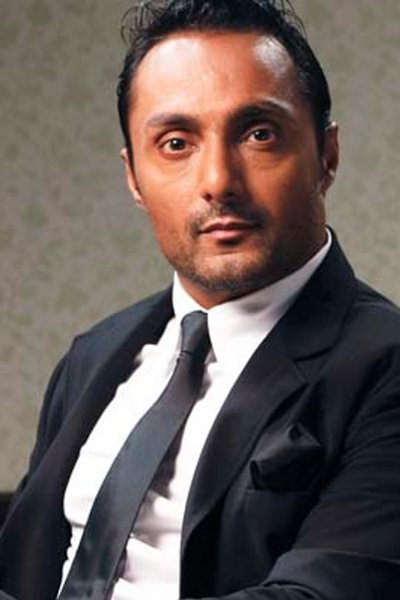
Rahul Bose
Rahul Bose is an Indian actor, best known for Tamil cinema. Rahul Bose began their career in 1998 and has been a prominent figure in the industry for over 28 years. With 30 credits to their name and an average audience rating of 6.3, Rahul Bose remains one of the most prolific and celebrated talents in the industry. Spanning 20+ years, Rahul Bose's career remains one of the longest and most celebrated in Tamil cinema.
- Born
- Age
- 58
Biography
Rahul Bose is an Indian film actor, director, screenwriter, social activist, and rugby player. Bose has appeared in Bengali films such as Mr. and Mrs. Iyer, Kalpurush, Anuranan, Antaheen, Laptop and The Japanese Wife. He has also appeared in Hindi films such as Pyaar Ke Side Effects, Maan Gaye Mughal-e-Azam, Jhankaar Beats, Kucch Luv Jaisaa, and Chameli. He also played the antagonist in the 2013 Tamil-Hindi film Vishwaroopam. \r\n\r\nTime magazine named him \"the superstar of Indian arthouse cinema\" while Maxim named him \"the Sean Penn of Oriental cinema\". for his work in parallel cinema films like English, August and Mr. and Mrs. Iyer. He is also notable for his social activism: he participated in the relief efforts that followed the 2004 Boxing Day Tsunami and is also the founder of the anti-discrimination NGO, The Foundation.
Career Milestones
Film debut in English, August — first Hinglish film, first Indian film acquired by 20th Century Fox; established Bose as a parallel cinema icon
Won Silver Screen Award for Best Asian Actor at Singapore International Film Festival
Wrote and directed debut feature Everybody Says I'm Fine!, winning Honourable Mention / John Schlesinger Award for Best Debut Feature at Palm Springs International Film Festival
Mainstream Bollywood breakthrough with back-to-back multiplex hits alongside acclaimed parallel cinema work
View film →Became first Indian Oxfam Global Ambassador, recognising his social activism alongside acting career
Iconic Roles
Jhankaar Beats
One of two die-hard RD Burman fans obsessed with winning a music competition; the film was a surprise multiplex hit and launched Bose into mainstream Bollywood.
Chameli
A wealthy, chain-smoking Mumbai banker stranded in the monsoon rains with a sex worker played by Kareena Kapoor; the role earned critical acclaim and multiple award nominations.
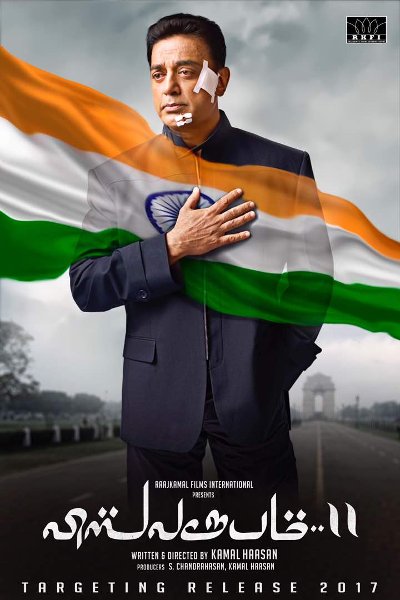
Vishwaroopam
The primary antagonist and terrorist operative in Kamal Haasan's espionage thriller; a menacing, layered villain role that showcased Bose's dramatic range.
Dil Dhadakne Do
Priyanka Chopra's controlling, chauvinistic husband in Zoya Akhtar's ensemble family drama; critics praised Bose for playing the 'villain you love to hate' with nuance.
Defining Moments
Breakthrough role as Agastya Sen, the sardonic, directionless IAS probationer adrift in small-town India — one of Indian cinema's first truly Hinglish protagonists
First Indian film acquired by 20th Century Fox; launched Bose's reputation in parallel cinema and established him as the face of an alienated, intellectual urban India.
Receiving the Silver Screen Award for Best Asian Actor for his portrayal of a predatory disc jockey in the dark, taboo-breaking drama about class and abuse in Mumbai
First major international recognition; Maxim subsequently called him 'the Sean Penn of Oriental cinema'. Established his willingness to inhabit morally complex, uncomfortable characters.
Playing Raja Chowdhury, a Muslim wildlife photographer shielded by a Hindu woman during communal riots — a restrained, emotionally layered performance that anchors the film's critique of religious violence
Won three National Film Awards; Time magazine cited this role when naming Bose 'the superstar of Indian arthouse cinema'. Widely regarded as his career-defining performance.
As Siddharth, an RD Burman-obsessed young man navigating a stalling marriage and an old friendship — bringing quiet emotional complexity to a crowd-pleasing multiplex film
His most accessible mainstream performance; the film was a surprise multiplex hit and showed Bose could connect with urban audiences without compromising his low-key intensity.
View film →As Aman, a disillusioned investment banker stranded with sex worker Chameli (Kareena Kapoor) through a rain-soaked night — a slow-burn conversation that dismantles class and moral prejudice
Proved he could anchor a two-character mainstream film with zero melodrama. The restraint against Kareena's raw energy is frequently cited in discussions of underrated Bollywood performances.
View film →Rahul Bose by the Numbers
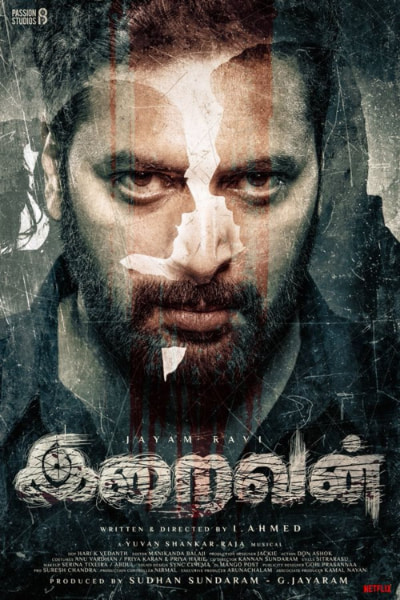
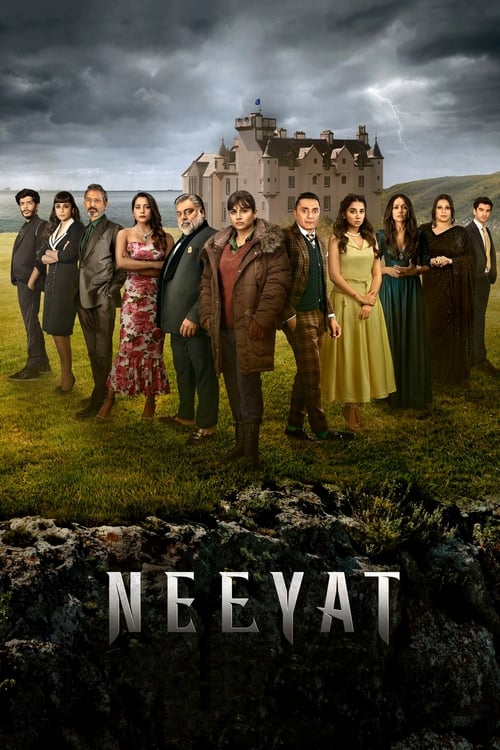
If you watched every Rahul Bose film back-to-back, you'd be at it for roughly 2 days and 17h. Most-paired with Kamal Haasan — 3 films together.
Filmography
See all 30 credits →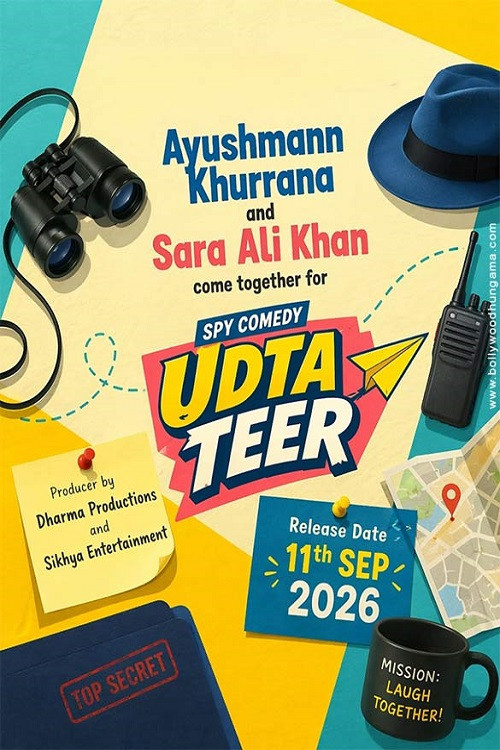

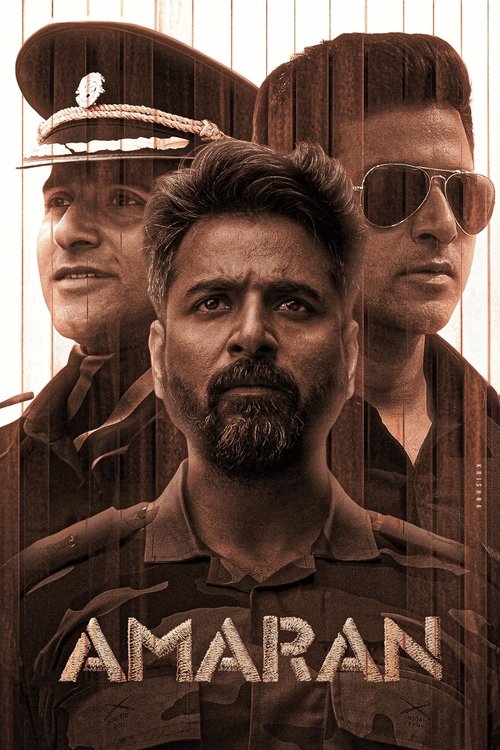
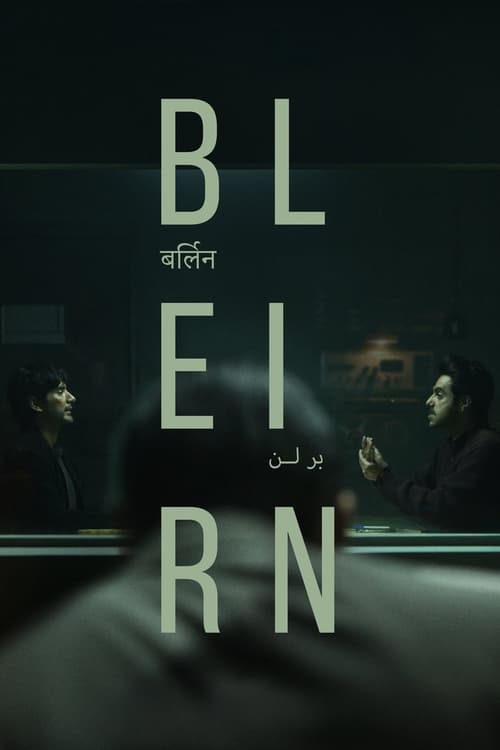
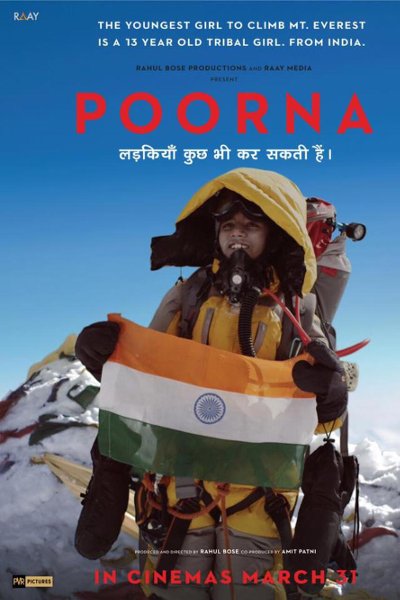

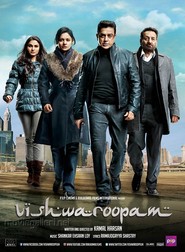
Collaboration Network
The Constellation
Top 10 most-paired collaborators. Bubble size and line thickness reflect how many films they share with Rahul Bose.
Career Analytics
Genre Breakdown
Language Distribution
Films by Decade
Top Co-Actors
See all →Rahul Bose has worked most frequently with Kamal Haasan (3 films), Anant Balani (2 films), Kamal Haasan (3 films), Pooja Kumar (3 films), and Andrea Jeremiah (3 films).
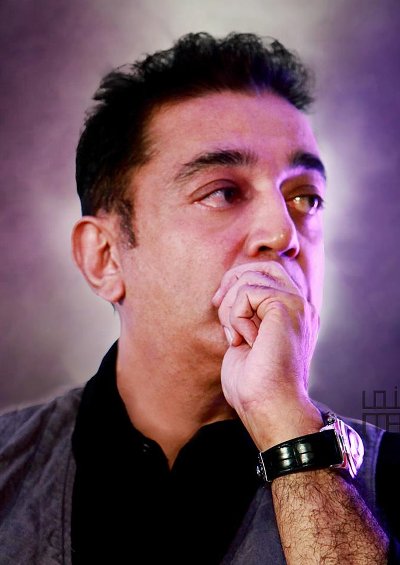






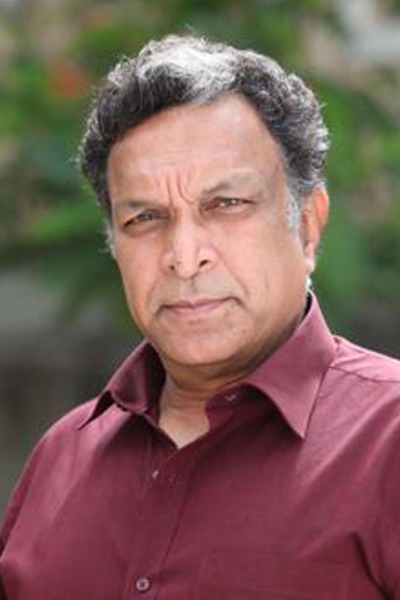
Did You Know?
Rahul Bose is a former national-level rugby player who represented India in the sport.
He made his directorial debut with the 2011 film 'The Japanese Wife', which was based on a short story by Kunal Basu.
He is known for being selective about his film roles, often choosing independent and offbeat projects over mainstream commercial cinema.
He is an active social activist, working on issues related to gender equality and communal harmony.
He is fluent in English, Hindi, and Bengali, which has allowed him to work across multiple film industries in India.
Signature Dialogues
The biggest side effect of love is... marriage
Unknown·Pyaar Ke Side Effects
The pain given by a girl can only be treated by another girl
Unknown·Unknown
Gun sirf gun nahi hoti... aurat hoti hai, taqat hoti hai
Unknown·Unknown
Legacy & Influence
Rahul Bose has carved a distinct and influential niche in Indian cinema, primarily through his consistent choice of unconventional, character-driven roles that challenge mainstream narratives. His career trajectory is marked by a deliberate shift from early commercial Hindi films to a deep engagement with parallel and regional cinema, particularly in Bengali. This choice established him as a serious actor dedicated to the craft. His collaboration with acclaimed director Aparna Sen in films like 'Mr. and Mrs. Iyer' (2002) and 'The Japanese Wife' (2010) is seminal. In the former, his nuanced portrayal of a Muslim man protected by a Hindu woman during communal riots brought a quiet intensity and humanity to a politically charged narrative, showcasing cinema's power to address social fissures. His work in Bengali films such as 'Antaheen' and 'Anuranan' further cemented his reputation as an actor of subtlety and depth, comfortable in a linguistic and cultural milieu outside his own. In mainstream Hindi cinema, he often played sophisticated, urban characters, but even in these roles, he brought an intellectual edge and a departure from stereotypical heroism. Beyond acting, his directorial ventures, though fewer, like 'Everybody Says I'm Fine!' (2001), reflect his interest in exploring psychological and urban landscapes. As a screenwriter, he has contributed to the narratives he embodies. His overall contribution lies in expanding the spectrum of the Indian male protagonist on screen—often portraying vulnerable, thoughtful, and complex individuals. He demonstrated that a successful film career could be built on artistic merit and selective, meaningful projects rather than sheer volume or stereotypical star roles, thereby influencing a generation of actors towards content-driven cinema. His parallel identity as a national-level rugby player and social activist also informs his public persona, aligning him with a disciplined, principled, and socially conscious image that transcends his film work.