
Sonali Kulkarni
Sonali Kulkarni is an Indian actor, best known for Tamil cinema. Sonali Kulkarni began their career in 1992 and has been a prominent figure in the industry for over 34 years. With over 60 credits to their name, Sonali Kulkarni remains one of the most prolific and celebrated talents in the industry. Spanning 30+ years, Sonali Kulkarni's career remains one of the longest and most celebrated in Tamil cinema.
- Born
- Age
- 51
Biography
Sonali Kulkarni is a Pune-born Indian actress primarily known for her work in Marathi and Hindi cinema, having appeared in over 70 films across a career spanning more than three decades. She earned international recognition for Daayraa (1996), directed by Amol Palekar, winning the Grand Prix du Jury for Best Actor at the Valenciennes Adventure Film Festival, and received multiple Best Supporting Actress nominations for Mission Kashmir (2000). She trained under theatre director Satyadev Dubey and has won four Maharashtra State Film Awards and four Filmfare Marathi Awards, along with a National Film Award Special Mention for the non-feature film Chaitra. Her recent work includes Manvat Murders (2024), for which she won the NDTV Marathi Entertainment Award for Best Actress.
Career Milestones
Film debut in Cheluvi
View film →Critical acclaim and Maharashtra State Film Award for Doghi
Won Grand Prix du Jury for Best Actor at Valenciennes Adventure Film Festival for Daayraa
View film →Breakthrough in Hindi cinema as Sanjay Dutt's wife in Mission Kashmir
View film →National Film Award Special Mention
Iconic Roles
Dil Chahta Hai
Sameer's bubbly, girl-next-door love interest opposite Saif Ali Khan; the role gave Kulkarni mainstream Hindi film recognition and the song 'Woh Ladki Hai Kahan' is cited as one of the film's standout moments.
Cheluvi
Debut role as a poor young woman with a magical ability to transform into a flowering tree; the film launched her career at age 18.
Dr. Prakash Baba Amte – The Real Hero
Biopic portrayal of real-life social worker and medical practitioner Mandakini Amte; won Kulkarni the Filmfare Award for Best Actress.
Devrai
Sister of a man suffering from schizophrenia; the performance won second-best actress at the 42nd Maharashtra State Film Awards.
Deool
Acclaimed Marathi role in the critically celebrated film about faith and commercialization of religion.
Defining Moments
Debut performance as the titular Cheluvi, a young woman who magically transforms into a flowering tree, in this National Award-winning Girish Karnad film
Launched her career with immediate critical prestige; her debut in an award-winning environmental drama directed by Girish Karnad established her as a serious, unconventional actress from the outset
View film →Playing a kidnapped village girl who escapes and journeys with a transvestite folk performer, navigating questions of gender identity and freedom in pre-liberalization India
Amol Palekar's boldly liberal film was ahead of its time in examining gender fluidity; Kulkarni's committed, nuanced performance earned wide critical praise and cemented her reputation for choosing challenging, socially meaningful roles
View film →As Neelima Khan, the emotionally complex foster mother who persuades her husband (Sanjay Dutt) to adopt the orphaned Altaaf (Hrithik Roshan), conveying grief, compassion and resolve in a pivotal scene
Critics called her a scene-stealer who ran the full gamut of maternal emotion opposite two major stars; the role earned her multiple Best Supporting Actress nominations and firmly established her in mainstream Hindi cinema
View film →Playing Pooja, Sameer's love interest, with bubbly girl-next-door charm — including the awkward, humorous confession scene with Saif Ali Khan — in Farhan Akhtar's cult coming-of-age classic
One of the most beloved Hindi films of the 2000s; her casting came after Zoya Akhtar spotted her photographs on set, and the film's enduring cult status made her character Pooja one of her most recognisable roles
View film →Award-winning portrayal of Mandakini (Dr. Manda) Amte, real-life doctor and social activist, in this acclaimed Marathi biopic — widely considered her finest dramatic performance
Won the Filmfare Award for Best Actress (Marathi) and the Suvarnaratna Award; critics noted it was a role that utilised her acting prowess to the fullest, affirming her as a leading figure in Marathi cinema
Sonali Kulkarni by the Numbers
If you watched every Sonali Kulkarni film back-to-back, you'd be at it for roughly 3 days and 2h. Most-paired with Jackie Shroff — 3 films together.
Filmography
See all 60 credits →






Collaboration Network
The Constellation
Top 10 most-paired collaborators. Bubble size and line thickness reflect how many films they share with Sonali Kulkarni.
Career Analytics
Genre Breakdown
Language Distribution
Films by Decade
Top Co-Actors
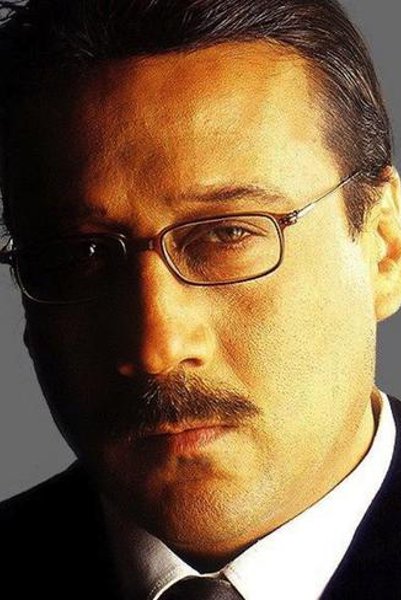
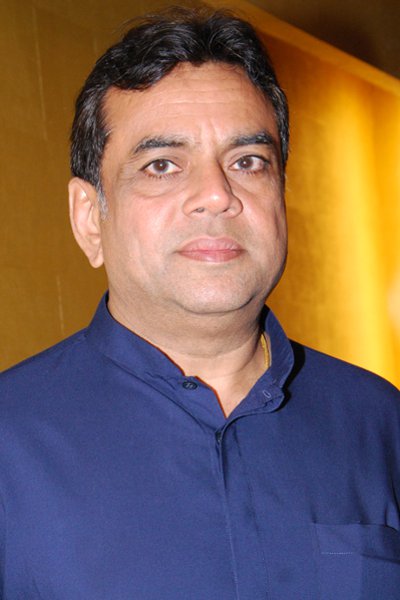
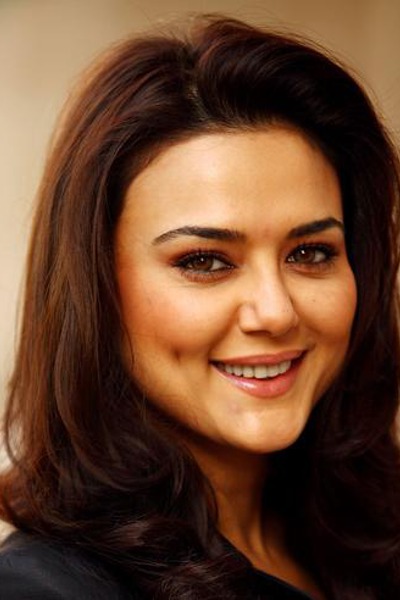
See all →Sonali Kulkarni has worked most frequently with Jackie Shroff (3 films), Kay Kay Menon (3 films), Sanjay Dutt (3 films), Rajpal Yadav (3 films), and Mohan Agashe (3 films).





Did You Know?
Sonali Kulkarni made her acting debut as a child artist in the 1984 Marathi film 'Umbartha'.
She is a trained classical dancer in Kathak.
She won the National Film Award for Best Actress for her role in the Marathi film 'Doghi' (1995).
She received the Filmfare Award for Best Supporting Actress for her role in 'Dil Chahta Hai' (2001).
She is fluent in Marathi, Hindi, and English.
Legacy & Influence
Sonali Kulkarni's career in Indian cinema is distinguished by her versatility and commitment to authentic storytelling across multiple languages. Beginning in Marathi theatre and cinema, she established herself as a powerful dramatic actress, earning critical acclaim for her nuanced performances in films like 'Doghi' (1995), which tackled complex social themes. Her ability to seamlessly transition between regional industries and mainstream Hindi cinema is a hallmark of her career. In Bollywood, she is perhaps best remembered for her poignant role as Pooja, the older, unattainable love interest in the seminal coming-of-age film 'Dil Chahta Hai' (2001). This role, though not the lead, left a lasting impression for its emotional depth and became a cultural reference point. Kulkarni consistently chose roles that defied simplistic categorization, whether in the political satire of 'Deool' (2011), the commercial action of 'Singham' (2011), or the gritty urban drama of 'Taxi No. 9211' (2006). Her filmography reflects a deliberate selection of projects based on narrative strength over stardom, contributing to a broader appreciation for character-driven roles. As a fluent performer in Marathi, Hindi, Kannada, Gujarati, and Tamil films, she has been a bridge between regional and national cinemas, showcasing the depth of talent beyond the mainstream Hindi film industry. Her work is characterized by a naturalistic acting style that brings credibility to every character, from the vulnerable to the resilient. Kulkarni's legacy lies in her embodiment of the modern Indian actress—one who prioritizes artistic integrity, linguistic diversity, and meaningful cinema, inspiring a generation of performers to explore a wide spectrum of roles without being confined by industry or language barriers.