Devandran
Devandran is an Indian composer, best known for Tamil cinema. Devandran began their career in 1986. With 30 credits to their name, Devandran remains one of the most prolific and celebrated talents in the industry. Devandran is one of the most closely watched talents of their generation, with a rapidly growing body of acclaimed work.
Biography
Devendran (also known as Ravi Devendran) is a Tamil film music composer from Vadakarai, near Srivilliputhur, Tamil Nadu, trained in Carnatic music under Sivagiri and Seema Durai, Hindustani music under Madhusoodhanan, and Western music under Thompson. His most celebrated work is the 1987 Bharathiraja film Vedham Pudhithu, for which he composed the chartbuster 'Kannukkul Nooru Nilava' sung by S. P. Balasubrahmanyam and K. S. Chithra with lyrics by Vairamuthu. He debuted with Mannukkul Vairam (1986), directed by Manoj Kumar and starring Sivaji Ganesan, followed by Kalaiyum Neeye Maalaiyum Neeye (1988), composing for fewer than 20 films across a career spanning over three decades. Director Bharathiraja publicly noted that Devendran, despite his deep musical knowledge, did not attain the commercial success his talent deserved.
Career Milestones
Film debut
View film →Highest rated: Mannukkul Vairam (6.8)
View film →Devandran by the Numbers
If you watched every Devandran film back-to-back, you'd be at it for roughly 18 hours. Most-paired with Senthil — 3 films together.
Filmography
See all 30 credits →Collaboration Network
The Constellation
Top 6 most-paired collaborators. Bubble size and line thickness reflect how many films they share with Devandran.
Career Analytics
Language Distribution
Films by Decade
Top Co-Actors
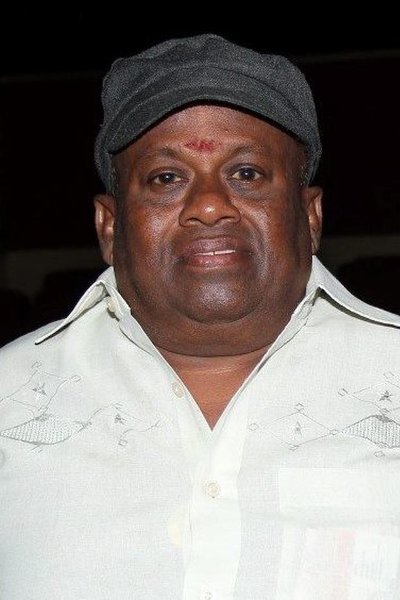
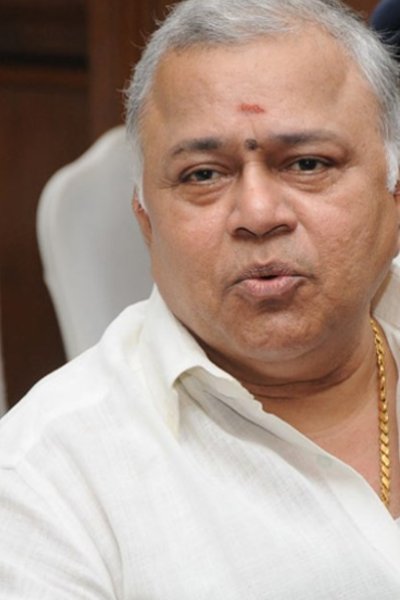
See all →Devandran has worked most frequently with Senthil (3 films), Raadhika Sarathkumar (2 films), Vijayakanth (2 films), Radha Ravi (2 films), and Reka (2 films).


Legacy & Influence
Devandran, a prominent figure in the South Indian film industry, is best known as the father and mentor of the celebrated actor Dhanush. His primary contribution to Indian cinema lies in his foundational role as a producer and his stewardship of the production house Wunderbar Films, which he co-founded. Under his guidance, the company became a significant force in Tamil cinema, producing a slate of critically and commercially successful films that often blended artistic ambition with mainstream appeal. His career trajectory is intrinsically linked to fostering new talent and backing innovative projects. A pivotal moment in his legacy was his early and unwavering support for his son Dhanush's career, providing a stable platform from which Dhanush could ascend to national stardom. Beyond familial ties, Devandran's acumen as a producer helped launch and nurture the careers of several directors and technicians, contributing to the modern landscape of Tamil filmmaking. His production choices often reflected a balance between commercial viability and content-driven narratives, helping to greenlight projects that might have otherwise struggled to find funding. While not a front-facing creative like a director or actor, his influence was exercised in the boardrooms and production meetings, shaping the business and creative infrastructure that allowed films to be made. His tenure at Wunderbar Films saw the production of major hits that defined eras, solidifying the company's reputation for quality and its role in the industry's ecosystem. Devandran's legacy, therefore, is one of a behind-the-scenes architect—a producer whose vision and support were instrumental in building careers and bringing impactful stories to the screen, thereby leaving an indelible mark on the business and artistic progression of South Indian cinema.