Deva Katta
Deva Katta is an Indian director, best known for Tamil cinema. Deva Katta began their career in 2010. With 30 credits to their name and an average audience rating of 6.2, Deva Katta remains one of the most prolific and celebrated talents in the industry. Deva Katta is one of the most closely watched talents of their generation, with a rapidly growing body of acclaimed work.
Biography
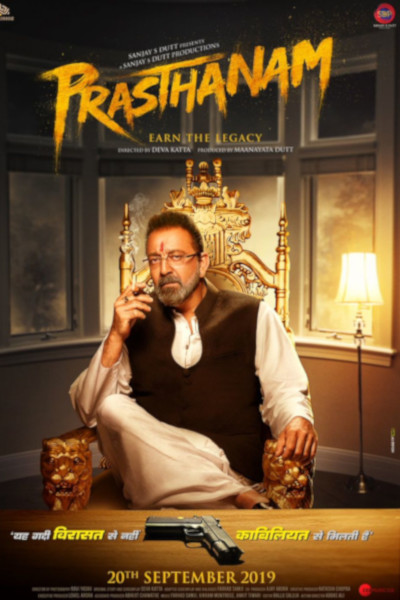
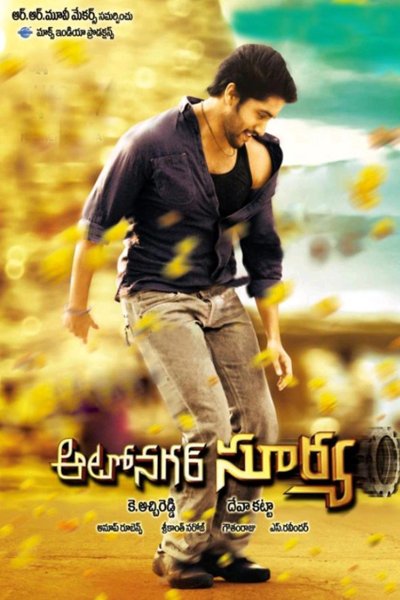
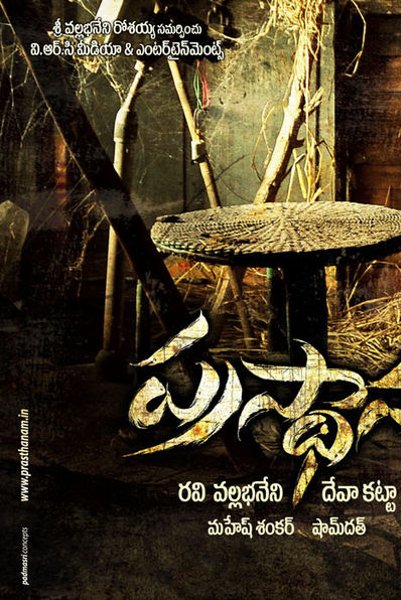
Deva Katta (full name Deva Kaushik Katta) is a Telugu film director born in Eluru, Andhra Pradesh, known for socially and politically driven cinema. His debut feature Prasthanam (2010), a political drama examining the legislature, won the Nandi Award for Best Feature Film and the Filmfare South Critics Award for Best Film, and was selected for the Indian Panorama section at IFFI. He is working on a thematic quadrilogy examining Indian society's pillars — Prasthanam (legislature), Autonagar Surya (2014, the common voter), and Republic (2021, the bureaucracy) — with a fourth film on the judiciary in development. Before filmmaking, Katta held an MS in Mechanical Engineering from Wayne State University and worked as a vehicle crashworthiness expert at General Motors.
Career Milestones
Directorial debut with Vennela
Directed Prasthanam, selected for Indian Panorama at IFFI and won Nandi Award for Best Feature Film
View film →Won Filmfare South Critics Award for Best Film
View film →Directed Autonagar Surya, second film in his society quadrilogy
View film →Directed Republic, third film in his society quadrilogy exploring bureaucracy
View film →Defining Moments
Climax father-son confrontation between Sai Kumar and Sharwanand, with the philosophical dialogue: 'Like darkness moving in time's womb, the good and bad within humans always fight. That endless battle is this human journey.'
Widely regarded as one of the best climaxes in Telugu cinema, blending paternal love, greed for power, guilt, and political legacy into a single devastating scene. The film won the Nandi Award for Best Feature Film and was selected for Indian Panorama at IFFI, with this climax cited most often as the reason.
View film →Loki reveals to Mithra his fear about his son Chinna entering politics: 'Leadership is a quality you were born with. His qualities are different.' — crystallizing the father's awareness that his own son lacks what his political heir has.
The scene that defines the entire film's conflict — a father privately acknowledging his biological son's inadequacy while grooming an outsider as his true successor. Frequently cited in discussions of Deva Katta's sharp, layered dialogue writing.
View film →Surya's arc of building a battery-powered vehicle as an act of defiance against systemic corruption in Auto Nagar, culminating in his stand against vested interests in the motor trade.
Represents the 'common man as voter' chapter in Deva Katta's self-described quadrilogy on Indian society (politician → voter → bureaucrat → judiciary). Naga Chaitanya's grounded performance in this grassroots narrative is noted as a career highlight shaped by Deva Katta's direction.
View film →The confrontational climax set in a courtroom where the bureaucrat-hero's attempt to reform the system ends in his elimination, delivering the bleak message that entrenched power structures cannot be dismantled by individuals.
Defied commercial Telugu cinema conventions by refusing a triumphant resolution. The ending was polarizing but widely discussed as a bold political statement — audiences reported it giving them 'sleepless nights' and praising it as haunting on rewatch. Defines Deva Katta's uncompromising thematic voice.
View film →Opening scene conversation between Subbaraju and Sai Dharam Tej that establishes the IAS officer protagonist's worldview and sets the film's tone as a critique of bureaucratic corruption.
Cited as a strong narrative hook that immediately signals Deva Katta's intention to deliver a serious socio-political film rather than a conventional hero-centric entertainer.
View film →Deva Katta by the Numbers
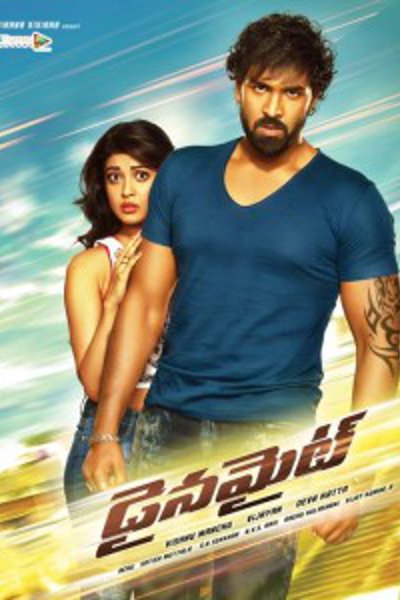
If you watched every Deva Katta film back-to-back, you'd be at it for roughly 11 hours. Most-paired with Pranitha — 2 films together.
Filmography
See all 30 credits →
Collaboration Network
The Constellation
Top 3 most-paired collaborators. Bubble size and line thickness reflect how many films they share with Deva Katta.
Career Analytics
Genre Breakdown
Language Distribution
Films by Decade
Top Co-Actors
See all →Deva Katta has worked most frequently with Pranitha (2 films), Sai Kumar (2 films), and Surekha Vani (2 films).


Legacy & Influence
Deva Katta is a prominent Telugu film director and screenwriter known for his intellectually charged, socially conscious cinema. He emerged as a distinct voice with his debut film, 'Prasthanam' (2010), a political drama that explored complex themes of power, morality, and familial duty with a rare narrative maturity, setting a new benchmark for content-driven films in Tollywood. His most celebrated and influential work is the 'Vennela' trilogy, particularly 'Vennela 1½' (2009), which redefined the campus comedy genre with its unique humor and characterizations. However, his magnum opus is widely considered to be 'Prasthanam'. The film's critical and commercial success demonstrated that audiences would embrace layered storytelling over conventional masala formulas. Katta's filmmaking is characterized by philosophical dialogues, intricate plotting, and a focus on the psychological motivations of his characters, often using the cinematic medium to critique systemic social and political issues. His career trajectory, while not prolific in quantity, is marked by a commitment to substance. Films like 'Autonagar Surya' (2014) further showcased his ambition in blending action with socio-economic commentary. Despite facing challenges in the mainstream industry, his work has inspired a generation of filmmakers and writers to pursue more concept-heavy and dialogue-driven narratives. He is regarded as a director who treats his audience as intelligent participants, contributing significantly to the expansion of thematic scope in contemporary Telugu cinema.