Tinnu Anand
Tinnu Anand is an Indian actor, best known for Tamil cinema. Tinnu Anand began their career in 1990 and has been a prominent figure in the industry for over 36 years. With over 120 credits to their name, Tinnu Anand remains one of the most prolific and celebrated talents in the industry. Tinnu Anand's influence on Tamil cinema is generational — their work continues to define the standard for the industry.
- Born
- Age
- 80
Biography
Tinnu Anand (born Virender Raj Anand) is a Hindi cinema actor, director, and writer, son of veteran screenwriter Inder Raj Anand and uncle of director Siddharth Anand. As a director, he helmed blockbusters Kaalia (1981) and Shahenshah (1988), both starring Amitabh Bachchan and among the highest-grossing Indian films of their respective years. As an actor, he appeared in a wide range of films including Damini (1993), Krantiveer (1994), Masoom (1996), Aditya 369 (1991), and Wafaa (2008), often in authoritative or antagonist supporting roles. He trained under Satyajit Ray as an assistant director before establishing himself across both sides of the camera in Hindi cinema.
Defining Moments
Directing the mass entertainer Kaalia, including Amitabh Bachchan's defiant 'Main woh khel nahin khelta jo doosre likhte hain' persona — one of the top-grossing Hindi films of 1981
Established Tinnu Anand as a director who could harness Amitabh Bachchan's screen charisma at its peak; the film's mass appeal and box office dominance defined his directorial identity
Directing the iconic 'Rishtey mein toh hum tumhare baap lagte hain' climax scene where Amitabh Bachchan's Shahenshah confronts the villain — one of Hindi cinema's most quoted villain-hunting dialogues
As director, Tinnu Anand crafted this scene that became one of Amitabh Bachchan's most legendary moments; the dialogue entered pop culture permanently and is still referenced decades later
Directing Main Azaad Hoon, adapting Frank Capra's 'Meet John Doe' into an Indian vigilante narrative with Amitabh Bachchan challenging political corruption
Demonstrated Tinnu Anand's ambition to adapt world cinema for Indian audiences while maintaining social relevance; distinguished him as a director with literary and political sensibility
Playing the sympathetic scientist who builds the time machine and serves as the narrative anchor for the film's sci-fi premise
One of Indian cinema's pioneering time-travel films; his role as the inventor gave the fantastical plot credibility and the film is widely regarded as a Telugu sci-fi classic
View film →Playing Mr. Majid Khan, a pivotal supporting role contributing to the emotional core of this family drama
Showed his continued relevance as a character actor well into his later career, bringing gravitas to supporting roles in contemporary cinema
View film →Tinnu Anand by the Numbers
If you watched every Tinnu Anand film back-to-back, you'd be at it for roughly 9 days and 8h. Most-paired with Paresh Rawal — 7 films together.
Filmography
See all 120 credits →
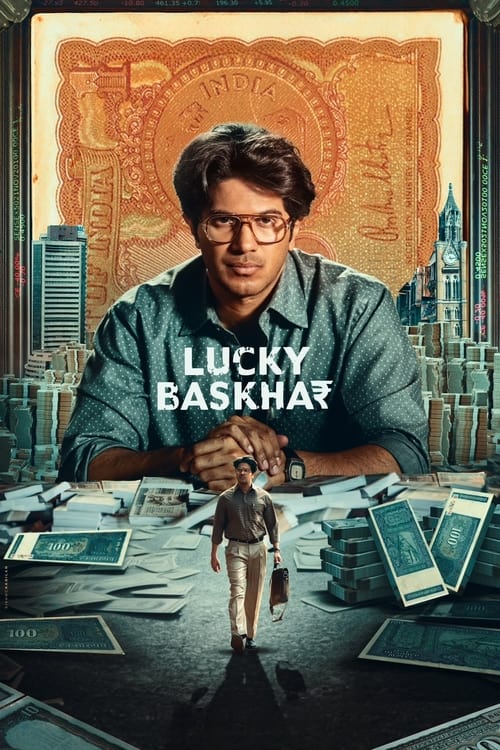

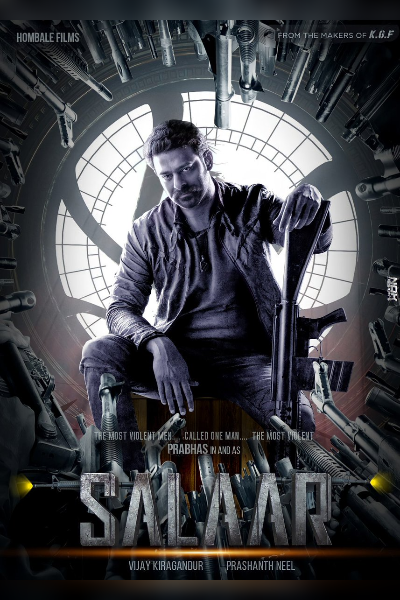


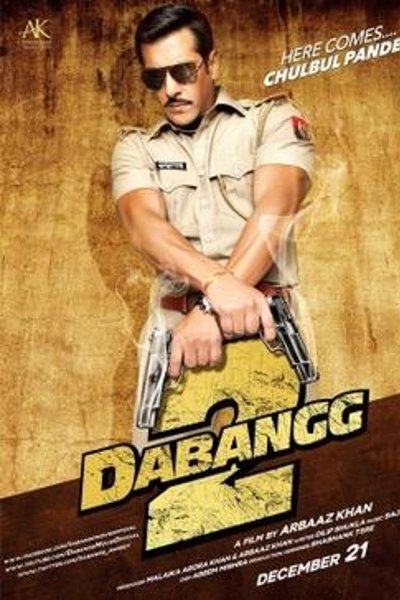
Collaboration Network
The Constellation
Top 10 most-paired collaborators. Bubble size and line thickness reflect how many films they share with Tinnu Anand.
Career Analytics
Genre Breakdown
Language Distribution
Films by Decade
Top Co-Actors
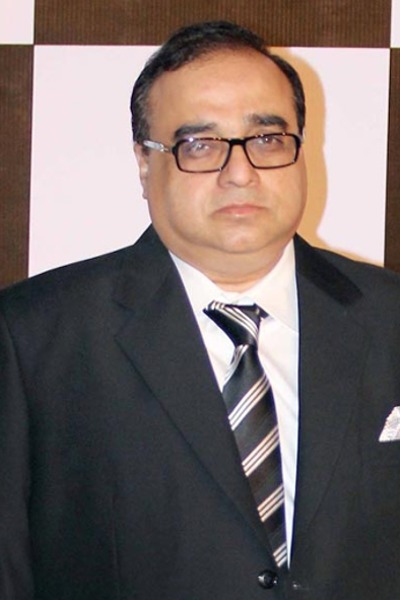
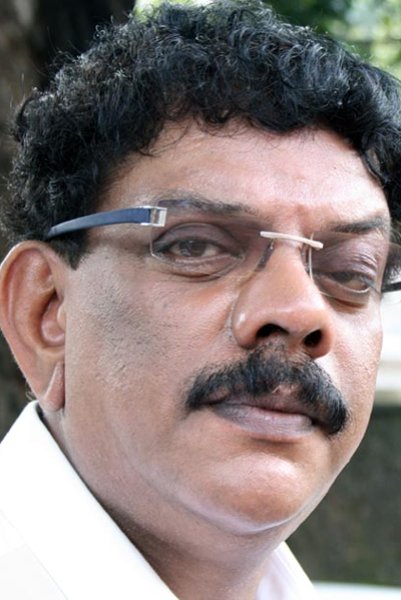
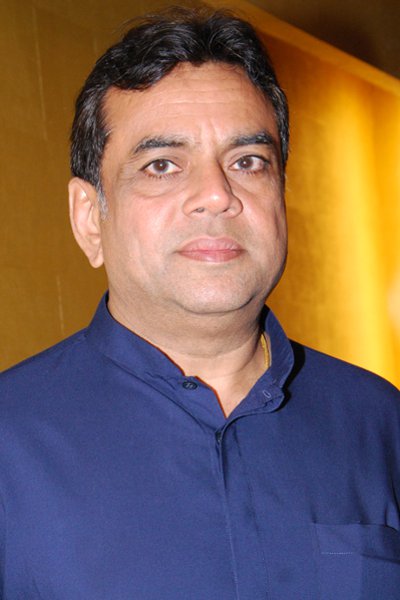
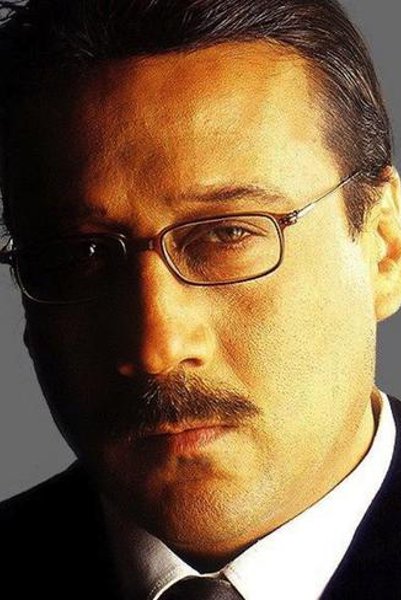
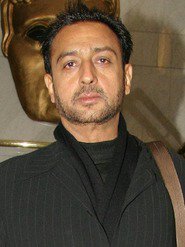
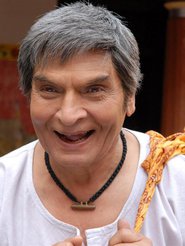
See all →Tinnu Anand has worked most frequently with Rajkumar Santoshi (3 films), Priyadarshan (2 films), Samir Karnik (2 films), Paresh Rawal (7 films), and Om Puri (6 films).


Did You Know?
Tinnu Anand is the son of acclaimed Hindi film writer and director Inder Raj Anand.
He is a prominent director, known for directing Amitabh Bachchan in films like 'Kaalia' (1981) and 'Shahenshah' (1988).
He made his directorial debut with the film 'Kaalia' (1981).
He has frequently collaborated with actor Amitabh Bachchan, both as a director and an actor.
He played the role of Satveer Kohli, Kalpana's boss, in the blockbuster Aamir Khan film 'Ghajini' (2008).
Legacy & Influence
Tinnu Anand is a multifaceted figure in Indian cinema, best known as a director and actor whose career spans several decades. He first gained significant recognition as an assistant director to the legendary Satyajit Ray on films like 'Shatranj Ke Khilari' (1977), an experience that deeply influenced his cinematic sensibilities. As a director, Anand is most celebrated for his collaborations with superstar Amitabh Bachchan in the 1980s, helming the iconic action dramas 'Kaalia' (1981) and 'Shahenshah' (1988). These films, particularly 'Shahenshah' with its memorable dialogues and Bachchan's dual persona, have attained cult status and are considered seminal works in the angry young man genre, cementing Anand's role in shaping a key phase of mainstream Hindi cinema. His directorial style often blended gritty narratives with strong characterizations. As a character actor, Anand has appeared in numerous supporting roles across Hindi and regional films, bringing a distinct presence to projects like 'Ghajini' (2008) and 'In Custody' (1993). His later directorial work includes 'Main Azaad Hoon' (1989) and the sports drama 'Jhoom Barabar Jhoom' (2007). While not always in the limelight, Tinnu Anand's contributions as a director who successfully channeled Amitabh Bachchan's star power during a peak era, and his sustained involvement in filmmaking as both a creator and performer, have left a definite imprint on the industry's commercial and narrative landscape.