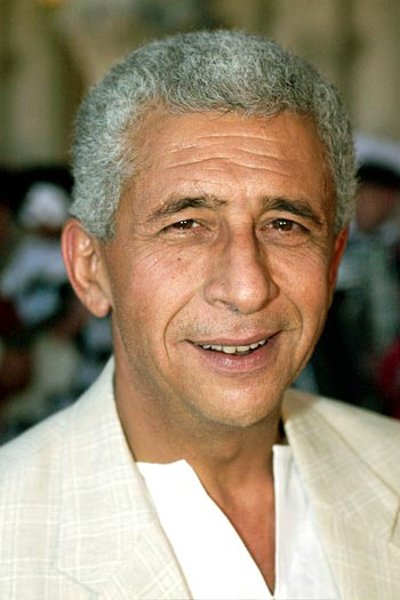
Naseeruddin Shah
Naseeruddin Shah is an Indian actor, best known for Tamil cinema. Naseeruddin Shah began their career in 1982 and has been a prominent figure in the industry for over 44 years. With over 180 credits to their name, Naseeruddin Shah remains one of the most prolific and celebrated talents in the industry. Naseeruddin Shah's influence on Tamil cinema is generational — their work continues to define the standard for the industry.
- Born
- Age
- 75
Biography
Naseeruddin Shah is a Hindi cinema actor and a central figure of the Indian New Wave parallel cinema movement, known for his roles across art-house and mainstream Bollywood films spanning five decades. He won three National Film Awards — Best Actor for Sparsh (1979) and Paar (1984), and Best Supporting Actor for Iqbal (2006) — as well as the Volpi Cup for Best Actor at the Venice Film Festival for Paar, and Filmfare Best Actor awards for Aakrosh (1981), Chakra (1982), and Masoom (1983). He is distinguished by his range across morally complex roles, from the grief-stricken father in Masoom to the calculated terrorist in A Wednesday! (2008) and the wily Khalujan in Ishqiya (2010) and Dedh Ishqiya (2014). Honored with the Padma Shri (1987) and Padma Bhushan (2003), he also directed Firaaq (2009), a film about the aftermath of the 2002 Gujarat riots.
Iconic Roles
A Wednesday!
An ordinary citizen who holds the city hostage to make a point about terrorism and governmental apathy, delivering one of Hindi cinema's most celebrated monologues.
Ishqiya
A charming, old-world criminal with poetic sensibilities and romantic longing, widely regarded as one of Naseeruddin Shah's most beloved screen personas.
Jaane Bhi Do Yaaron
A hapless photographer caught in a web of corruption and murder in this cult classic dark comedy, considered one of the finest performances in Indian cinema.
Sparsh
A visually impaired school principal navigating love and dignity, a role that earned Naseeruddin Shah a National Film Award and cemented his status as a method actor.
Masoom
A man torn between his family and the son born of an extramarital affair, a nuanced dramatic performance that remains one of the most emotionally resonant in Bollywood.
Defining Moments
The silent, simmering portrayal of a blind school principal suppressing vulnerability and resisting love out of pride — communicated almost entirely through voice and body language
Won Shah his first National Award for Best Actor; the performance defined the possibilities of parallel cinema acting in India and is frequently cited as one of Hindi cinema's finest
The Mahabharata play sequence where the entire cast bumbles through a farcical theatrical performance — Shah's comedic timing amid chaos is unforgettable
Considered one of Indian cinema's greatest comedic set-pieces; Shah's performance in this cult classic is endlessly referenced and remains a benchmark for ensemble comedy
The scene where he confronts the reality of his illegitimate son with anguished guilt — a man torn between responsibility and the life he has built
One of the most emotionally nuanced portrayals of paternal guilt in Hindi cinema; the film and Shah's performance are touchstones for sensitive, realistic family drama
The final monologue as the 'Common Man' revealing his identity and outsmarting the police commissioner — a tour de force of restrained intensity
Widely regarded as one of Indian cinema's greatest one-man performances; the climactic speech became a cultural touchstone for frustration with terrorism and state apathy, cementing Shah's status as a master of understated power
View film →As Khalujaan — the world-weary, philosophical outlaw whose moral complexity and sardonic wit anchor the film's dark tone
Revived Shah's mainstream relevance with younger audiences; his chemistry with Arshad Warsi and his layered portrayal of a rogue with a conscience was widely praised as one of his best late-career performances
View film →Naseeruddin Shah by the Numbers
If you watched every Naseeruddin Shah film back-to-back, you'd be at it for roughly 14 days and 21h. Most-paired with Priyanka Chopra — 6 films together.
Filmography
See all 180 credits →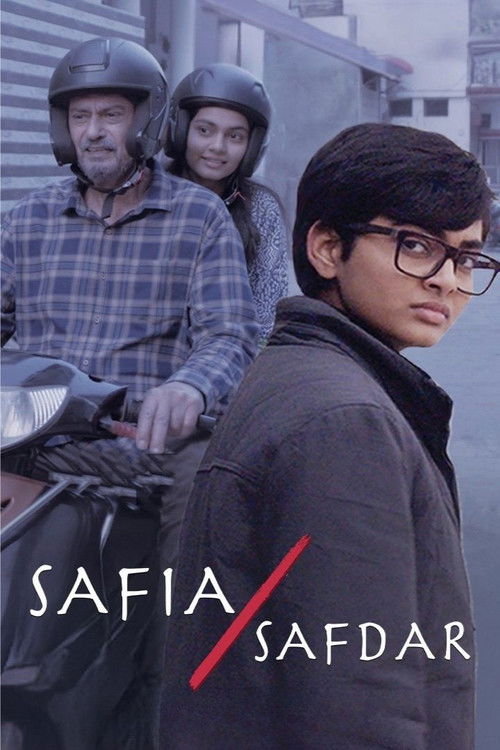
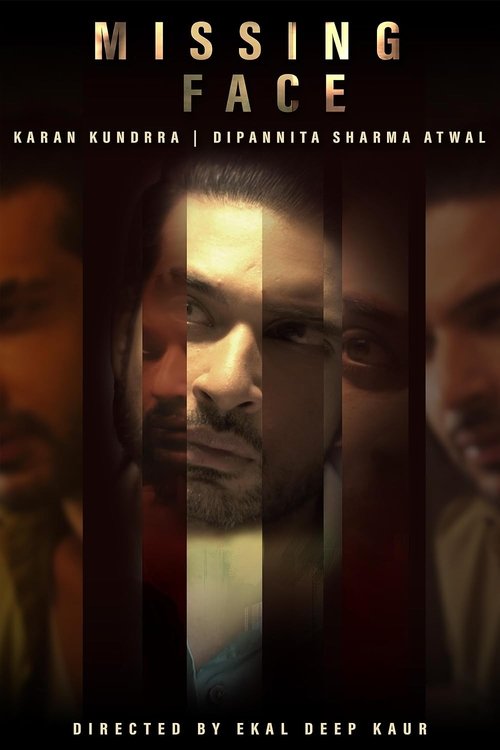
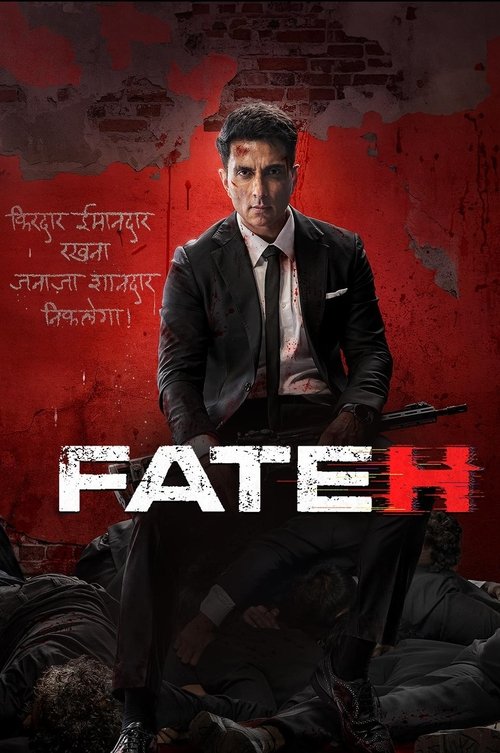



Collaboration Network
The Constellation
Top 10 most-paired collaborators. Bubble size and line thickness reflect how many films they share with Naseeruddin Shah.
Career Analytics
Genre Breakdown
Language Distribution
Films by Decade
Top Co-Actors
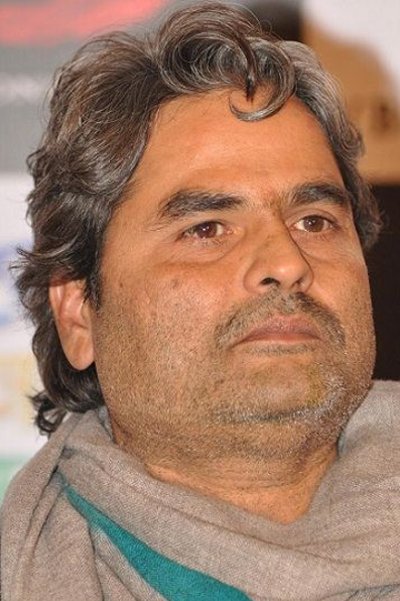
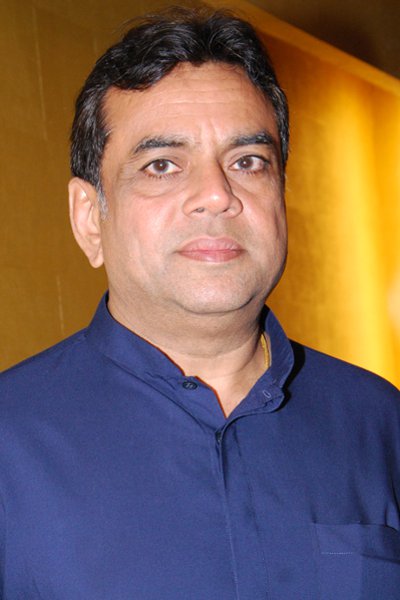
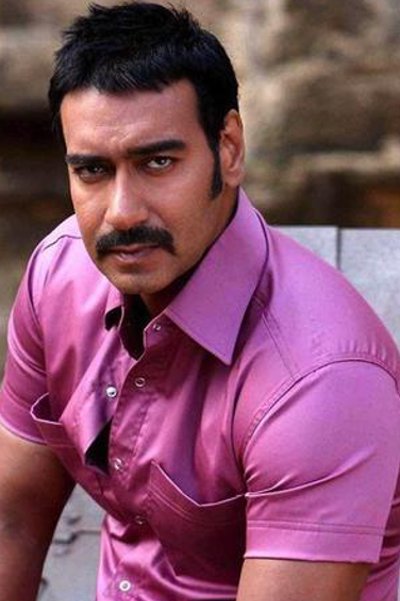
See all →Naseeruddin Shah has worked most frequently with Nagesh Kukunoor (3 films), Vishal Bharadwaj (3 films), Abhishek Chaubey (2 films), Kaizad Gustad (2 films), and Priyanka Chopra (6 films).



Did You Know?
Naseeruddin Shah is a founding member of the theatre group Motley Productions, which debuted with a production of Samuel Beckett's 'Waiting for Godot' in 1979.
He is an alumnus of the National School of Drama (NSD) in New Delhi.
He was awarded the Padma Shri in 1987 and the Padma Bhushan in 2003 by the Government of India.
He made his directorial debut with the film 'Yun Hota To Kya Hota' in 2006.
He has acted in several international projects, including the film 'The League of Extraordinary Gentlemen' (2003).
Signature Dialogues
Aapke ghar mein cockroach aata hai toh aap kya karte hai Rathore Sahab?...aap usko paalte nahi maarte hai
Common Man·A Wednesday!
Sawaal jhande ke rang ka nahi hai, kyunki gareebi, bhukmari, bekaari, yeh sab rang poochke waar nahi karti
Bhanu Pratap·Raajneeti
Saat mukaam hote hai ishq mein...dilkashi, unss, mohabbat, aqeedat, ibaadat, junoon aur maut
Ifthekhar alias Khalujan·Dedh Ishqiya
Main tab taiyaar nahi tha! Aaj bhi nahin hoon...
Salman Habib·Zindagi Na Milegi Dobara
Legacy & Influence
Naseeruddin Shah is a foundational pillar of Indian parallel cinema, whose career redefined the possibilities of screen acting in India. Emerging in the late 1970s, he, alongside contemporaries like Shabana Azmi and Om Puri, championed a new wave of realistic, content-driven films that stood in stark contrast to mainstream Bollywood. His intense, naturalistic performances in seminal works like 'Nishant' (1975), 'Manthan' (1976), 'Bhumika' (1977), 'Aakrosh' (1980), and 'Paar' (1984) brought a searing authenticity and intellectual depth to Indian screens. He became the face of a cinema that confronted social issues, political corruption, and complex human psychology. Shah's collaboration with directors such as Shyam Benegal, Govind Nihalani, and Satyajit Ray ('Shatranj Ke Khilari') was instrumental in establishing the credibility and artistic reach of this movement. While a stalwart of parallel cinema, he also achieved significant commercial success and critical acclaim in mainstream films, notably in 'Masoom' (1983), 'Ijaazat' (1987), and 'Monsoon Wedding' (2001), demonstrating remarkable versatility. His later career includes memorable character roles in major productions like 'The League of Extraordinary Gentlemen' (2003) and 'Zindagi Na Milegi Dobara' (2011). A lifelong theatre enthusiast, he co-founded the Motley Theatre Group in 1979, dedicating himself to stage productions and nurturing new talent, which underscores his deep commitment to the craft beyond cinema. His influence is profound: he inspired generations of actors to prioritize script and character over stardom, elevating the standards of performance and expanding the narrative scope of Indian cinema. He is widely regarded as one of the finest and most respected actors in the history of Indian film.