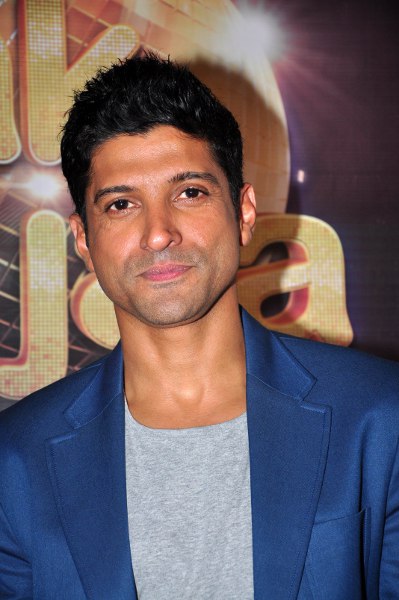
Farhan Akhtar
Farhan Akhtar is an Indian actor, best known for Tamil cinema. Farhan Akhtar began their career in 2001 and has been a prominent figure in the industry for over 25 years. With 30 credits to their name and an average audience rating of 6.6, Farhan Akhtar remains one of the most prolific and celebrated talents in the industry. Spanning 20+ years, Farhan Akhtar's career remains one of the longest and most celebrated in Tamil cinema.
- Born
- Age
- 52
Biography
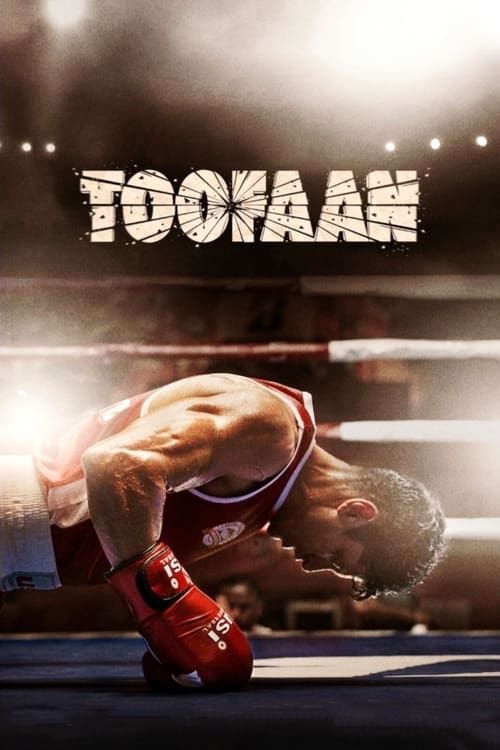
Farhan Akhtar is a Hindi cinema actor, director, producer, and screenwriter, best known for his multifaceted career that spans blockbuster filmmaking and transformative on-screen performances. He won the Filmfare Award for Best Actor for his physically grueling portrayal of sprinter Milkha Singh in Bhaag Milkha Bhaag (2013), and the Filmfare Award for Best Supporting Actor for Zindagi Na Milegi Dobara (2011). Beyond acting, he co-founded Excel Entertainment in 1999 with Ritesh Sidhwani and made his directorial debut with Dil Chahta Hai (2001), which won the National Film Award for Best Feature Film in Hindi. His recent work includes the boxing drama Toofaan (2021) on Amazon Prime Video and the war film 120 Bahadur (2025).
Career Milestones
Directorial debut with Dil Chahta Hai, winning National Award for Best Hindi Film
Acting debut in Rock On!!, winning Filmfare Award for Best Male Debut
Won Filmfare Award for Best Supporting Actor
View film →Portrayed real-life athlete Milkha Singh, winning Filmfare Award for Best Actor
View film →Appointed Regional UN Women Ambassador for South Asia
Iconic Roles
Bhaag Milkha Bhaag
Farhan's physically transformative portrayal of legendary sprinter Milkha Singh earned him the Filmfare Award for Best Actor and is widely regarded as one of the finest performances in Indian sports biopics.
Zindagi Na Milegi Dobara
A poet and lyricist on a road trip across Spain, Imraan is celebrated for delivering Javed Akhtar's iconic poems and representing a free-spirited, introspective youth.
Karthik Calling Karthik
A dual role as a meek, underconfident man and his mysterious alter ego — Farhan's intense performance anchored this psychological thriller.
Toofaan
A street-level goon who transforms into a competitive boxer; Farhan's rigorous physical preparation and emotional depth made this one of his most acclaimed later-career performances.
Luck by Chance
Farhan's acting debut as an ambitious outsider trying to break into Bollywood; a self-aware, critically praised role that launched his on-screen career.
Defining Moments
Karthik's split-personality phone call revelation — the scene where the audience and Karthik simultaneously realize he has been calling himself, delivered in a single sustained take
A psychological thriller pivot that required Farhan to play two emotional registers at once; frequently cited as a bold mainstream risk that proved his range beyond the rock-star image from Rock On
View film →Imraan's poem recitation — in a quiet moment during the road trip through Spain, Imraan reads aloud an Urdu poem about living life fully ('Dil Dhoondta Hai'), expressing the film's entire emotional thesis
Became an iconic voice-over moment; Farhan's real poetry and his signature deep voice gave the scene a literary texture rare in mainstream Bollywood, and the lines are still widely quoted
View film →The Rome Olympics race finale — Milkha Singh loses the 400m final after looking back, haunted by his traumatic past; Farhan portrays the anguish, guilt, and physical agony in a single extended sequence that became one of Bollywood's most celebrated sporting scenes
Widely regarded as Farhan's career-best performance; the physical transformation (body fat dropped to ~4%) and emotional range in this scene defined him as a serious actor and made the film a cultural landmark about national pride and personal trauma
View film →Milkha confronts his traumatic childhood memory of watching his parents killed during Partition — a raw, tearful breakdown that grounds the entire biopic
Demonstrated Farhan's dramatic depth; this scene contextualized Milkha's obsessive drive and was singled out by critics as the emotional core of the film
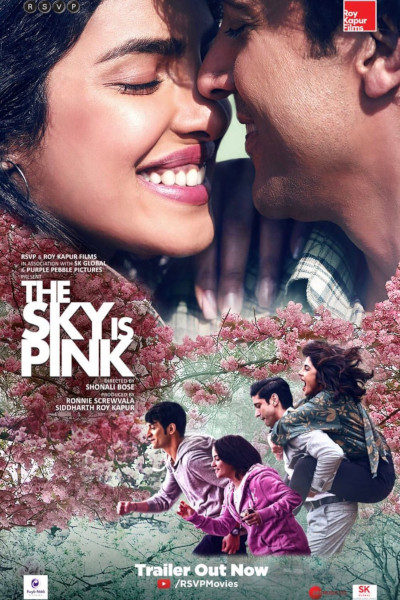
View film →Priya's death and Niren's grief — Niren Chaudhary collapses after losing his daughter Aisha; Farhan plays restrained, suffocating grief rather than melodrama, in sharp contrast to the film's tone
Critics highlighted this understated performance as a mature evolution; the scene resonated deeply with audiences dealing with loss and cemented his credibility in ensemble dramatic cinema alongside Priyanka Chopra Jonas
View film →Farhan Akhtar by the Numbers
If you watched every Farhan Akhtar film back-to-back, you'd be at it for roughly 2 days and 17h. Most-paired with Zoya Akhtar — 3 films together.
Filmography
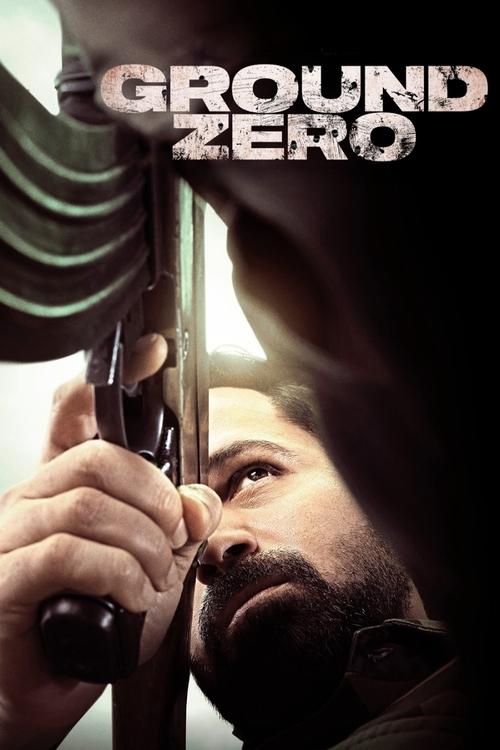
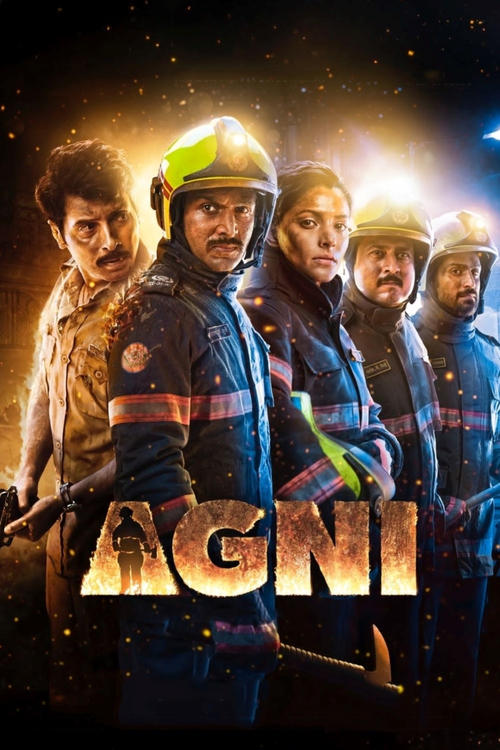
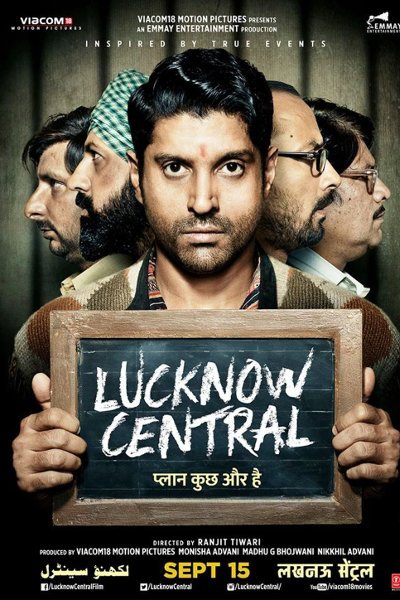
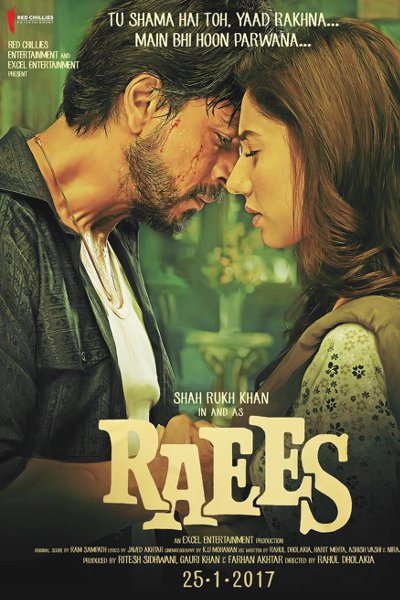
See all 30 credits →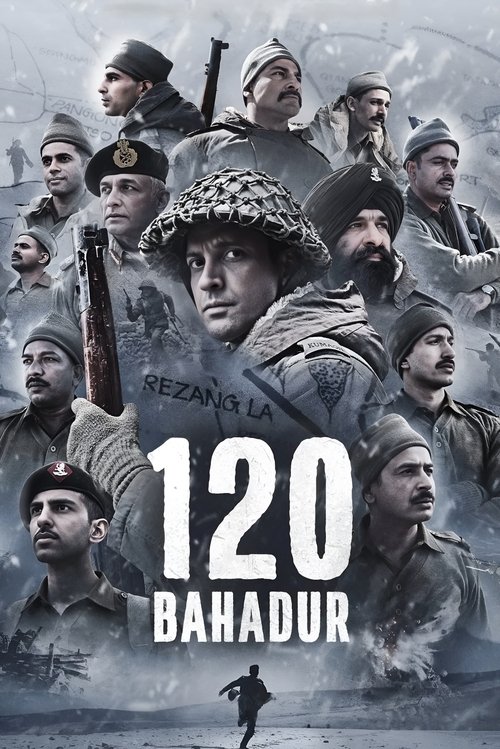

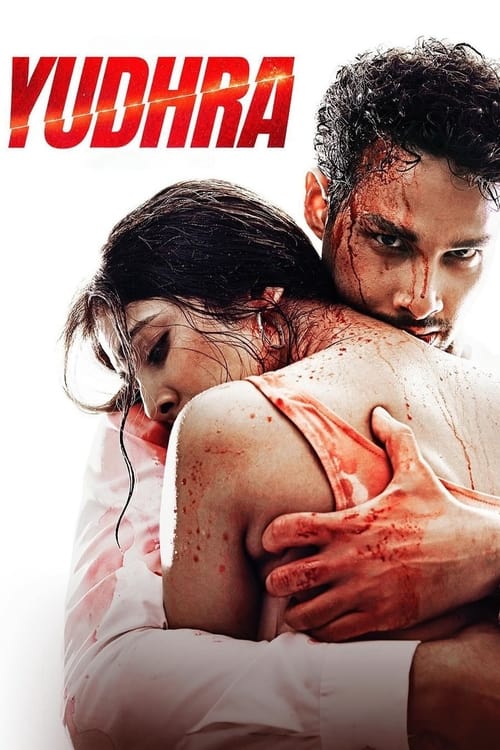
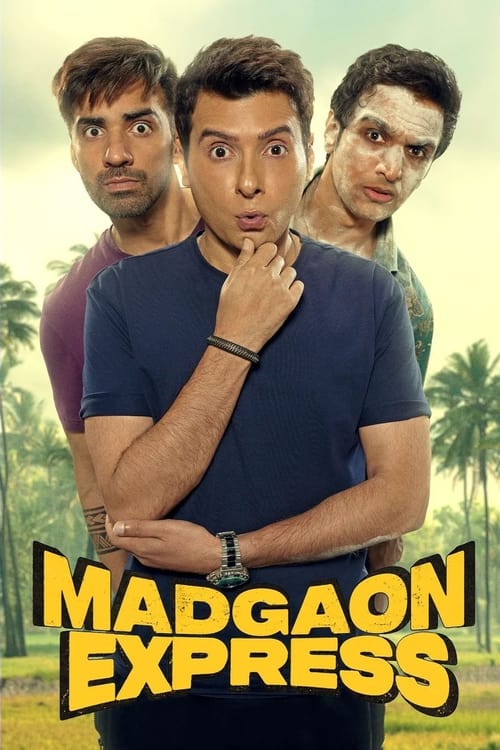
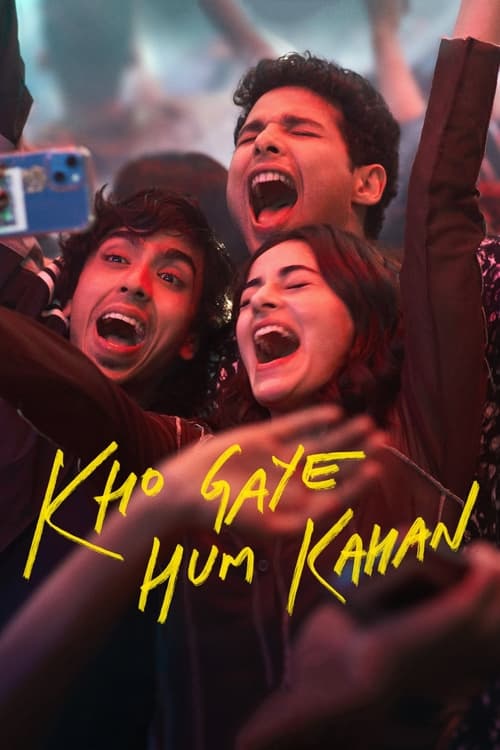
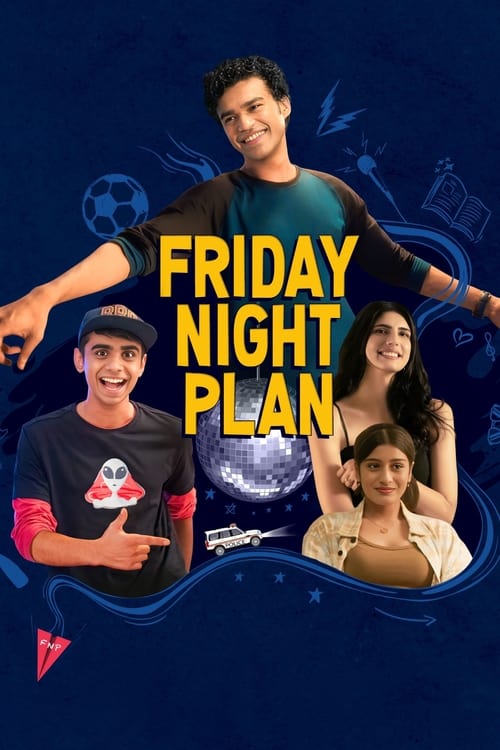
Collaboration Network
The Constellation
Top 10 most-paired collaborators. Bubble size and line thickness reflect how many films they share with Farhan Akhtar.
Career Analytics
Genre Breakdown
Language Distribution
Films by Decade
Top Co-Actors
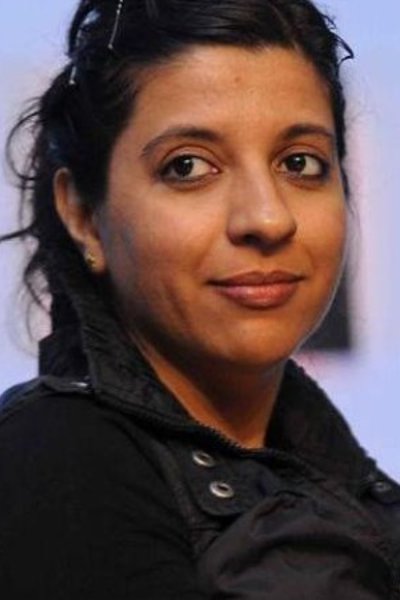
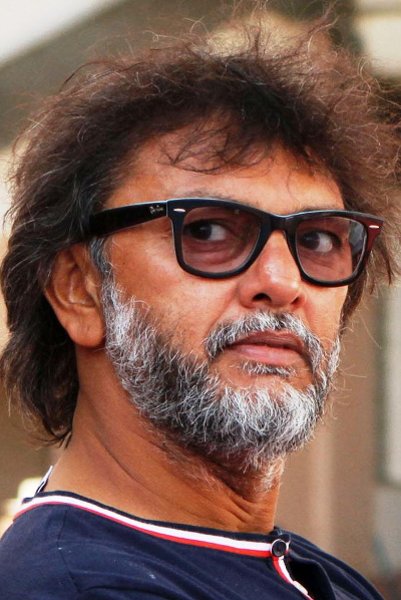
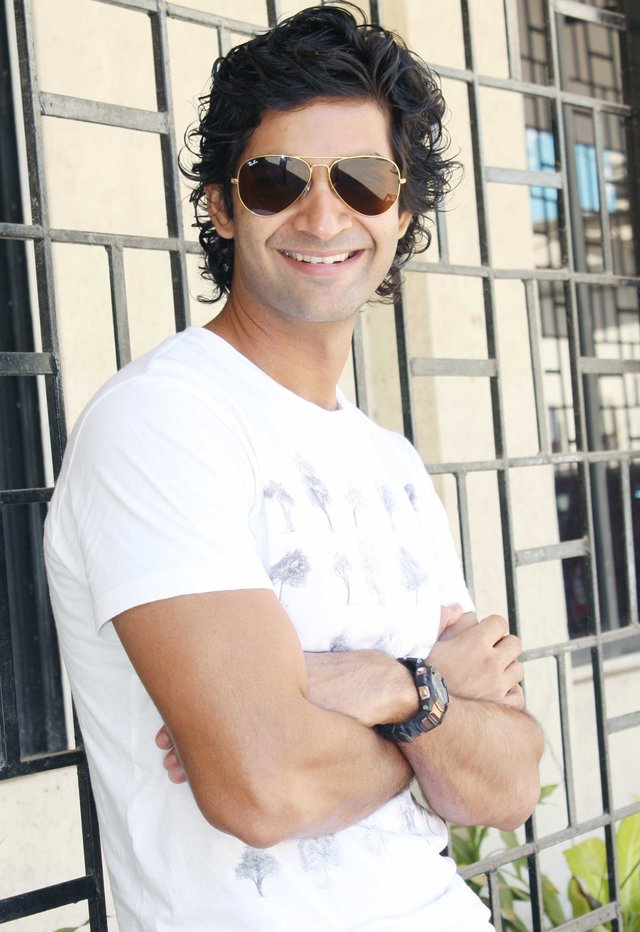
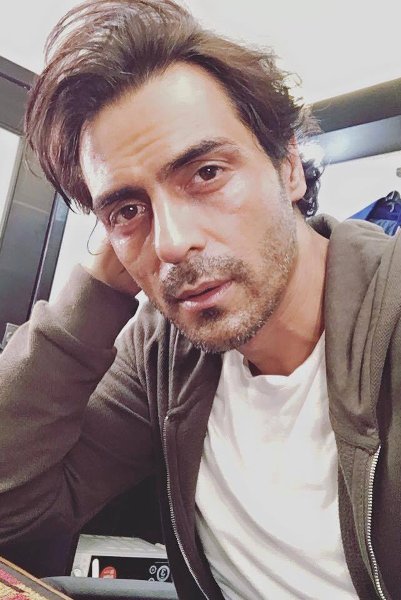
See all →Farhan Akhtar has worked most frequently with Zoya Akhtar (3 films), Rakeysh Omprakash Mehra (2 films), Priyanka Chopra (3 films), Purab Kohli (3 films), and Vivan (2 films).




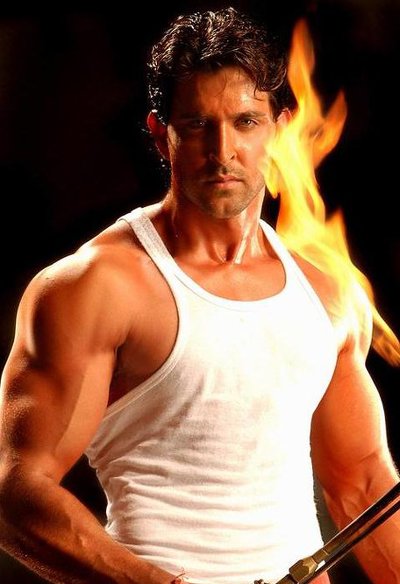
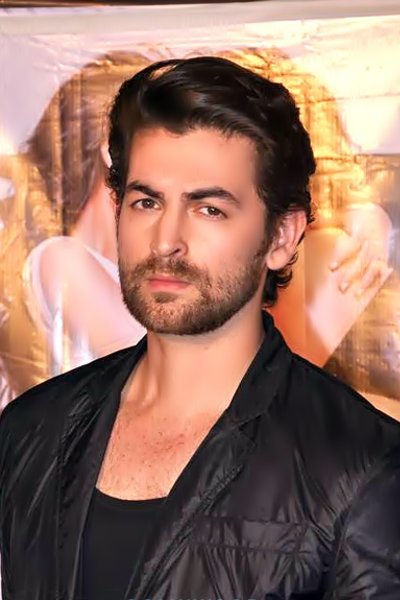
Did You Know?
He made his directorial debut with the critically acclaimed film 'Dil Chahta Hai' in 2001.
He is the founder of the production company Excel Entertainment, along with Ritesh Sidhwani.
He is a trained vocalist and has sung several songs for his own films, including 'Senorita' from 'Zindagi Na Milegi Dobara'.
He hosted the television talk show 'Oye! It's Friday!' in 2009.
He is the son of renowned lyricist and screenwriter Javed Akhtar and screenwriter Honey Irani.
Signature Dialogues
Dilon mein tum apni betabiyan leke chal rahe ho toh zinda ho tum, Nazar mein khwabon ki bijliye leke chal rahe ho toh zinda ho tum.
Imraan·Zindagi Na Milegi Dobara
Insaan ko dibbe mein sirf tab hona chahiye jab woh marr chukka ho.
Imraan·Zindagi Na Milegi Dobara
Apne area mein sab apne saamne ghutne pe gir jaate hai, naak ragadte hai — woh izzat nahi, itna malum hai.
Aziz Ali·Toofaan
Coach Nana Prabhu inke jaisa coach apun ko mil jaaye naa toh Boxing ka Bachchan ban sakta hoon main.
Aziz Ali·Toofaan
Photos
See all →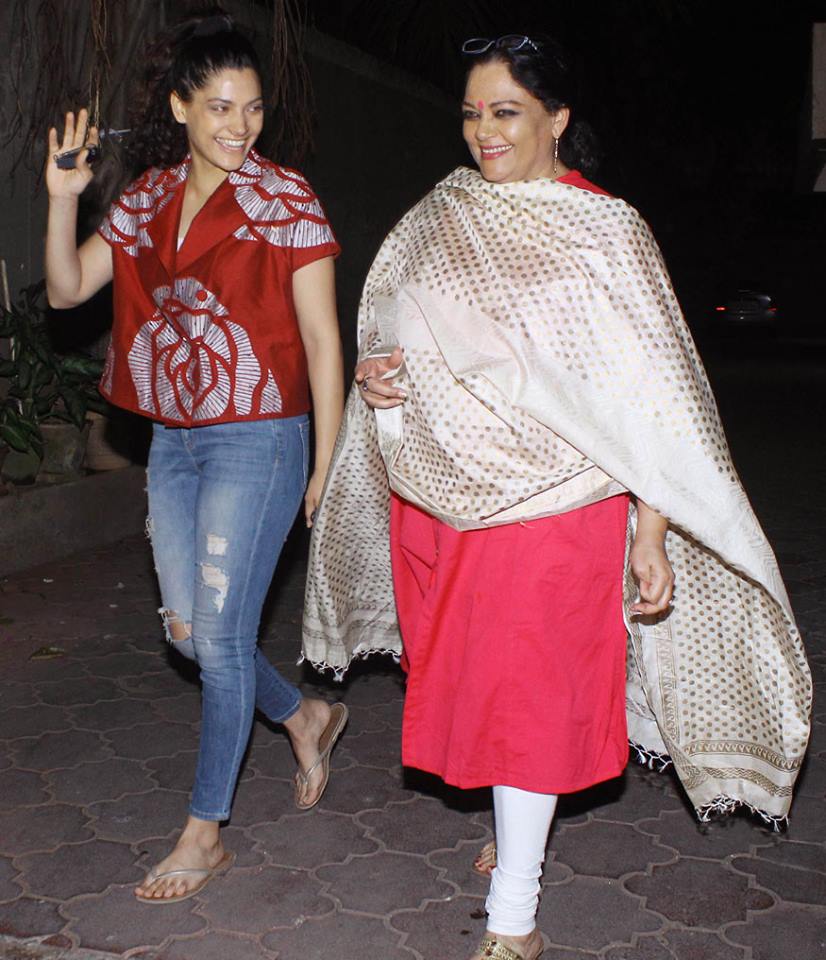
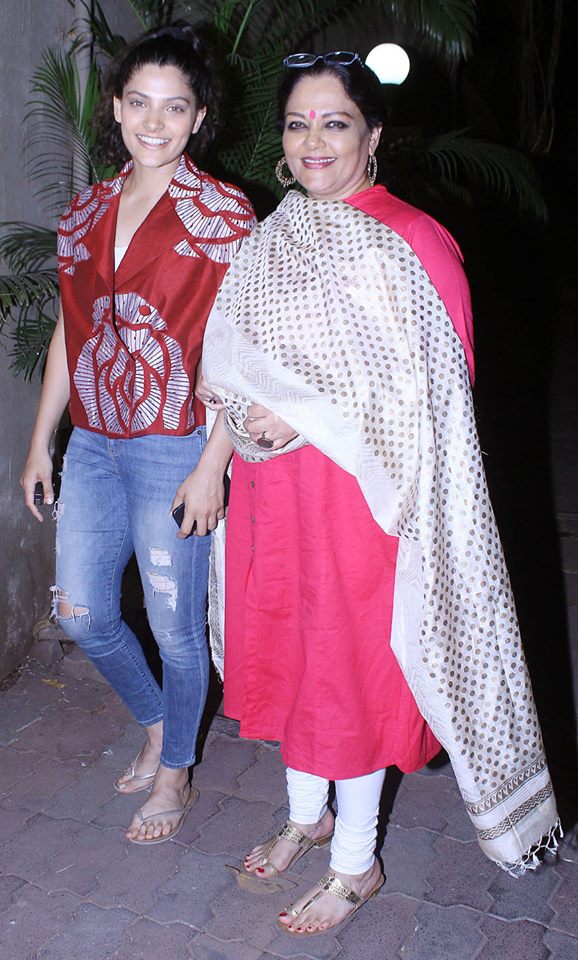
News & Stories
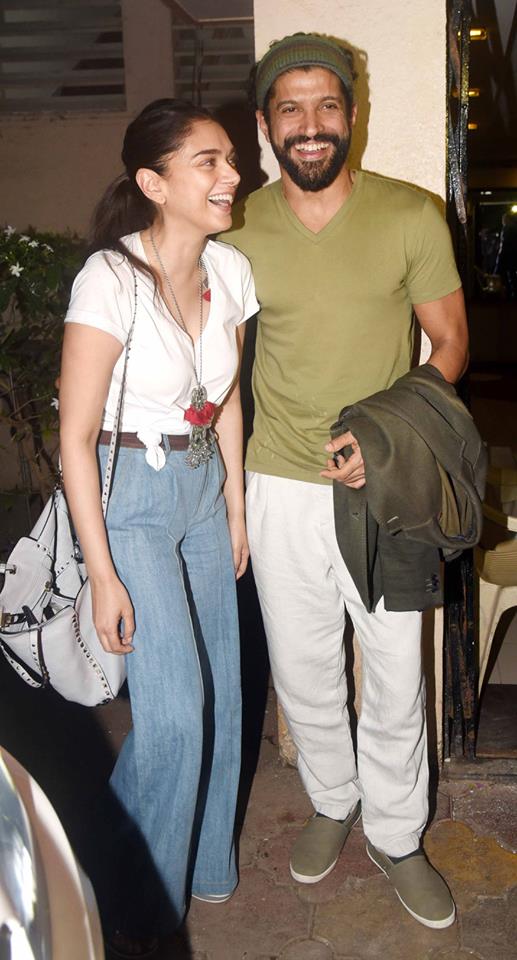
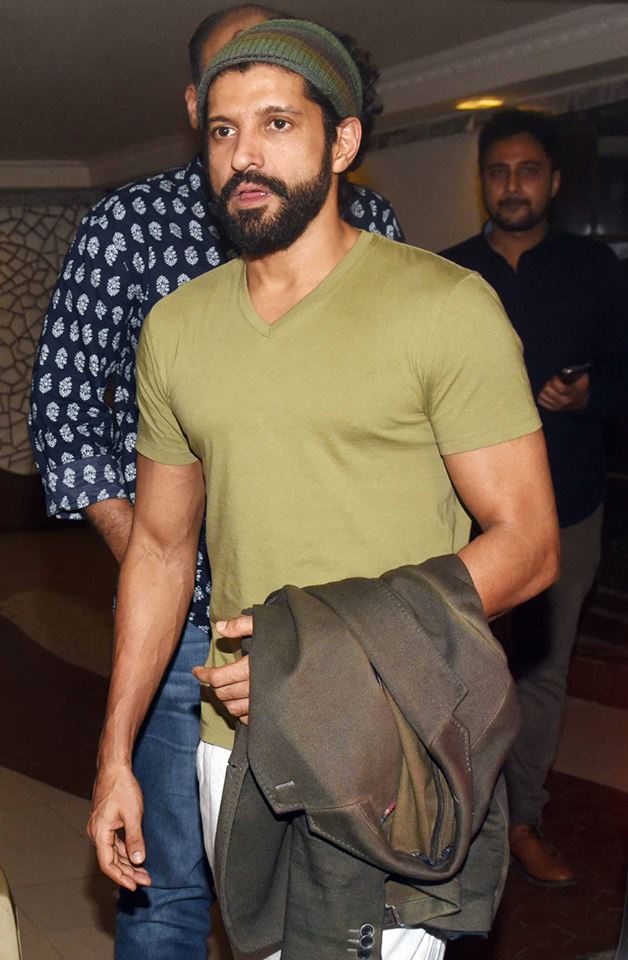
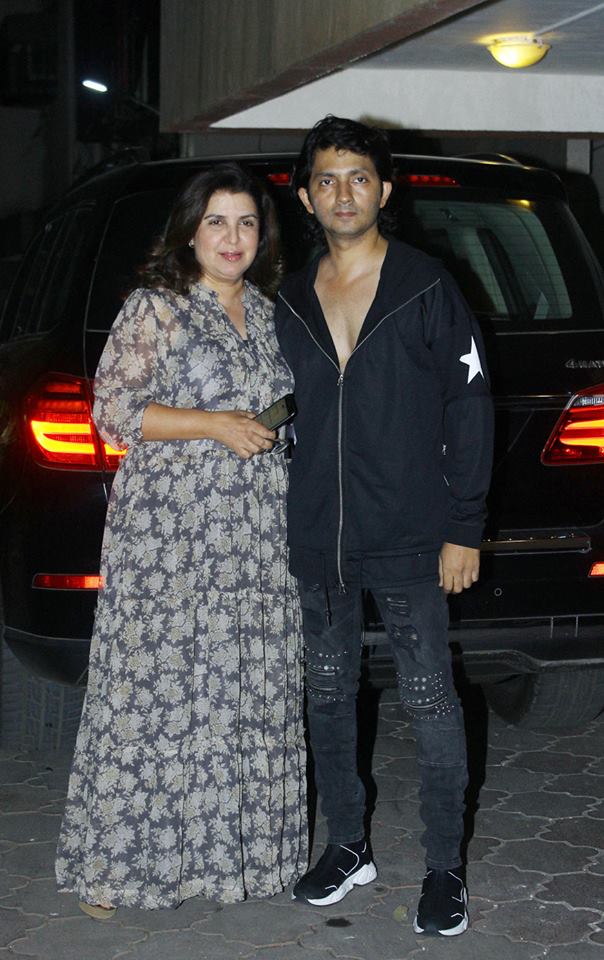
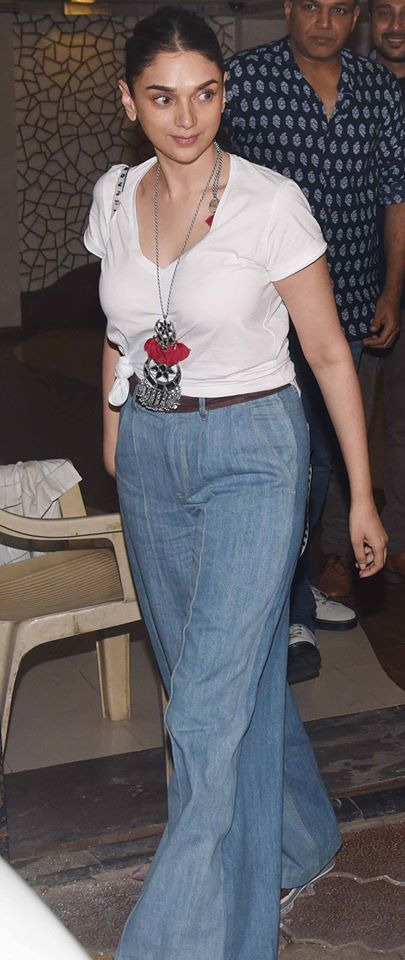
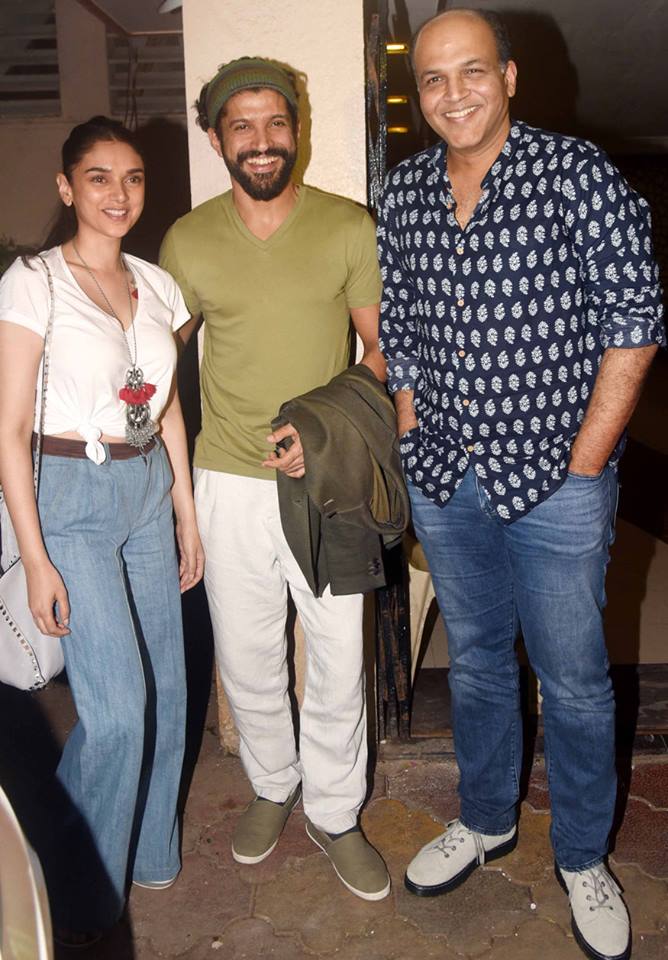
Farhan Akhtar's Birthday Party Images.
19/1/2018
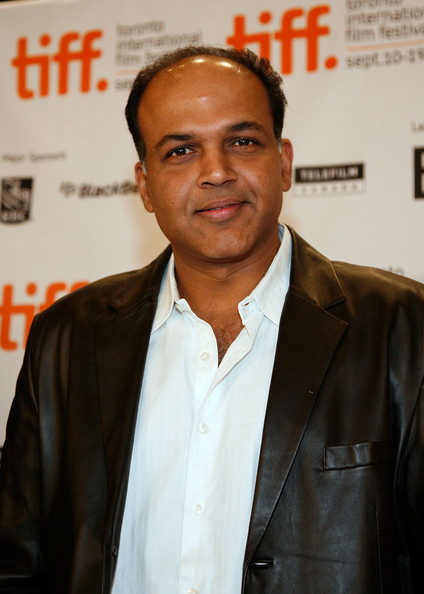
Farhan Akhtar signs up for Director Ashutosh Gowariker’s next!
19/4/2017
Legacy & Influence
Farhan Akhtar's contribution to Indian cinema is multifaceted and transformative, marking him as a key figure in the industry's modern evolution. He debuted as a director and writer with 'Dil Chahta Hai' (2001), a film that redefined urban youth narratives, friendship dynamics, and visual style in Hindi cinema. Its fresh, contemporary dialogue and character-driven storytelling influenced a generation of filmmakers and shifted industry trends towards more relatable, metropolitan stories. As a filmmaker under his production banner Excel Entertainment (co-founded with Ritesh Sidhwani), he has backed critically and commercially significant films across genres, from the cult classic 'Lakshya' (2004) to the groundbreaking 'Don' series, fostering new talent and supporting unconventional projects. His acting career, though secondary initially, gained monumental recognition with 'Bhaag Milkha Bhaag' (2013), where his immersive portrayal of athlete Milkha Singh showcased his dedication and expanded the scope of biographical dramas in India. This performance, alongside roles in films like 'Zindagi Na Milegi Dobara' (2011), cemented his reputation as a serious actor capable of carrying both mainstream entertainers and nuanced dramas. Akhtar is also a notable playback singer and lyricist, often contributing to his own films, which underscores his holistic creative involvement. Through his work, he has consistently championed progressive themes—whether addressing mental health in 'Karthik Calling Karthik' (2010) or exploring life philosophies in 'Zindagi Na Milegi Dobara'. His career trajectory from a behind-the-camera visionary to a respected on-screen performer and vocalist demonstrates a rare versatility, making him a pivotal bridge between artistic integrity and commercial success in 21st-century Indian cinema.