Vijay Krishna Acharya
Vijay Krishna Acharya is an Indian director, best known for Tamil cinema. Vijay Krishna Acharya began their career in 2004. With 30 credits to their name, Vijay Krishna Acharya remains one of the most prolific and celebrated talents in the industry. Spanning 20+ years, Vijay Krishna Acharya's career remains one of the longest and most celebrated in Tamil cinema.
Biography
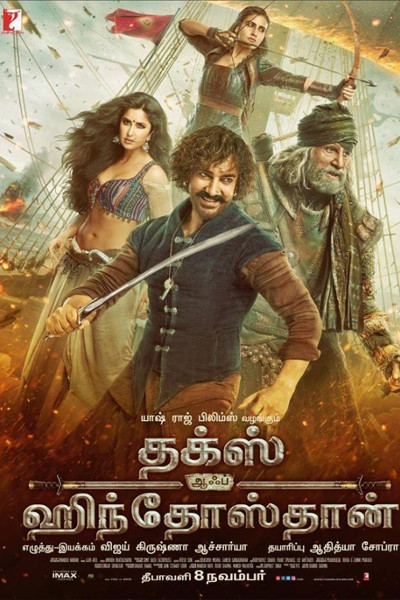
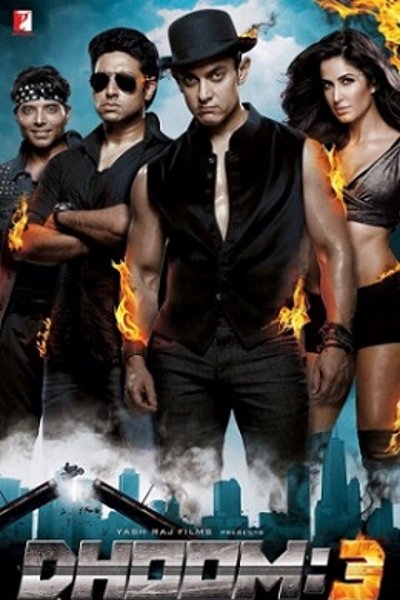
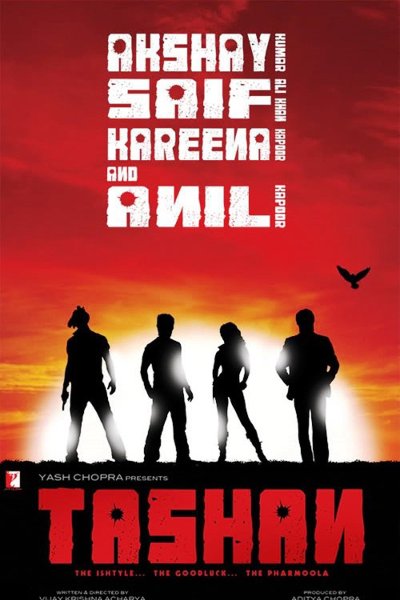
Vijay Krishna Acharya (commonly credited as "Victor" Acharya) is a Hindi cinema director and screenwriter born in Kanpur, Uttar Pradesh, known primarily for his work in big-budget Yash Raj Films productions. He made his directorial debut with Tashan (2008) before helming Dhoom 3 (2013), which starred Aamir Khan and Katrina Kaif and became the highest-grossing Bollywood film internationally at the time of its release, earning over ₹4 billion worldwide in its first ten days. His directorial style leans toward large-scale action spectacles with elaborate set pieces, as seen again in Thugs of Hindostan (2018) featuring Aamir Khan and Amitabh Bachchan, and he also wrote screenplays for the Dhoom franchise (2004–2013). His most recent directorial work is The Great Indian Family (2023), a Vicky Kaushal-led comedy-drama also produced by Yash Raj Films.
Career Milestones
Scriptwriting debut, assisting Kundan Shah
Wrote screenplay and dialogue for Dhoom franchise entries
Directorial debut
Directed Dhoom 3, which became the highest-grossing Bollywood film internationally at that time
View film →Won Telstra People's Choice Award at Indian Film Festival of Melbourne
View film →Defining Moments
The interval twist revealing Aamir Khan's dual role as Sahir and Samar — a cold-hearted thief and his innocent twin brother — kept secret until release and executed as a major narrative surprise
Considered the film's masterstroke; VKA conceived and wrote this dual-identity reveal which became one of the most talked-about plot twists in 2010s Bollywood, making Dhoom 3 the only film in the franchise with a double-role antagonist
View film →The Great Indian Circus heist sequences where Sahir uses acrobatic circus skills to rob the Western Bank of Chicago — blending spectacle, choreography and character motivation into a single cinematic idea
VKA's central creative conceit anchoring the entire film; the circus-as-weapon premise was widely praised as inventive and gave the heist sequences a visual identity distinct from the earlier Dhoom films
View film →The climactic dam chase and motorcycle stunt sequence, among the most expensive action set-pieces filmed in Bollywood at the time
Helped Dhoom 3 gross ₹4 billion in ten days, briefly making it the highest-grossing Bollywood film internationally; cemented VKA's reputation as a director capable of blockbuster-scale action
View film →The father-son backstory framing device — Iqbal's suicide after the bank forecloses his circus, driving Sahir's decade-long revenge — lending emotional weight to what could have been a pure action film
VKA's writing choice to root the villain's motivation in grief and loyalty is frequently cited by critics as what separates Dhoom 3 narratively from its predecessors
View film →Vicky's comedic yet heartfelt arc in The Great Indian Family, where a devout Hindu man discovers he may have been born Muslim — VKA's attempt at a socially conscious mainstream comedy
Marked VKA's return to directing after Thugs of Hindostan's catastrophic failure; praised for attempting nuanced identity commentary within a commercial Bollywood framework
View film →Vijay Krishna Acharya by the Numbers
If you watched every Vijay Krishna Acharya film back-to-back, you'd be at it for roughly 14 hours. Most-paired with Jackie Shroff — 2 films together.
Filmography
See all 30 credits →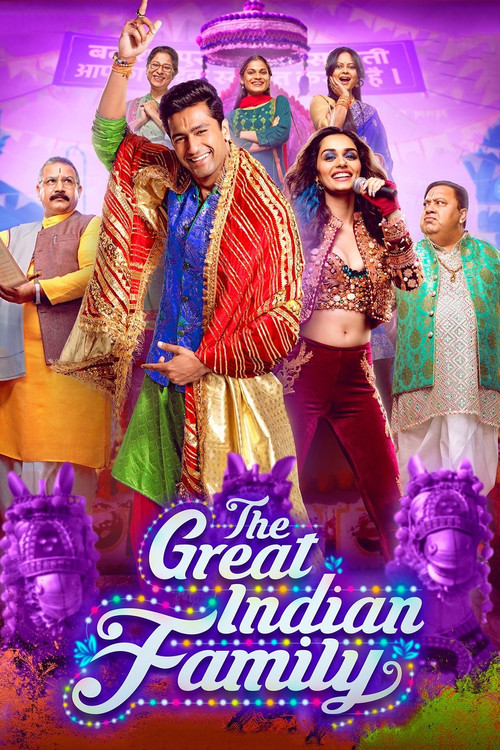
Collaboration Network
The Constellation
Top 6 most-paired collaborators. Bubble size and line thickness reflect how many films they share with Vijay Krishna Acharya.
Career Analytics
Genre Breakdown
Language Distribution
Films by Decade
Top Co-Actors
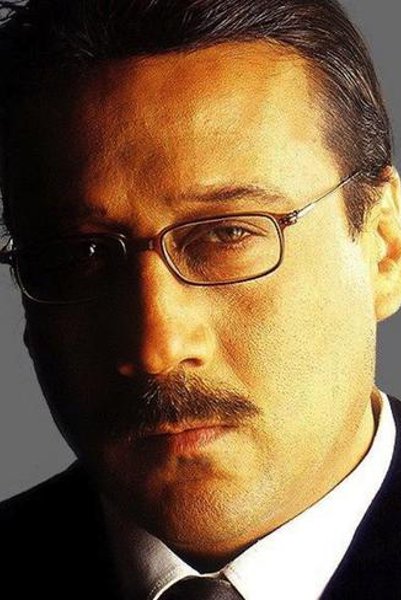
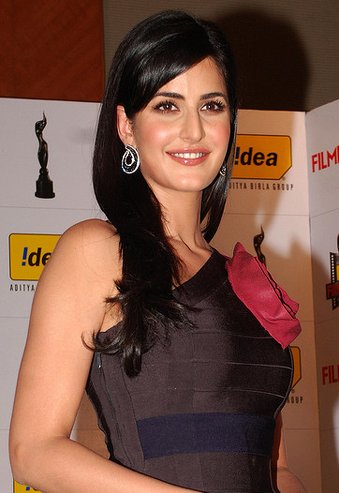
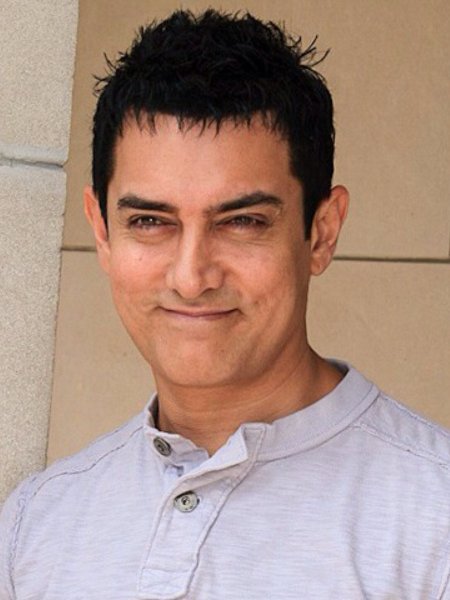
See all →Vijay Krishna Acharya has worked most frequently with Jackie Shroff (2 films), Katrina Kaif (2 films), Manoj Pahwa (2 films), Yashpal Sharma (2 films), and Kareena Kapoor (2 films).


Did You Know?
Vijay Krishna Acharya is commonly known as Victor Acharya.
He is a screenwriter and director in the Hindi film industry.
He wrote the screenplay for the blockbuster film 'Dhoom' (2004).
He made his directorial debut with the film 'Tashan' (2008).
He directed the Aamir Khan-starrer 'Thugs of Hindostan' (2018).
Legacy & Influence
Vijay Krishna Acharya, commonly known as Victor, is a significant figure in contemporary Indian cinema, primarily recognized for his work as a writer and director within the mainstream Hindi film industry. His career trajectory is closely associated with the influential filmmaker Aditya Chopra and the Yash Raj Films banner, where he has served as a key creative collaborator for over two decades. Acharya's major contribution lies in his screenwriting, most notably for the blockbuster action franchise 'Dhoom'. He is credited with writing the dialogues and screenplays for 'Dhoom' (2004) and 'Dhoom:2' (2006), films that redefined the heist and action genre in Bollywood, introducing a stylized, high-octane aesthetic and creating iconic antagonist characters that left a lasting pop culture imprint. His directorial ventures include 'Tashan' (2008), 'Dhoom:3' (2013), and 'Thugs of Hindostan' (2018). While his films as a director have met with varied critical and commercial responses, they are consistently noted for their large-scale, ambitious production design, elaborate action set pieces, and attempts to mount spectacular visual narratives. 'Dhoom:3', in particular, became one of the highest-grossing Indian films of its time, underscoring his ability to helm major tentpole releases. His work has contributed to the industrial shift towards big-budget, visually-driven spectacles aimed at a global audience. Acharya's filmography exemplifies a commitment to crafting mainstream commercial entertainers with a distinct emphasis on scale and style, solidifying his role as a prominent filmmaker within the modern Bollywood studio system.