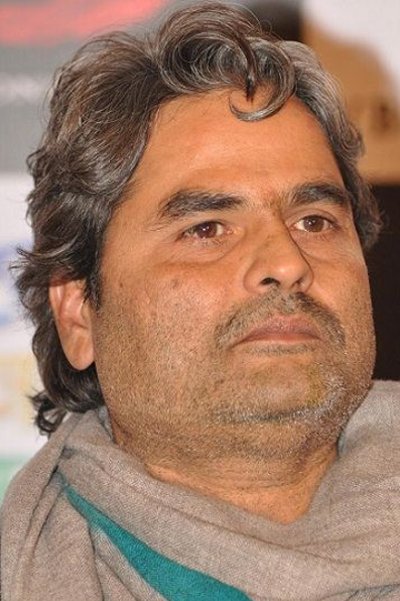
Vishal Bharadwaj
Vishal Bharadwaj is an Indian original music composer, best known for Tamil cinema. Vishal Bharadwaj began their career in 1996 and has been a prominent figure in the industry for over 30 years. With over 60 credits to their name and an average audience rating of 6.3, Vishal Bharadwaj remains one of the most prolific and celebrated talents in the industry. Spanning 30+ years, Vishal Bharadwaj's career remains one of the longest and most celebrated in Tamil cinema.
- Born
- Age
- 60

Biography
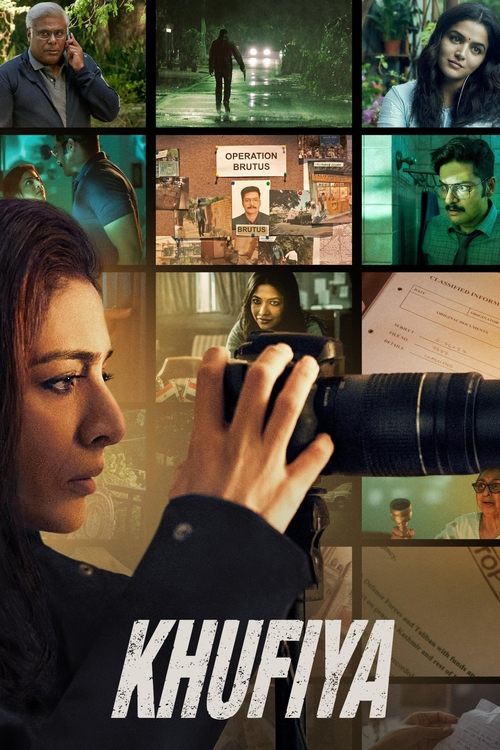
Vishal Bhardwaj (born 4 August 1965) is an Indian filmmaker, music composer, and playback singer working in Hindi cinema, best known for his dual mastery of direction and original music composition. He has won nine National Film Awards, including Best Music Direction for Godmother (1999), Ishqiya (2010), and Haider (2014), Best Screenplay for Talvar (2015), and a Special Jury Award for Omkara (2006). His compositional style is rooted in folk, classical, and rustic Hindustani traditions, which he wove through his acclaimed Shakespeare trilogy — Maqbool (2003), Omkara (2006), and Haider (2014) — and crime thrillers like Satya (1998) and No Smoking (2007). His most recent work includes the Netflix spy thriller Khufiya (2023), and he continues to be one of Hindi cinema's most distinctive auteur voices, equally celebrated as a composer and director.
Career Milestones
Breakthrough as music composer with National Film Award for Best Music Direction
Directorial debut with children's film Makdee
Critically acclaimed Shakespeare adaptation, establishing him as a major auteur filmmaker
Won National Film Award for Best Music Direction and Best Screenplay
Won National Film Award for Best Screenplay
View film →Defining Moments
Abbaji's murder scene — Maqbool kills the don while haunting, spare background score (near silence punctuated by a single melodic phrase) amplifies the psychological horror and guilt. Bhardwaj composed it to reflect Macbeth's internal collapse.
Established Bhardwaj's reputation for using music as a psychological instrument rather than mere accompaniment. The restraint of the score is widely discussed in Indian film music academia.
'Beedi Jalaile' — Bipasha Basu's item number set to raw Bundelkhandi folk idiom. Bhardwaj used earthy, rustic instrumentation and double-entendre lyrics rooted in UP dialect to reinvent the item song genre.
Redefined how regional folk music could be mainstreamed. The song became a cultural phenomenon and demonstrated Bhardwaj's signature of using folk roots as the backbone of mass entertainment.
The 'Dhan Ta Nan' opening chase sequence — twin brothers pursued through Mumbai streets, with Bhardwaj's percussive, stammer-inflected score driving the tension. The song's rhythm mirrors the protagonist's speech impediment, a compositional masterstroke.
Widely cited as one of the most innovative title tracks in Hindi cinema. Bhardwaj fused human vocal tics with music, creating a new sonic identity for Bollywood crime films.
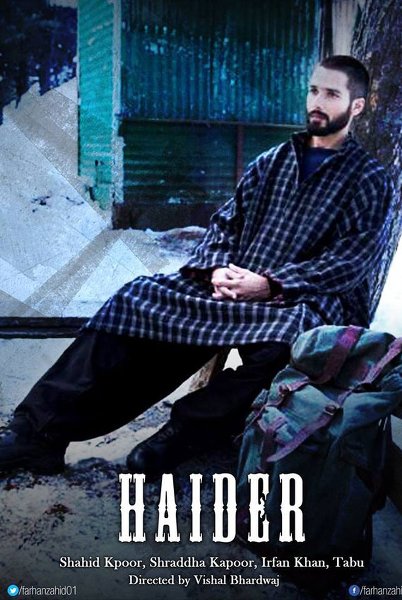
The 'Bismil' qawwali sequence — Haider and his lover dance while the two rival groups around them descend into chaos. The ecstatic sufi music underscores the tragedy unfolding, directly paralleling Shakespeare's play-within-a-play.
Considered the emotional and dramatic peak of his Shakespeare trilogy. The fusion of Kashmiri folk and qawwali to carry Hamlet's 'mousetrap' is frequently cited by critics as a high point of Indian arthouse cinema.
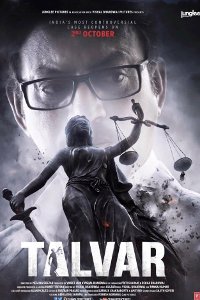
The background score for the courtroom and reconstruction sequences — Bhardwaj composed spare, unsettling music that reflected the ambiguity of the Talwar murder case, avoiding a verdict through sound design alone.
Demonstrated Bhardwaj's ability to use music to sustain moral ambiguity in a docudrama — critics noted the score never emotionally manipulates the audience toward guilt or innocence, a rare compositional choice.
View film →Vishal Bharadwaj by the Numbers
If you watched every Vishal Bharadwaj film back-to-back, you'd be at it for roughly 3 days and 2h. Most-paired with Tabu — 6 films together.
Filmography
See all 60 credits →
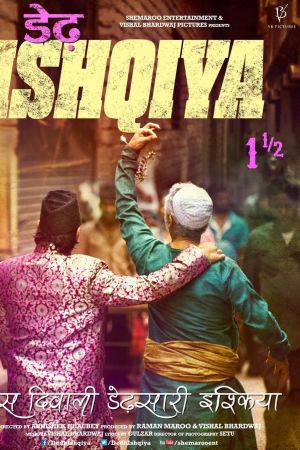
Collaboration Network
The Constellation
Top 10 most-paired collaborators. Bubble size and line thickness reflect how many films they share with Vishal Bharadwaj.
Career Analytics
Genre Breakdown
Language Distribution
Films by Decade
Top Co-Actors
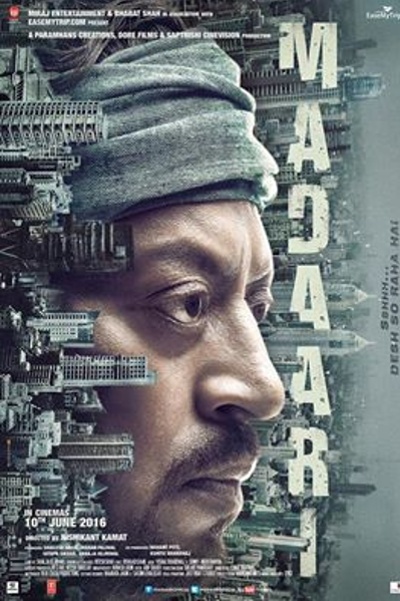
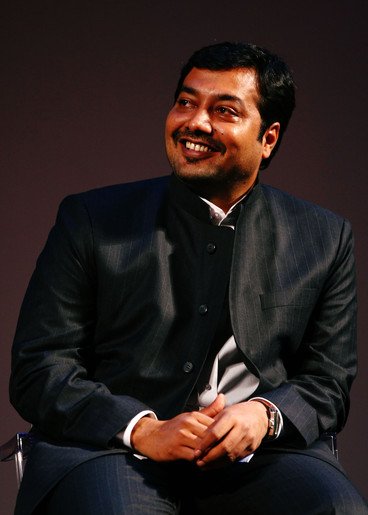
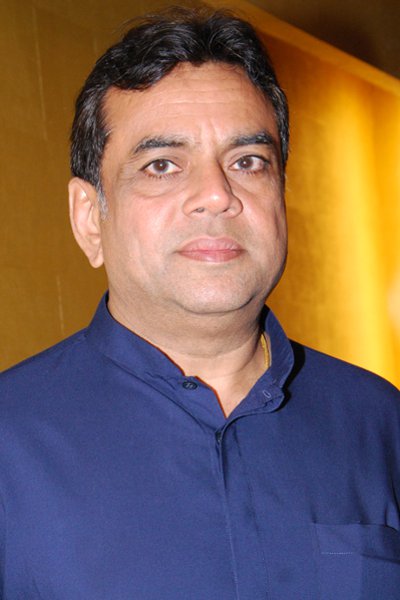
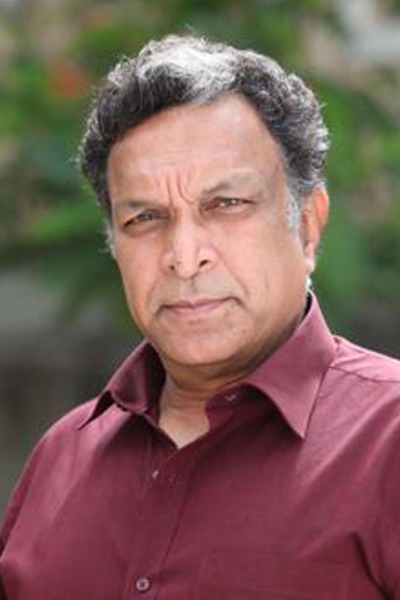
See all →Vishal Bharadwaj has worked most frequently with Nishikant Kamat (2 films), Anurag Kashyap (2 films), Tabu (6 films), Raj Zutshi (4 films), and Paresh Rawal (3 films).



Did You Know?
Vishal Bhardwaj is a self-taught musician and composer, having learned to play the harmonium by ear.
He made his directorial debut with the children's film 'Makdee' in 2002.
His film 'Haider' (2014) is an adaptation of Shakespeare's 'Hamlet', set in Kashmir.
He has adapted several of Shakespeare's plays into films, including 'Maqbool' (Macbeth) and 'Omkara' (Othello).
He is a frequent collaborator with writer and lyricist Gulzar.
Photos
See all →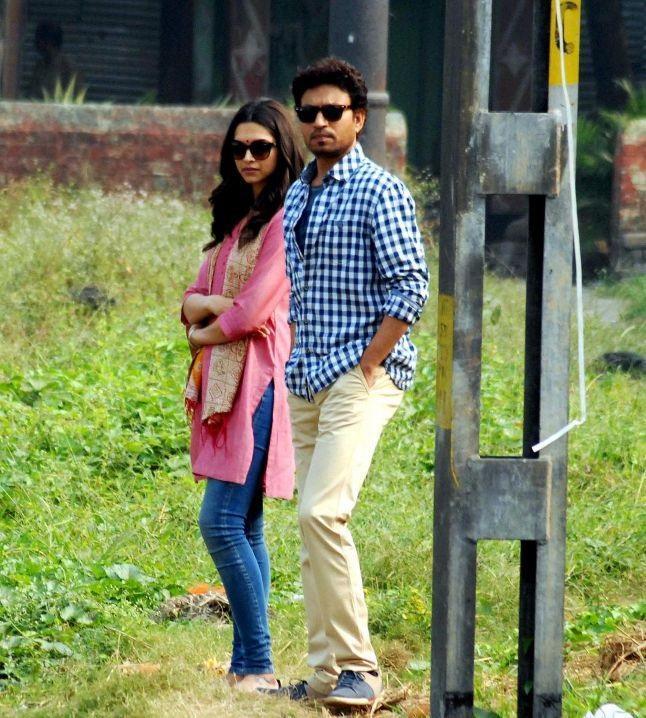
News & Stories
‘Piku’ pair to reunite for director Vishal Bharadwaj’s film
24/4/2017
Legacy & Influence
Vishal Bhardwaj has carved a distinctive and influential niche in Indian cinema by masterfully adapting Western literary classics into compelling Indian narratives, primarily through Shakespearean interpretations. His career trajectory began as a music composer, which endowed his later directorial work with a profound musicality and atmospheric depth rarely matched in Hindi filmmaking. His breakthrough came with the 'Shakespeare Trilogy' – 'Maqbool' (2003, adapting Macbeth), 'Omkara' (2006, adapting Othello), and 'Haider' (2014, adapting Hamlet). These films are celebrated for their audacious transposition of timeless themes into specific, volatile Indian milieus – the Mumbai underworld, Uttar Pradesh's political badlands, and conflict-ridden Kashmir, respectively. This approach demonstrated that literary adaptations could be deeply local, politically resonant, and cinematically innovative, influencing a wave of filmmakers to explore similar cross-cultural adaptations. Beyond Shakespeare, Bhardwaj's filmography is marked by a consistent exploration of moral ambiguity, complex characters, and dark, gritty realism, often wrapped in exceptional musical scores he composes himself. Films like 'Kaminey' (2009) and '7 Khoon Maaf' (2011) further showcase his flair for genre-bending, blending noir, thriller, and black comedy elements with intricate plots. His work has elevated the artistic ambition of mainstream Hindi cinema, proving that commercially viable films can possess substantial thematic weight, narrative complexity, and stylistic boldness. As a producer, he has championed unique directorial voices. His contribution lies in expanding the palette of Hindi cinema, introducing audiences to morally grey worlds through a synthesis of powerful storytelling, memorable music, and visual poetry, thereby influencing a generation of filmmakers to pursue more personal and auteur-driven projects within the commercial sphere.