Anil Sharma
Anil Sharma is an Indian director, best known for Tamil cinema. Anil Sharma began their career in 1983 and has been a prominent figure in the industry for over 43 years. With 30 credits to their name, Anil Sharma remains one of the most prolific and celebrated talents in the industry. Spanning 40+ years, Anil Sharma's career remains one of the longest and most celebrated in Tamil cinema.
- Born
- Age
- 68
Biography
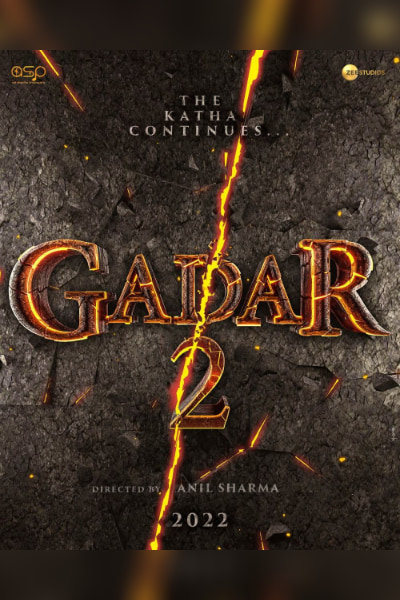
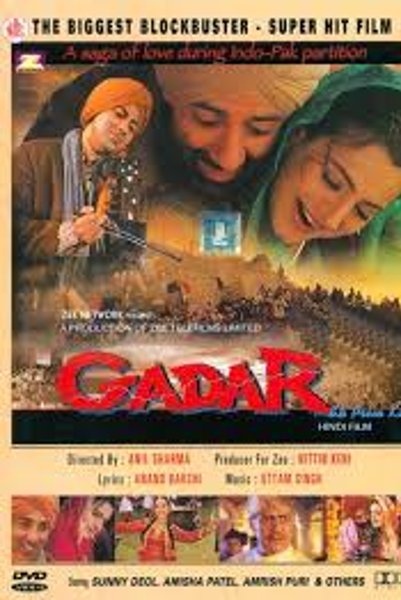
Anil Sharma is a Hindi cinema director born in Mathura, Uttar Pradesh, primarily known for directing large-scale patriotic and family-centric blockbusters over a career spanning more than four decades. His 2001 film Gadar: Ek Prem Katha, starring Sunny Deol and Amisha Patel, became one of the highest-grossing Bollywood films of its era and earned him a Filmfare Award nomination for Best Director in 2002; its 2023 sequel Gadar 2 won him the Blockbuster Director award at the Lions Gold Awards. Sharma's directorial signature combines intense nationalistic themes, mass-appeal action sequences, and strong familial values, often collaborating with Sunny Deol and his own son Utkarsh Sharma. His 2024 film Vanvaas, a father-son drama featuring Nana Patekar, continued this thematic focus and won the Technical Award for Best Story at the Zee Cine Awards 2025.
Career Milestones
Directorial debut with Shraddhanjali
Breakthrough action hit establishing commercial identity
View film →Directed Gadar: Ek Prem Katha, one of the highest-grossing Bollywood films of all time, ran for over a year in theatres
View film →Directed Ab Tumhare Hawale Watan Saathiyo, a patriotic ensemble film with Amitabh Bachchan
View film →Directed Gadar 2, which became one of the highest-grossing Hindi films ever with ₹525+ crore box office
View film →Defining Moments
Tara Singh uproots a hand pump and uses it to fight off a hostile mob after refusing to say 'Hindustan Murdabad', becoming one of Bollywood's most iconic action moments
The handpump scene became a defining symbol of Anil Sharma's mass-cinema style — an emotionally charged outburst of patriotism rendered in physically impossible but viscerally satisfying spectacle. The crew initially refused to shoot it thinking it would look fake; it went on to become one of the most memed and referenced moments in Indian cinema history.
View film →Tara Singh refuses to say 'Hindustan Murdabad' even at gunpoint, defying his father-in-law Ashraf Ali and an entire hostile crowd in Pakistan
This moment crystallises the film's central theme of love vs. national identity and became one of the most discussed patriotic sequences in Hindi cinema, fueling both widespread admiration and academic debate about nationalism in popular culture.
View film →Tara Singh tears up railway tracks with bare hands to stop a train carrying his wife Sakeena back to Pakistan
An extension of the same larger-than-life physicality that defines Anil Sharma's directorial vision; the sequence reinforced Sunny Deol's persona as an unstoppable force and became emblematic of the film's tone.
View film →Opening partition sequences depicting the 1947 riots, inter-faith romance between Tara and Sakeena set against mass violence and displacement
Anil Sharma grounded his blockbuster in historical tragedy, making Gadar one of the few mass-entertainers of its era to use the Partition as a dramatic backdrop; this tonal choice elevated the film beyond typical action fare and is frequently cited by critics discussing Partition cinema.
View film →An aged Tara Singh battles Pakistani forces again to protect his son, mirroring the original film's climax with generational continuity
Gadar 2 became one of the highest-grossing Bollywood films of 2023, proving Anil Sharma's ability to revive a 22-year-old franchise; the climactic action sequence was widely celebrated as a crowd-pleasing callback to the original's spirit.
View film →Anil Sharma by the Numbers
If you watched every Anil Sharma film back-to-back, you'd be at it for roughly 1 day and 13h. Most-paired with Dharmendra — 7 films together.
Filmography
See all 30 credits →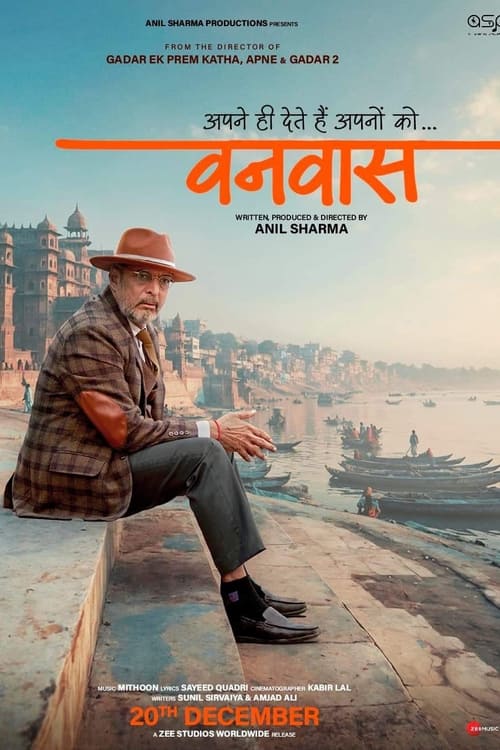
Collaboration Network
The Constellation
Top 10 most-paired collaborators. Bubble size and line thickness reflect how many films they share with Anil Sharma.
Career Analytics
Genre Breakdown
Language Distribution
Films by Decade
Top Co-Actors
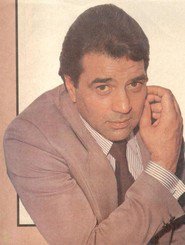
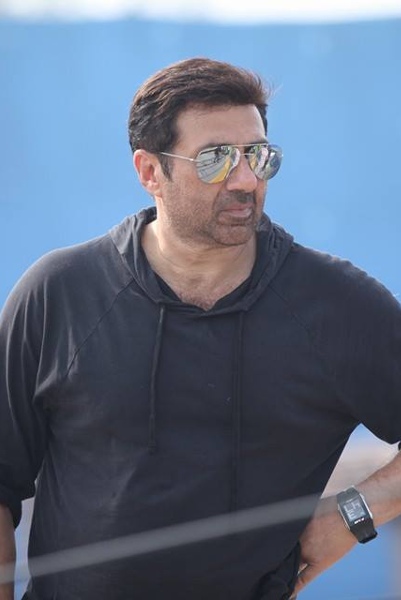
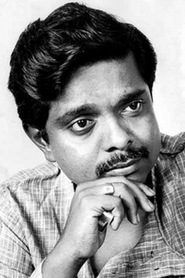
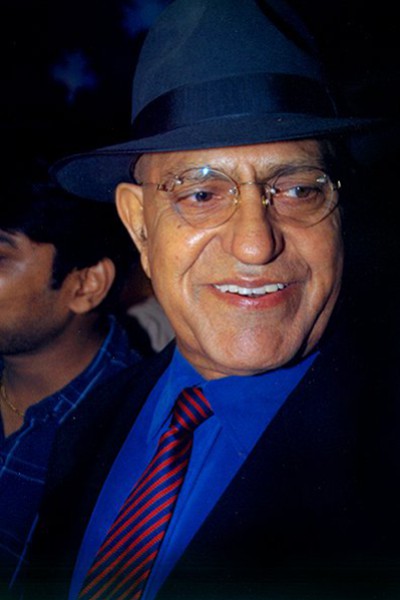
See all →Anil Sharma has worked most frequently with Dharmendra (7 films), Sunny Deol (5 films), Sadashiv Amrapurkar (4 films), Bobby Deol (3 films), and Ameesha Patel (2 films).





Legacy & Influence
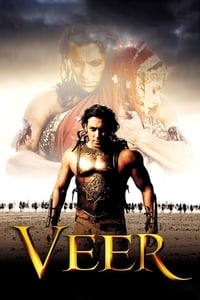
Anil Sharma is a prominent Indian film director and producer, best known for his work in the action and patriotic drama genres within Hindi cinema. His career trajectory began in the 1980s, but he achieved major commercial success and widespread recognition with the 2001 blockbuster 'Gadar: Ek Prem Katha'. This film, starring Sunny Deol and Ameesha Patel, became a cultural phenomenon and one of the highest-grossing Indian films of its time, celebrated for its high-octane action, emotional core, and portrayal of Partition-era romance. Sharma's filmmaking is often characterized by a distinct style that blends large-scale action sequences with strong nationalistic themes and family drama, creating a template that resonated deeply with mass audiences, particularly in Northern India. Following 'Gadar', he solidified his reputation with other successful action-oriented films like 'The Hero: Love Story of a Spy' (2003) and 'Veer' (2010). His contributions lie in crafting a specific brand of cinema that prioritizes raw heroism, clear moral dichotomies, and visceral entertainment, which carved a significant niche alongside the evolving urban-centric narratives of the 2000s. While his later films have had varying box office results, his impact is cemented by the enduring popularity and frequent television reruns of 'Gadar', which continues to hold a place in popular culture. His work demonstrated the sustained commercial power of certain traditional cinematic formulas when executed with conviction and scale, influencing the scope and audience targeting of subsequent mass-market entertainers.