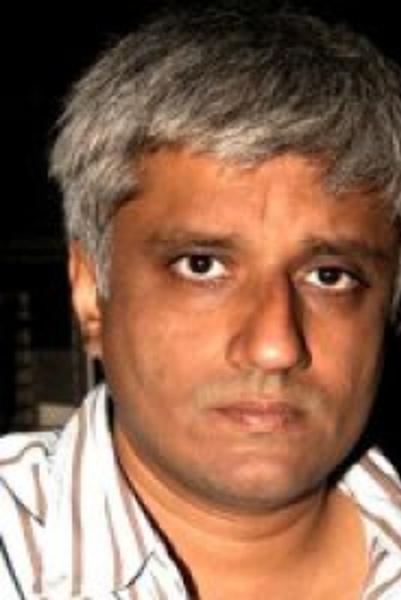
Vikram Bhatt
Vikram Bhatt is an Indian director, best known for Tamil cinema. Vikram Bhatt began their career in 1992 and has been a prominent figure in the industry for over 34 years. With over 60 credits to their name, Vikram Bhatt remains one of the most prolific and celebrated talents in the industry. Spanning 30+ years, Vikram Bhatt's career remains one of the longest and most celebrated in Tamil cinema.
- Born
- Age
- 57
Biography
Vikram Bhatt is a Hindi cinema director from Mumbai, born into a filmmaking family — his grandfather Vijay Bhatt was a pioneer of Indian cinema and his father Pravin Bhatt a noted cinematographer. He gained widespread recognition with the supernatural thriller Raaz (2002), which became a major box-office hit, and went on to build a career around horror and suspense films including Kasoor (2001), 1920 (2008), Haunted 3D (2011) — the first Bollywood film shot in 3D — and Raaz 3 (2012). His directorial style is closely associated with the horror genre, consistently exploring themes of the paranormal, guilt, and psychological dread across a franchise-driven body of work. He also directed the action comedies Ghulam (1998) and Awara Paagal Deewana (2002) before fully cementing his identity as Bollywood's preeminent horror filmmaker.
Career Milestones
Directorial debut with Janam
Breakthrough as director with mainstream Bollywood hit
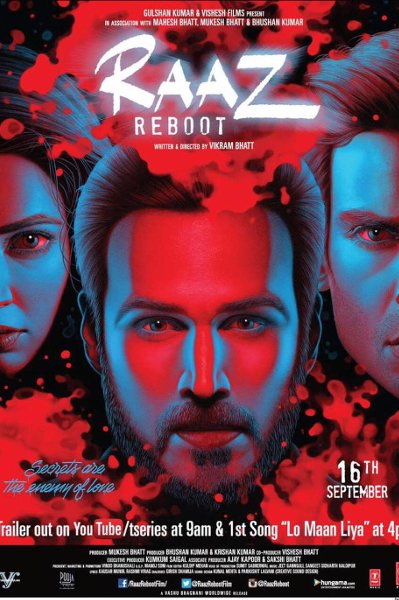
View film →Established as top horror/thriller director with blockbuster Raaz
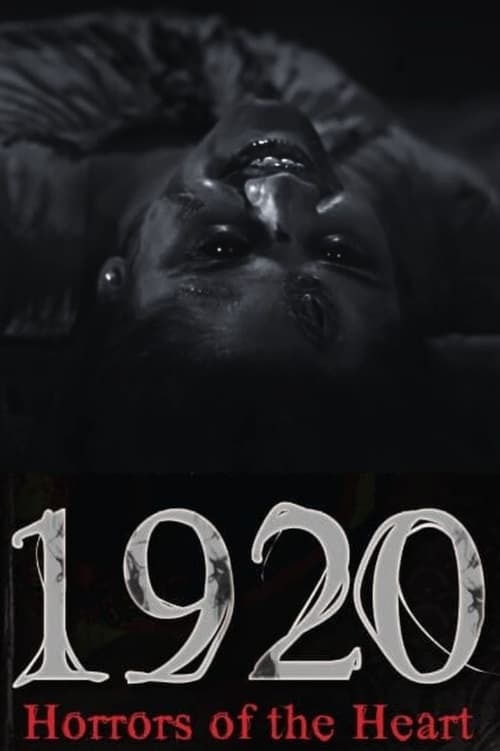
Horror comeback and franchise launch with 1920
View film →Directed Haunted 3D, one of the highest-grossing Hindi horror films and a landmark in Indian 3D cinema
Defining Moments
Aamir Khan standing on railway tracks as a speeding train approaches — a breathtaking act of defiance that became one of the most iconic images of 1990s Bollywood
This scene cemented Bhatt's ability to direct high-tension action sequences and launched Aamir Khan into a new mass-hero era. The image was widely reproduced and is frequently cited as one of Hindi cinema's most memorable single shots.
View film →Lisa Ray's character unraveling a psychological murder mystery with multiple identity twists in the third act
Kasoor brought the erotic psychological thriller to mainstream Bollywood and demonstrated Bhatt's range beyond action cinema. It was a major commercial and critical success that established him as a versatile filmmaker.
View film →The supernatural revelation and Bipasha Basu's terror sequences in the haunted haveli, blending romance with genuine dread
Raaz is credited with reviving mainstream Bollywood horror after decades of dormancy. The film's atmospheric horror approach set the template for the genre in India and spawned a long-running franchise.
The climactic exorcism sequence where Rajat — possessed and tormented — is confronted in a crumbling colonial mansion with period-accurate dread
Widely discussed as a high point of Indian supernatural horror filmmaking, the film's period setting and emotional stakes elevated Bhatt's horror craft. '1920' became a beloved franchise-starter and is consistently ranked among the best Bollywood horror films.
View film →India's first stereoscopic 3D horror sequence — the ghost manifestation scenes shot in immersive 3D that audiences had never experienced in Hindi cinema
Haunted – 3D was a technological milestone as the first stereoscopic 3D Hindi film. Bhatt pioneered the format in Indian cinema, and its use of 3D for horror atmosphere rather than spectacle was widely noted by critics.
Vikram Bhatt by the Numbers
If you watched every Vikram Bhatt film back-to-back, you'd be at it for roughly 4 days and 11h. Most-paired with Aftab Shivdasani — 7 films together.
Filmography
See all 60 credits →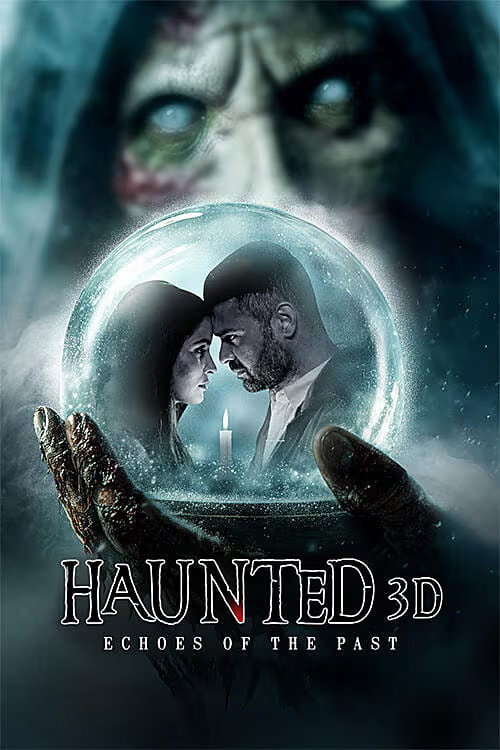






Collaboration Network
The Constellation
Top 10 most-paired collaborators. Bubble size and line thickness reflect how many films they share with Vikram Bhatt.
Career Analytics
Genre Breakdown
Language Distribution
Films by Decade
Top Co-Actors
See all →Vikram Bhatt has worked most frequently with Aftab Shivdasani (7 films), Bipasha Basu (5 films), Rahul Dev (4 films), Emraan Hashmi (4 films), and Ashutosh Rana (3 films).










Did You Know?
Vikram Bhatt is the grandson of veteran filmmaker Vijay Bhatt, who founded Prakash Pictures and directed the classic film 'Baiju Bawra' (1952).
He made his directorial debut with the 1992 film 'Junoon', which starred his cousin, actor Rahul Roy.
His 1999 horror film 'Raaz', starring Bipasha Basu and Dino Morea, was a major commercial success and revived the horror genre in Bollywood.
He is known for pioneering the use of 3D technology in Indian cinema with films like 'Haunted' (2011) and 'Dangerous Ishq' (2012).
Vikram Bhatt founded his own production company, Lone Ranger Productions, after leaving ASA Productions in 2014.
Legacy & Influence
Vikram Bhatt is a significant figure in contemporary Indian cinema, particularly known for pioneering and popularizing the horror and erotic thriller genres in the 2000s and 2010s. His career trajectory began with assisting director Mahesh Bhatt, his uncle, before making his directorial debut with 'Jaanam' (1992). However, it was the blockbuster success of the romantic thriller 'Ghulam' (1998), starring Aamir Khan, that established him as a major commercial director. Bhatt's most defining contribution came with the 2002 supernatural horror film 'Raaz', a major critical and commercial hit that revitalized the horror genre in Bollywood and spawned a successful franchise. He consistently explored this space with films like '1920' (2008), 'Haunted' (2011)—notable as India's first 3D horror film—and 'Creature 3D' (2014), blending traditional horror tropes with new technology and production values. Parallelly, he developed a distinctive style of erotic thrillers and dramas such as 'Kasoor' (2001), 'Aawarapan' (2007), and the 'Hate Story' series, often exploring themes of forbidden love, guilt, and revenge. His work is characterized by a strong sense of mood, atmospheric music (frequently collaborating with composers like Nadeem-Shravan and Mithoon), and a focus on visceral storytelling over critical acclaim. As a producer and through his former company ASA Productions, he also provided a platform for new directors and actors. While his films have often divided critics, his unwavering focus on specific, audience-driven genres has carved a unique and influential niche, demonstrating a keen understanding of the market and contributing substantially to the diversification of mainstream Hindi cinema's offerings beyond conventional romance and drama.