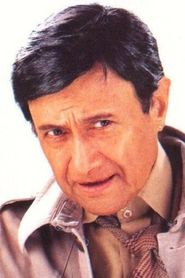
Dev Anand
Dev Anand is an Indian actor, best known for Tamil cinema. Dev Anand began their career in 1980 and has been a prominent figure in the industry for over 46 years. With 30 credits to their name, Dev Anand remains one of the most prolific and celebrated talents in the industry. Spanning 40+ years, Dev Anand's career remains one of the longest and most celebrated in Tamil cinema.
- Born
- Age
- 102
Biography
Dev Anand (born Dharamdev Pishorimal Anand) was a leading Hindi cinema actor, director, and producer whose career spanned over six decades and more than 110 films. He starred in major commercial hits including Jewel Thief (1967), Swami Dada (1982), Awwal Number (1990), and Return of Jewel Thief (1996), and was honored with the Padma Bhushan in 2001 and the Dadasaheb Phalke Award in 2002. Known for his trademark tilted-hat style and romantic screen persona, he consistently played charismatic, stylish protagonists across crime thrillers, romances, and action films. He continued directing and producing into his later years, including Love at Times Square (2003), which he directed and starred in at age 80.
Iconic Roles
Guide
A tourist guide who transforms into a reluctant spiritual guru after imprisonment, based on R.K. Narayan's novel; widely regarded as Dev Anand's career-defining performance.
Jewel Thief
A man mistaken for a notorious jewel thief in a suspenseful thriller that kept audiences guessing his true identity throughout.
C.I.D.
A detective investigating the murder of a journalist about to expose a powerful criminal; one of his defining early roles that cemented his screen persona.
Hare Rama Hare Krishna
A caring elder brother searching for his estranged sister who has fallen into hippie drug culture; Dev Anand also wrote, directed, and produced this film.
Baazi
A gambler entangled in crime in this Guru Dutt-directed noir, regarded as the role that established Dev Anand's iconic 'cool anti-hero' persona.
Defining Moments
The nightclub and underground crime sequences in his noir-era films, particularly his cool, fast-talking gambler roles that established the 'Dev Anand style' — tilted hat, rapid dialogue, carefree swagger
Baazi, directed by Guru Dutt, established Dev Anand as the definitive Bombay Noir hero. His screen persona — charming outsider navigating a corrupt world — became one of Hindi cinema's most imitated archetypes.
Raju Guide's transformation from a corrupt guide to a self-sacrificing saint — the climactic rain scene where he fasts unto death for a drought-stricken village
Considered one of the greatest performances in Hindi cinema history. The film was India's official Oscar entry and Time magazine ranked it among the best Bollywood classics. Dev Anand broke his romantic hero mold to portray a deeply flawed, morally complex character.
The courtroom and moral reckoning scenes where Raju is torn between his love for Rosie and his exploitation of her talent — the noir-tinged guilt sequence
Showcased Dev Anand's dramatic range beyond his charming-rogue persona; the internal conflict portrayed here is widely cited by critics as the emotional heart of the film.
The double-role deception sequences where Dev Anand plays both Vinay and the elusive jewel thief Amar, keeping audiences guessing throughout
Defined the Bollywood spy-thriller genre. Dev Anand's suave, stylish performance with razor-sharp wit became the template for the Hindi screen hero of the late 1960s.
Dev Anand searching desperately through Kathmandu's hippie communes for his drug-addicted sister Janice, confronting the counterculture head-on
A bold social commentary on the hippie movement and drug menace. Dev Anand wrote, produced, and directed it, launching Zeenat Aman to stardom. The 'Dum Maro Dum' sequence became a cultural landmark of 1970s Indian cinema.
Dev Anand by the Numbers
If you watched every Dev Anand film back-to-back, you'd be at it for roughly 2 days and 8h. Most-paired with Jackie Shroff — 3 films together.
Filmography
See all 30 credits →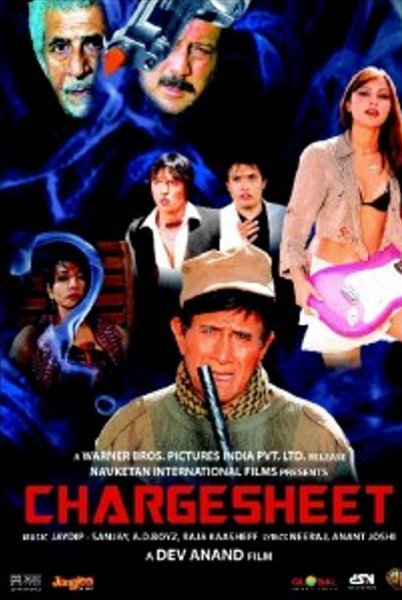
Collaboration Network
The Constellation
Top 10 most-paired collaborators. Bubble size and line thickness reflect how many films they share with Dev Anand.
Career Analytics
Language Distribution
Films by Decade
Top Co-Actors
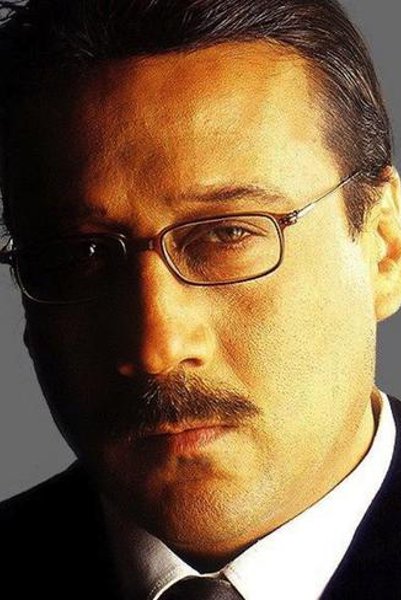
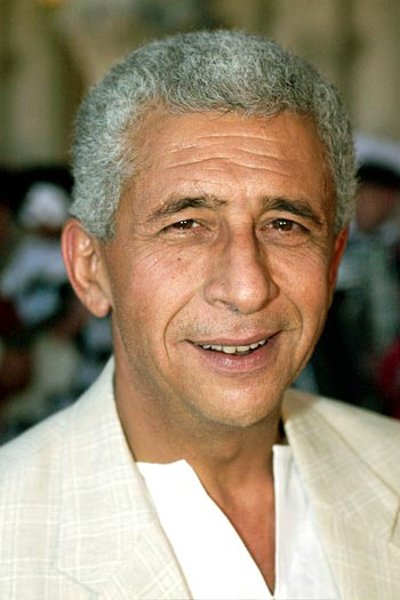
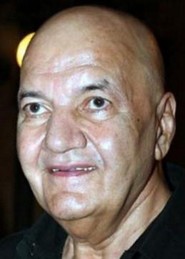
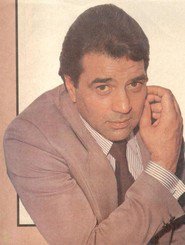
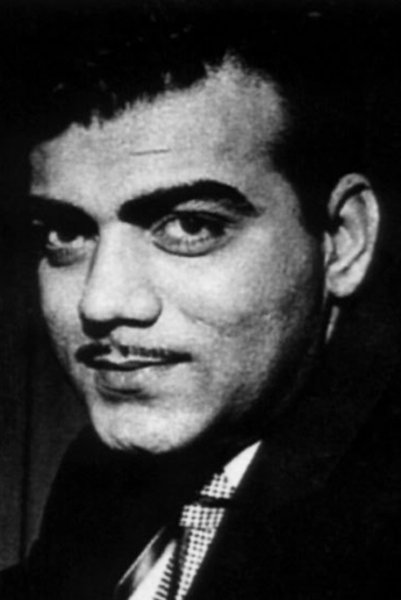
See all →Dev Anand has worked most frequently with Jackie Shroff (3 films), Naseeruddin Shah (3 films), Kiran Kumar (2 films), Milind Gunaji (2 films), and Prem Chopra (2 films).



Did You Know?
Dev Anand's real name was Dharam Dev Pishorimal Anand.
He co-founded Navketan Films in 1949 with his elder brother Chetan Anand.
He was known for his distinctive style, often wearing tilted hats, scarves, and delivering dialogue with a unique head tilt.
He received the Padma Bhushan, India's third-highest civilian award, in 2001.
He was awarded the Dadasaheb Phalke Award, India's highest award in cinema, in 2002.
Legacy & Influence
Dev Anand was a seminal figure in Hindi cinema, whose career spanned over six decades and left an indelible mark on its style, substance, and spirit. He debuted in the 1946 film 'Hum Ek Hain' but rose to prominence with the 1949 noir 'Ziddi', establishing his signature persona. A founding pillar of the iconic Anand family, he co-founded Navketan Films in 1949, a production house that became synonymous with innovative, socially relevant, and stylish cinema, introducing talents like Guru Dutt and Vijay Anand. His career trajectory is a map of Hindi cinema's evolution. In the 1950s and early 1960s, he delivered critically acclaimed performances in classics like 'Baazi' (1951), 'Taxi Driver' (1954), 'Kala Pani' (1958), and 'Hum Dono' (1961), often portraying the charming, morally complex urban hero. His collaboration with composer S.D. Burman and lyricists like Sahir Ludhianvi produced timeless soundtracks that defined an era. The 1965 film 'Guide', based on R.K. Narayan's novel and directed by his brother Vijay Anand, stands as his magnum opus. His portrayal of Raju, the flawed tour guide who transforms into a spiritual figure, showcased his dramatic depth and remains one of Indian cinema's most celebrated performances. From the late 1960s through the 1970s, he reinvented himself as the evergreen romantic hero in a string of successful, youth-oriented films like 'Jewel Thief' (1967), 'Johnny Mera Naam' (1970), and 'Hare Rama Hare Krishna' (1971). The latter, which he also directed, tackled the contemporary issue of Western counterculture and drug abuse, demonstrating his willingness to engage with bold themes. His contribution extends beyond acting; as a director and producer for Navketan, he championed new narratives and maintained creative control. Even in his later decades, he continued to direct and act with unwavering passion, symbolizing relentless artistic energy. Dev Anand's legacy is that of a timeless star—a trendsetter in fashion, mannerisms, and dialogue delivery whose joie de vivre and distinctive style (the tilted head, the quick delivery) inspired generations. He embodied the modern, cosmopolitan Indian hero and expanded the commercial and artistic vocabulary of mainstream Hindi cinema.