Javed Sheikh
Javed Sheikh is an Indian actor, best known for Tamil cinema. Javed Sheikh began their career in 2006 and has been a prominent figure in the industry for over 20 years. With 30 credits to their name, Javed Sheikh remains one of the most prolific and celebrated talents in the industry. Javed Sheikh is one of the most closely watched talents of their generation, with a rapidly growing body of acclaimed work.
- Born
- Age
- 71
Biography
Javed Sheikh (also spelled Jawed Sheikh) is a Pakistani actor, director, and producer who has worked extensively in both Pakistani cinema (Lollywood) and Hindi cinema (Bollywood). After debuting in Lollywood with Dhamaka (1974) and appearing in over 100 Urdu and Punjabi films, he transitioned to Bollywood in the mid-2000s, with notable roles in Namastey London (2007), Om Shanti Om (2007), and Apne (2007). He is known for playing dignified patriarch and authority figures, a role he reprised opposite Ranbir Kapoor in Imtiaz Ali's Tamasha (2015). His career spans five decades across two national film industries, and his children Momal Sheikh and Shahzad Sheikh have both followed him into acting.
Career Milestones
Film debut in Lollywood (Pakistani cinema)
Directing debut in Pakistani cinema
Bollywood crossover debut
View film →Iconic role as Shah Rukh Khan's father in major Bollywood blockbuster
View film →Acclaimed performance as Parvez Khan in hit romantic comedy
View film →Iconic Roles
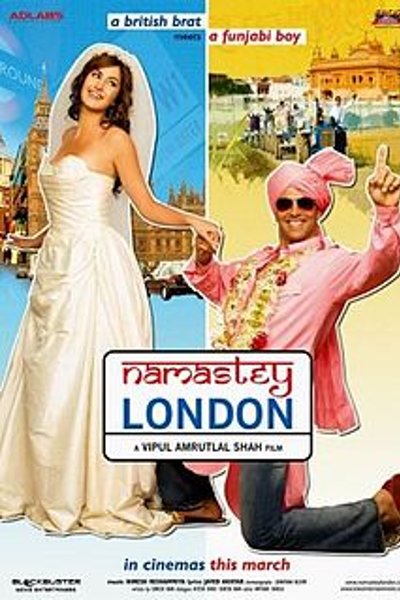
Namastey London
Portrayed a strict Pakistani father living in London who disapproves of his son's relationship; critics praised the role for bringing pathos and dignity to an anguished father figure.
Om Shanti Om
Played a veteran actor in this meta-Bollywood film; his scenes alongside Shah Rukh Khan became widely circulated online with over 30 million views.
Jaan-E-Mann
Supporting role in this romantic comedy featuring Salman Khan and Preity Zinta.
Defining Moments
As Srikant Vardhan, a powerful antagonist whose authoritative screen presence drove the political thriller's conflict involving ambitious young politicians.
One of his early Bollywood outings that demonstrated his ability to carry menacing, authoritative roles — a departure from his earlier 'chocolate hero' image and a key step in his Bollywood transition.
View film →Playing Rajesh Kapoor, Shah Rukh Khan's father in the second half of Om Shanti Om — a reincarnation drama where his character is the celebrated film star father of Om Kapoor. Javed Sheikh accepted the role for just Re. 1 as a matter of honour, calling it a privilege to play SRK's father in his biggest film.
Widely discussed for the symbolic gesture of accepting Rs. 1 as fee; the role brought him mainstream Bollywood recognition and is frequently cited as his most talked-about Hindi film appearance.
View film →As Parvez Khan, a Pakistani father torn between traditional values and his son's modern lifestyle in London. His portrayal of paternal anguish and dignity in confronting his son over a live-in relationship with a British girl was praised by critics.
Critics specifically noted the pathos and dignity he brought to Parvez Khan; this role, alongside Om Shanti Om in the same year, marked his peak Bollywood visibility and established him as a dependable character actor.
View film →His career-defining run as the charming 'chocolate hero' of Lollywood in the 1970s–80s, followed by his directorial debut with Mushkil (1995) and comeback as a character actor — a five-decade arc rarely seen in South Asian cinema.
Frequently cited in profiles as a unique example of a star who reinvented himself from romantic lead to respected character actor across two film industries, earning him enduring recognition across Pakistan and India.
Playing Ranbir Kapoor's father in the emotionally layered drama Tamasha, appearing in a supporting capacity that reinforced his status as a go-to actor for dignified father figures in prestige Bollywood productions.
Cemented his recurring archetype as a screen father of major Bollywood stars, bridging his Pakistani stardom with continued relevance in Hindi cinema a decade after his Bollywood debut.
Javed Sheikh by the Numbers
If you watched every Javed Sheikh film back-to-back, you'd be at it for roughly 1 day and 8h. Most-paired with Katrina Kaif — 3 films together.
Filmography
See all 30 credits →

Collaboration Network
The Constellation
Top 10 most-paired collaborators. Bubble size and line thickness reflect how many films they share with Javed Sheikh.
Career Analytics
Language Distribution
Films by Decade
Top Co-Actors
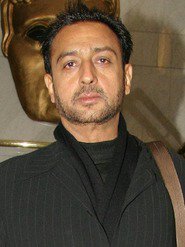
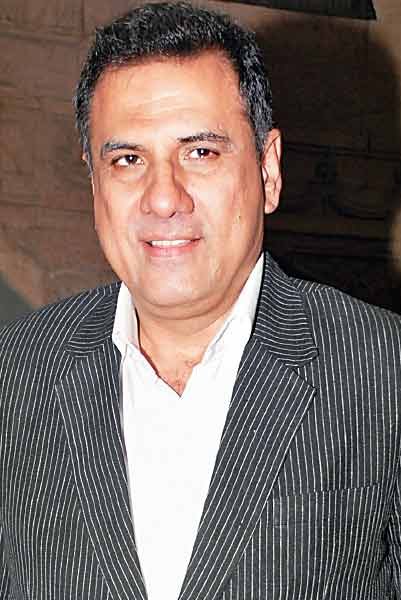
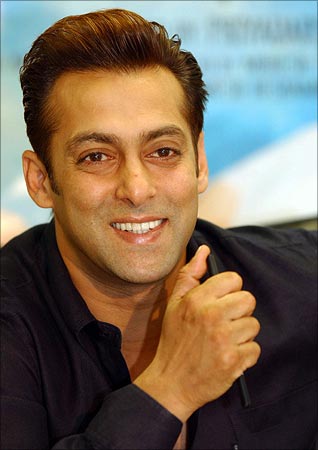
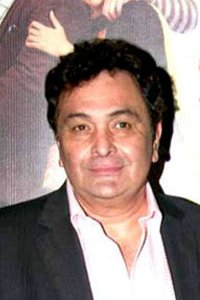
See all →Javed Sheikh has worked most frequently with Katrina Kaif (3 films), Deepika Padukone (2 films), Gulshan Grover (2 films), Boman Irani (2 films), and Salman Khan (2 films).




Did You Know?
Javed Sheikh is a Pakistani actor, director, and producer who has worked extensively in both Pakistani and Indian cinema.
He made his acting debut in the Pakistani film 'Yeh Aman' in 1971.
He is the father of actors Shehzad Sheikh and Momal Sheikh.
He received the Pride of Performance award from the President of Pakistan in 2012 for his contributions to the arts.
He has directed several Pakistani films, including 'Mujhe Chand Chahiye' (2000).
Legacy & Influence
Javed Sheikh is a distinguished and versatile figure in Indian and Pakistani cinema, whose career spans acting, directing, and producing. While his primary cinematic base is in Pakistan, his impactful forays into Indian cinema, particularly during the 2000s, have made him a recognizable and respected face across borders. His contribution lies in embodying dignified, often patriarchal or mentor-like roles that added depth and authenticity to the narratives. In Indian films, he is notably remembered for his performance as Parvez Khan, the understanding father in the cross-cultural romance 'Namastey London' (2007), a role that resonated with audiences for its warmth and nuanced portrayal of a father navigating tradition and modernity. His appearances in other significant Indian productions like 'Om Shanti Om' (2007) and 'Apne' (2007) further cemented his presence, allowing him to collaborate with major Bollywood stars and filmmakers. Beyond acting, his career trajectory as a director and producer in Pakistan has been influential, often focusing on social themes and helping to bridge cinematic practices between the two industries. His work, characterized by a natural and understated acting style, has contributed to a more integrated view of subcontinental talent, showcasing that compelling performances transcend regional film industries. He is regarded as a veteran who brought a certain gravitas and cross-cultural sensibility to the roles he undertook in India, thereby enriching the character tapestry of the films he was part of during a notable period of cultural exchange.