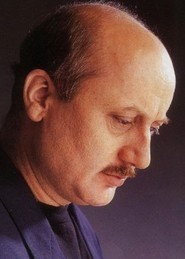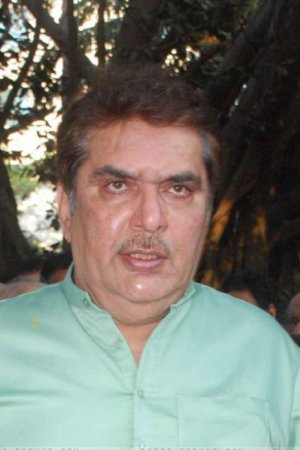
Raza Murad & Sonu Walia Movies Together List — 3 Films
Complete Movies List & Collaboration History
Last updated: 2026-07-14 · Data sources: Wikipedia, TMDB
Raza Murad and Sonu Walia appeared together in 3 Hindi films between 1990 and 1992. Their highest-rated collaboration was Haatim Tai (1990 — 5.4/10). Films span Haatim Tai (1990) through Dil Aashna Hai (1992).
The Raza Murad & Sonu Walia partnership
From Haatim Tai (1990) to Dil Aashna Hai (1992). The played out closed with Dil Aashna Hai in 1992. It started with Haatim Tai (1990).
The shape of the work
Raza Murad acted in every film; Sonu Walia acted in all of them. Strictly Hindi cinema — they never crossed industries together.
3 films across 1 decade
- Haatim Tai
- Jeevan Daata
The partnership in numbers
Partnership Pattern
3 films across 2 years represents consistent collaboration.
Language Distribution
Linguistic diversity: 1 language, with Hindi being their primary medium.
Where each was in their career
38% of Sonu Walia's screen credits are with Raza Murad. When they first worked together, Raza Murad had 35 films behind them; Sonu Walia had 3. After Dil Aashna Hai, Raza Murad kept going for 33 more films; Sonu Walia stepped back.
Before Haatim Tai, Raza Murad had starred in 35 films, including Prem Rog (1982) and Ek Duuje Ke Liye (1981).
After Dil Aashna Hai, Raza Murad went on to appear in 33 more films, including Jodhaa Akbar (2008) and Johnny (2003).
Before Haatim Tai, Sonu Walia had starred in 3 films, including Akarshan (1988) and Clerk (1989).
After Dil Aashna Hai, Sonu Walia went on to appear in 2 more films, including Sahibaan (1993) and Kasam (2001).
Collaboration Journey
A chronological view of Raza Murad & Sonu Walia's professional partnership
Actors and musicians who worked on most of their films
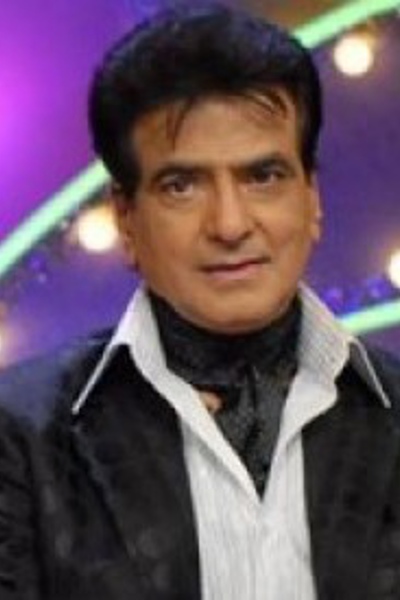
Jeetendra is the through-line — cast on 2 of their 3 films.
 2
2









Other iconic Hindi director-actor duos
Discover other partnerships with comparable filmographies and ratings