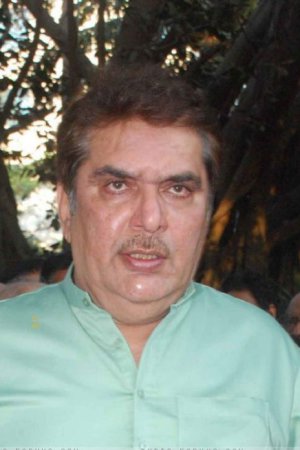
Raza Murad
Raza Murad is an Indian actor, best known for Tamil cinema. Raza Murad began their career in 1981 and has been a prominent figure in the industry for over 45 years. With over 90 credits to their name, Raza Murad remains one of the most prolific and celebrated talents in the industry. Raza Murad's influence on Tamil cinema is generational — their work continues to define the standard for the industry.
- Born
- Age
- 75
Career Milestones
Iconic Roles
Ram Lakhan
A powerful and corrupt businessman who is the main antagonist in the film.
Padmaavat
The Sultan of Delhi and predecessor to Alauddin Khilji, portrayed with regal authority.
Jodhaa Akbar
A nobleman and courtier in the Mughal court of Emperor Akbar.
Defining Moments
Film Debut
Made his acting debut in the Bollywood film 'Ganga Ki Saugandh'.
Breakthrough Antagonist Role
Portrayed the memorable villain 'Sir John' in the hit film 'Ram Lakhan', directed by Subhash Ghai.
Public Service Appointment
Appointed as the Sheriff of Mumbai, a ceremonial position of civic authority.
Raza Murad by the Numbers
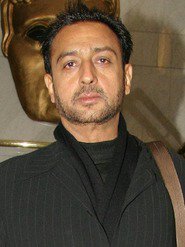
If you watched every Raza Murad film back-to-back, you'd be at it for roughly 8 days and 13h. Most-paired with Gulshan Grover — 10 films together.
Filmography
See all 90 credits →
Collaboration Network
The Constellation
Top 10 most-paired collaborators. Bubble size and line thickness reflect how many films they share with Raza Murad.
Career Analytics
Genre Breakdown
Language Distribution
Films by Decade
Top Co-Actors
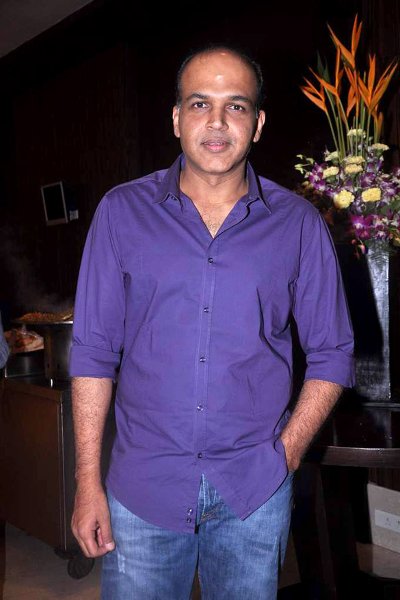
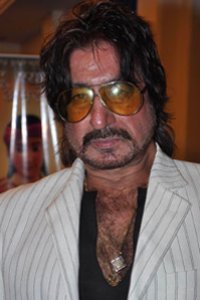
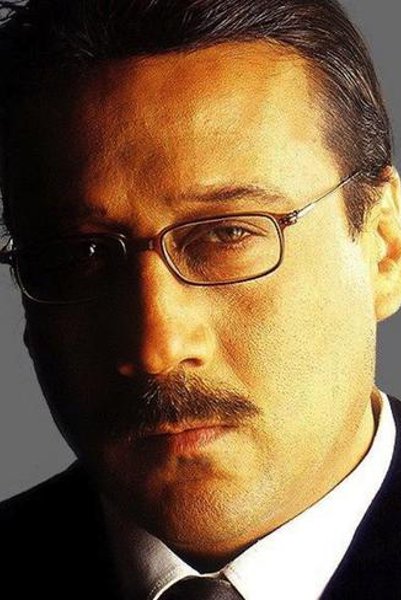
See all →Raza Murad has worked most frequently with Rajiv Rai (4 films), Ashok Gaikwad (3 films), Ashutosh Gowarikar (2 films), Kawal Sharma (2 films), and Deepak Bahry (2 films).

Did You Know?
Raza Murad is the son of veteran actor Murad, who was a prominent villain in Hindi cinema during the 1950s-1970s.
He is known for his deep, baritone voice and has often played authoritative roles like kings, ministers, police officers, and villains.
He made his film debut in the 1978 film 'Ganga Ki Saugandh' starring Amitabh Bachchan and Rekha.
He has acted in over 200 films in Hindi and other Indian languages.
He is a graduate from St. Xavier's College, Mumbai.
Legacy & Influence
Raza Murad, born on November 23, 1950, carved a distinctive niche in Indian cinema as one of its most recognizable and prolific character actors, particularly in the Hindi film industry. His career, spanning over four decades, is defined by a commanding screen presence and a deep, resonant voice that became his signature asset. Murad specialized in portraying authoritative figures—often villains, stern fathers, police officers, military officials, and historical nobles—bringing a gravitas and intensity that elevated numerous films. His early notable work includes the antagonistic role in 'Kaalia' (1981) and the memorable portrayal of the corrupt Sir John in the blockbuster 'Ram Lakhan' (1989), which cemented his reputation as a formidable on-screen adversary. Beyond mainstream cinema, his role in the pioneering television series 'Fauji' (1995), which also launched Shah Rukh Khan's career, showcased his versatility in a disciplined military role, resonating deeply with audiences. In the latter part of his career, Murad successfully transitioned into historical and epic dramas, most notably as Jalaluddin Khilji in Sanjay Leela Bhansali's 'Padmavati' (2018), where his performance added layers of political intrigue and familial conflict. His filmography, exceeding 200 films, demonstrates remarkable consistency across genres, from action and drama to comedy and period pieces. Murad's primary contribution lies in his mastery of supporting roles; he never sought the spotlight but became an indispensable pillar in the narrative framework of countless films, often providing the crucial antagonistic or authoritative counterpoint to the protagonist. His voice also lent itself to narration and dubbing, further extending his influence. While not frequently lauded with major acting awards, his enduring presence and professional reliability made him a respected and sought-after figure among filmmakers, contributing significantly to the texture and depth of Indian cinema from the 1980s through the 2010s.