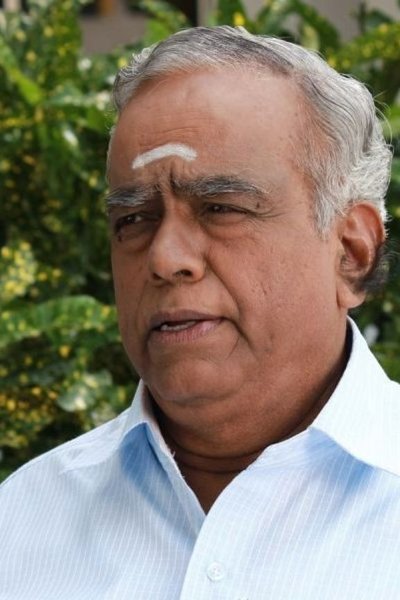
Vasu Vikram & Pyramid Natarajan Movies Together List — 3 Films
Complete Movies List & Collaboration History
Last updated: 2026-07-13 · Data sources: Wikipedia, TMDB
Vasu Vikram and Pyramid Natarajan appeared together in 3 Tamil films between 1997 and 2004. Their highest-rated collaboration was Villain (2002 — 5.9/10). Films span Pistha (1997) through Chatrapathy (2004).
The Vasu Vikram & Pyramid Natarajan partnership
From Pistha (1997) to Chatrapathy (2004). The played out closed with Chatrapathy in 2004. It started with Pistha (1997).
3 films across 2 decades
The 1990s accounted for 1 film, averaging 3.6/10.
The 2000s accounted for 2 films, averaging 5.9/10.
- Pistha
- Villain
- Chatrapathy0
The partnership in numbers
Partnership Pattern
3 films across 7 years represents consistent collaboration.
Language Distribution
Linguistic diversity: 1 language, with Tamil being their primary medium.
Where each was in their career
Before Pistha, Vasu Vikram had starred in 3 films, including Pass Mark (1993) and Government Mappillai (1992).
After Chatrapathy, Vasu Vikram went on to appear in 9 more films, including Dancer (2005) and Nellu (2010).
Before Pistha, Pyramid Natarajan had starred in 3 films, including Pasumpon (1995) and Enakkoru Magan Pirappan (1996).
After Chatrapathy, Pyramid Natarajan went on to appear in 7 more films, including Chidambarathil Oru Appasamy (2005) and Ullam Ketkumae (2005).



Collaboration Journey
A chronological view of Vasu Vikram & Pyramid Natarajan's professional partnership
Actors and musicians who worked on most of their films
S. A. Rajkumar is the through-line — music on 2 of their 3 films.























 2
2
Other iconic Tamil director-actor duos
Discover other partnerships with comparable filmographies and ratings