
Shakti Kapoor & Shubha Khote Movies Together List — 5 Films
Complete Movies List & Collaboration History
Last updated: 2026-07-14 · Data sources: Wikipedia, TMDB
Shakti Kapoor and Shubha Khote appeared together in 5 Hindi films between 1981 and 1986. Their highest-rated collaboration was Main Awara Hoon (1983 — 5.8/10). Films span Laparwah (1981) through Mazloom (1986).
The Shakti Kapoor & Shubha Khote partnership
Between 1981 and 1986, they barely worked apart — 5 films in 5 years. For 5 years, a Shakti–Shubha film arrived almost every year. From Laparwah (1981) to Mazloom (1986).
The spanned closed with Mazloom in 1986. It started with Laparwah (1981).
The shape of the work
Shakti Kapoor acted in every film; Shubha Khote acted in all of them. Strictly Hindi cinema — they never crossed industries together.
5 films across 1 decade
- Main Awara Hoon
- Laparwah
The partnership in numbers
Partnership Pattern
5 films across 5 years represents consistent collaboration.
Language Distribution
Linguistic diversity: 1 language, with Hindi being their primary medium.
Where each was in their career
After Mazloom, Shakti Kapoor kept going for 210 more films; Shubha Khote stepped back.
Before Laparwah, Shakti Kapoor had starred in 6 films, including Sargam (1979) and Qurbani (1980).
After Mazloom, Shakti Kapoor went on to appear in 210 more films, including Baaghi Sultana (1993) and Life Mein Time Nahi Hai Kisi Ko (2019).
Before Laparwah, Shubha Khote had starred in 4 films, including Gol Maal (1979) and Manokaamnaa (1980).
After Mazloom, Shubha Khote went on to appear in 10 more films, including Ek Ladka Ek Ladki (1992) and Kishen Kanhaiya (1990).
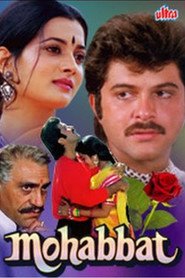
Collaboration Journey
A chronological view of Shakti Kapoor & Shubha Khote's professional partnership
Actors and musicians who worked on most of their films
People who worked on Shakti Kapoor & Shubha Khote's films together
 22
22 2
2








Other iconic Hindi director-actor duos
Discover other partnerships with comparable filmographies and ratings
 Himesh Reshammiya
 Shahid Kapoor
 Shakti KapoorAnil Kapoor
 Shahrukh Khan
 Anushka Sharma
 Ashok Kumar
 Pran
Pran Sonali Bendre
 Dalip Tahil