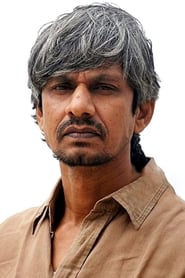
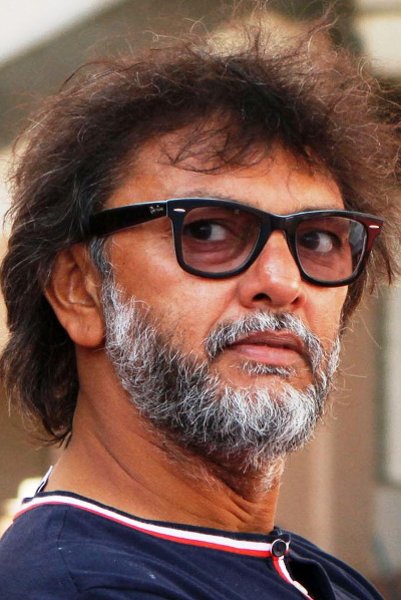
Vijay Raaz & Rakeysh Omprakash Mehra Movies Together List — 2 Films
Complete Movies List & Collaboration History
Last updated: 2026-07-13 · Data sources: Wikipedia, TMDB
Vijay Raaz and Rakeysh Omprakash Mehra appeared together in 2 Hindi films between 2009 and 2021. Their highest-rated collaboration was Delhi-6 (2009 — 6.3/10). Films span Delhi-6 (2009) through Toofaan (2021).
The Vijay Raaz & Rakeysh Omprakash Mehra partnership
After 12 years apart, they came back together for Toofaan (2021). They didn't share a set between 2009 and 2021. From Delhi-6 (2009) to Toofaan (2021).
It started with Delhi-6 (2009).
The shape of the work
The 2000s belonged to Delhi-6; the 2020s to Toofaan. Vijay Raaz acted in every film; Rakeysh Omprakash Mehra directed all of them.
2 films across 2 decades
The 2000s accounted for 1 film, averaging 6.3/10.
The 2020s accounted for 1 film, averaging 6.0/10.
- Delhi-6
- Toofaan
The partnership in numbers
Partnership Pattern
2 films across 12 years represents consistent collaboration.
Language Distribution
Linguistic diversity: 1 language, with Hindi being their primary medium.
Where each was in their career
After Toofaan, Vijay Raaz kept going for 21 more films; Rakeysh Omprakash Mehra stepped back.
Before Delhi-6, Vijay Raaz had starred in 19 films, including Dhamaal (2007) and Welcome (2007).
After Toofaan, Vijay Raaz went on to appear in 21 more films, including Chandu Champion (2024) and Gangubai Kathiawadi (2022).
Before Delhi-6, Rakeysh Omprakash Mehra had directed 2 films, including Rang De Basanti (2006) and Aks (2001).

Collaboration Journey
A chronological view of Vijay Raaz & Rakeysh Omprakash Mehra's professional partnership
Actors and musicians who worked on most of their films
Supriya Pathak is the through-line — cast on 2 of their 2 films.
 2
2






Other iconic Hindi director-actor duos
Discover other partnerships with comparable filmographies and ratings
 Rakul Preet SinghRakul Preet Singh
 Santosh Sivan
 Preity ZintaRakul Preet Singh
 Jacqueline Fernandez
 Tamannaah BhatiaRakul Preet Singh