
Vidya Balan & Vidhu Vinod Chopra Movies Together List — 3 Films
Complete Movies List & Collaboration History
Last updated: 2026-07-19 · Data sources: Wikipedia, TMDB
Vidya Balan and Vidhu Vinod Chopra appeared together in 3 Hindi films between 2005 and 2007. Their highest-rated collaboration was Lage Raho Munna Bhai (2006 — 7.9/10). Films span Parineeta (2005) through Eklavya: The Royal Guard (2007).
The Vidya Balan & Vidhu Vinod Chopra partnership
From Parineeta (2005) to Eklavya: The Royal Guard (2007). Lage Raho Munna Bhai is the one most viewers reach for. It started with Parineeta (2005).
The shape of the work
Never on the same side of the camera — Vidya Balan actor, Vidhu Vinod Chopra screenplay, across all 3 films. Strictly Hindi cinema — they never crossed industries together.
3 films across 1 decade
- Lage Raho Munna Bhai
- Parineeta
The partnership in numbers
Partnership Pattern
3 films across 2 years represents consistent collaboration.
Language Distribution
Linguistic diversity: 1 language, with Hindi being their primary medium.
Where each was in their career
After Eklavya: The Royal Guard, Vidya Balan kept going for 24 more films; Vidhu Vinod Chopra stepped back.
Parineeta was Vidya Balan's acting debut.
After Eklavya: The Royal Guard, Vidya Balan went on to appear in 24 more films, including Kahaani (2012) and Nerkonda Paarvai (2019).
Before Parineeta, Vidhu Vinod Chopra had starred in 6 films, including Mission Kashmir (2000) and 1942: A Love Story (1994).
After Eklavya: The Royal Guard, Vidhu Vinod Chopra went on to appear in 5 more films, including 12th Fail (2023) and Ferrari Ki Sawaari (2012).
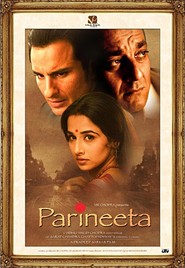


Collaboration Journey
A chronological view of Vidya Balan & Vidhu Vinod Chopra's professional partnership
Actors and musicians who worked on most of their films
Sanjay Dutt is the through-line — cast on 3 of their 3 films. Sanjay Dutt appears alongside them in 3 films — practically a third lead.
 3
3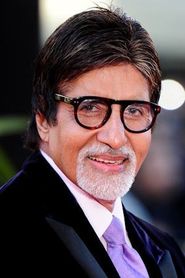 2
2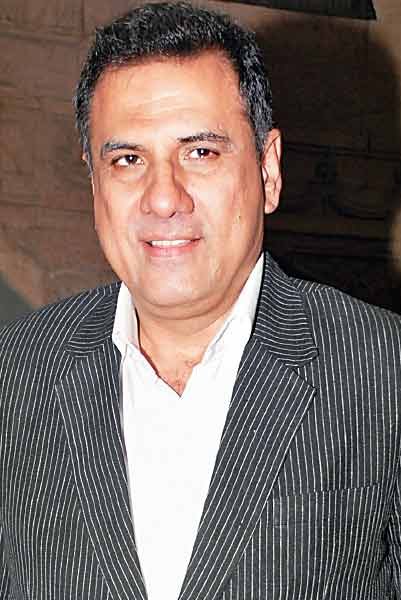 2
2 2
2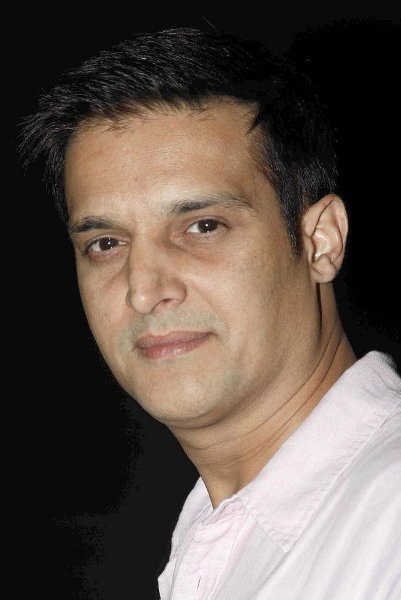 2
2 2
2 22
22


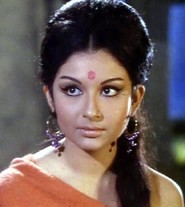
Other iconic Hindi director-actor duos
Discover other partnerships with comparable filmographies and ratings
 Vidya BalanSanjay Dutt
 A. R. Murugadoss
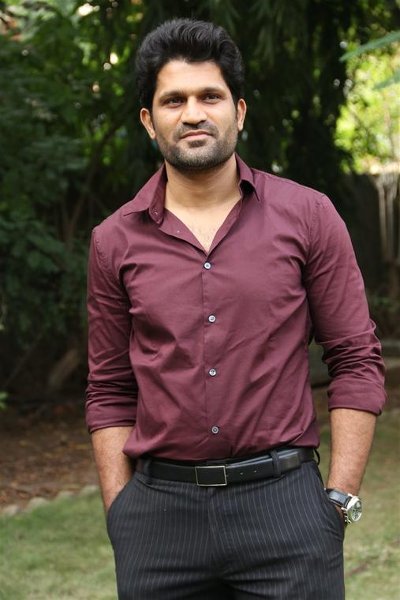 AnthonyRekha
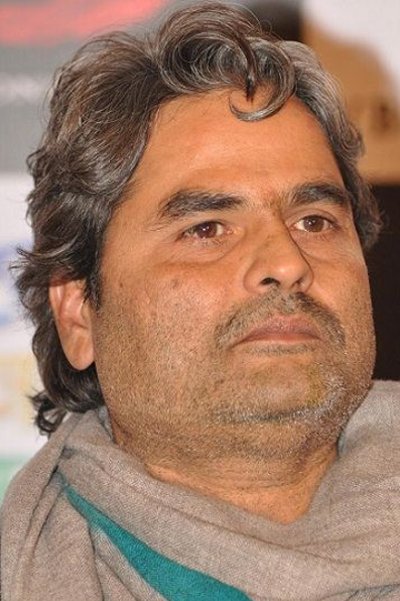 Vishal Bharadwaj
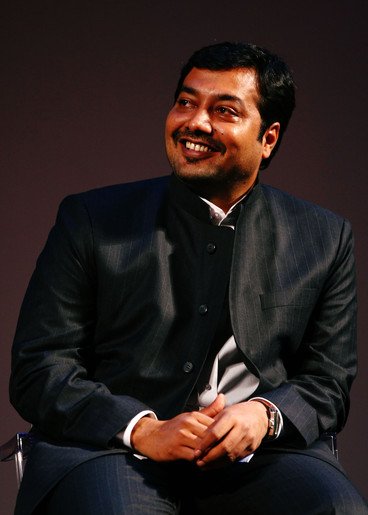 Anurag Kashyap
 Richa Chadda
 Ashutosh Gowarikar